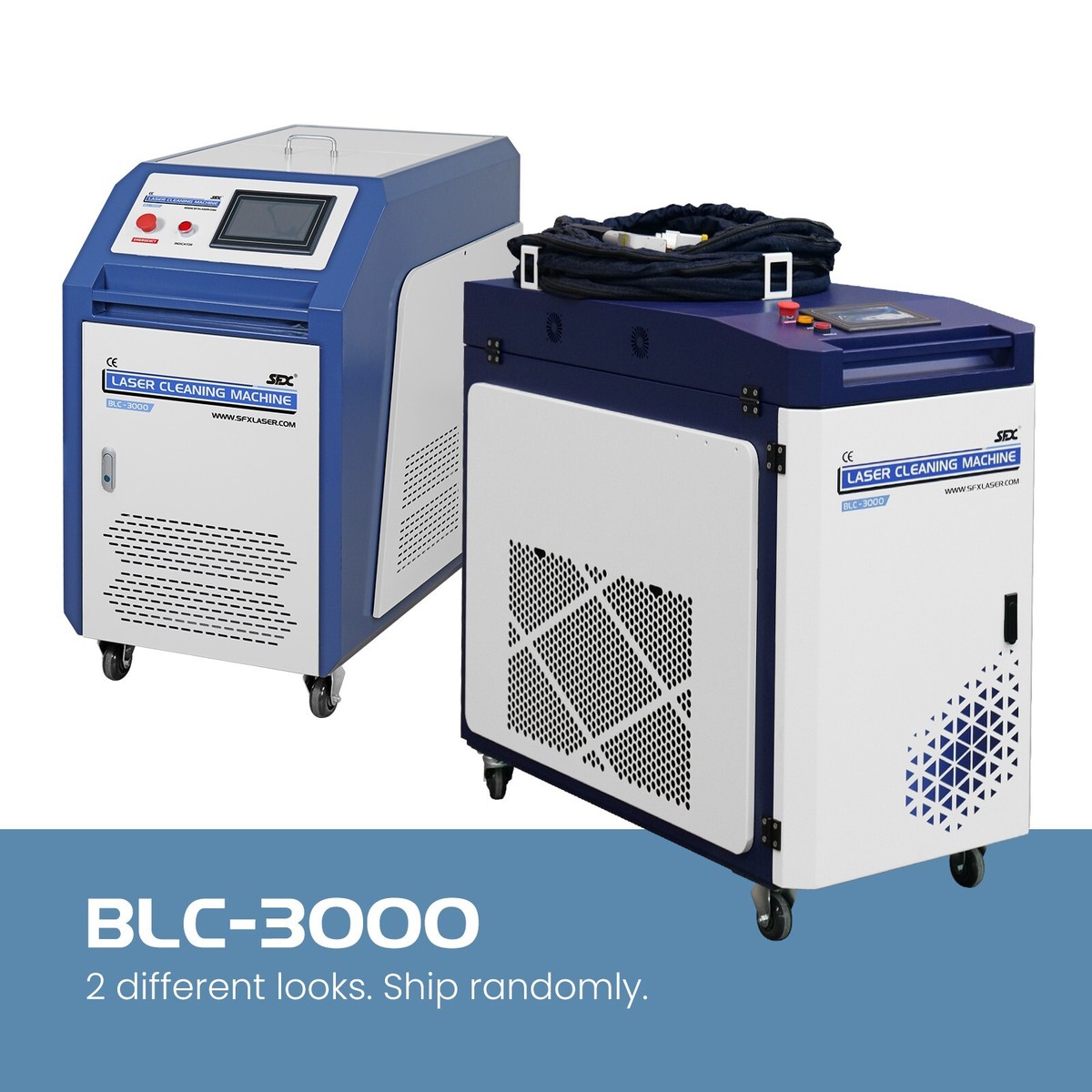
Handheld Laser Cleaning Machines for Rust Removal
Rust can weaken metal, interfere with coatings, and make parts look worn or neglected. A handheld laser cleaning machine offers a modern way to remove rust from many metal surfaces. Instead of scrubbing with abrasives or applying chemical cleaners, the machine directs controlled laser energy at the affected area to loosen or remove surface contamination.
Laser cleaning can be useful in workshops, maintenance facilities, manufacturing, restoration, and other settings where rust must be removed with care. However, the right equipment and safe operating practices matter. Results depend on the rust, the base material, the machine’s design, and the operator’s experience.
How Laser Rust Removal Works
A laser cleaning system sends concentrated light onto a surface. Rust and other contaminants absorb the energy differently than the underlying metal. As the surface layer heats and breaks away, it can be removed from the workpiece. The exact process varies by machine and material, so operators should follow the equipment manufacturer’s instructions and test settings on a suitable sample when appropriate.
Handheld systems typically include a laser source, a cleaning head, controls, and safety features. Some machines use pulsed lasers, while others use continuous-wave lasers. Each type has different characteristics, and neither is automatically the right choice for every job. Selection should be based on the material, the type and thickness of contamination, the required finish, and the manufacturer’s guidance.
Potential Benefits
- Targeted cleaning: The operator can direct the cleaning head at specific areas, which may be useful for parts with complex shapes or localized rust.
- Reduced contact with the surface: Laser cleaning does not rely on a grinding wheel or abrasive blasting media, helping avoid mechanical contact during the cleaning process.
- No chemical rust remover required: The process can reduce dependence on some chemical treatments, although it does not eliminate the need for proper waste and fume controls.
- Adjustable process: Depending on the machine, settings may be adjusted for different cleaning tasks. Changes should only be made within the manufacturer’s approved operating limits.
- Less secondary media: Unlike abrasive blasting, laser cleaning does not consume blasting media. Rust, coatings, and other removed material still need to be collected and handled properly.
Where Handheld Laser Cleaning May Be Used
Laser cleaning machines may be used to remove rust or surface contamination from items such as steel components, tools, machinery, fabricated parts, and certain restoration pieces. They may also be used for other cleaning tasks, including removing some paint, oxide layers, or production residues. Compatibility varies, so a machine suitable for one material or coating may not be suitable for another.
For delicate, historic, thin, plated, or heat-sensitive parts, take particular care. Excessive or unsuitable laser exposure can discolor, roughen, heat, or otherwise damage a surface. A qualified operator should assess the workpiece and confirm that laser cleaning is appropriate before proceeding.
What to Consider When Choosing a Machine
- Cleaning requirements: Identify the metal, the type of rust, the size of the area, and the finish required.
- Laser type and output: Compare the manufacturer’s specifications and confirm that the system is designed for the intended application.
- Handheld design: Consider the cleaning head’s weight, cable management, controls, and suitability for the work environment.
- Safety features: Review the machine’s interlocks, emergency stop, warning indicators, and required protective equipment.
- Fume and debris management: Ask whether the process requires local exhaust ventilation, filtration, or additional containment for the material being removed.
- Training and support: Look for clear operating instructions, training options, technical support, and access to service.
Laser Safety and Workplace Precautions
Industrial cleaning lasers can cause serious eye and skin injuries. Reflected laser light can also be hazardous, particularly around shiny or reflective materials. Use the system only in a controlled work area and follow the manufacturer’s safety requirements and applicable workplace regulations.
- Use laser safety eyewear specified for the machine’s wavelength and operating conditions. Ordinary safety glasses are not a substitute.
- Restrict access to the work area and post appropriate laser warning signs.
- Use required guards, barriers, interlocks, and beam stops. Never point the cleaning head at people or animals.
- Assess reflected-beam risks, especially when working near polished or reflective surfaces.
- Provide suitable ventilation or fume extraction. Removing rust, paint, or coatings can release airborne particles or hazardous fumes.
- Keep combustible materials away from the work area and follow fire-prevention procedures.
- Ensure operators are trained and familiar with the machine’s manual, emergency procedures, and maintenance requirements.
Is Laser Cleaning Right for Rust Removal?
A handheld laser cleaning machine can be an effective option for some rust-removal tasks, particularly when precise, controlled cleaning is important and abrasive or chemical methods are undesirable. It is not a universal replacement for other techniques. Large-scale corrosion, deeply pitted metal, thick coatings, and sensitive surfaces may require a different process or professional evaluation.
Before purchasing or using a system, describe the work to a qualified supplier and ask for application guidance, safety documentation, and—when available—a demonstration on representative material. Choosing equipment based on the actual job, and operating it with proper controls, helps achieve consistent results while protecting workers and the workpiece.
Essential Safety Tips for Using Handheld Laser Cleaners for Rust Removal
- Wear laser-rated eyewear matched to the machine’s wavelength.
- Keep people and pets outside the controlled work area.
- Never aim the beam at skin, eyes, or reflective surfaces.
- Use fume extraction to remove rust and coating particles.
- Start with a low-power setting and test a small area.
- Follow the manufacturer’s instructions and keep a fire extinguisher nearby.
Wear laser-rated eyewear matched to the machine’s wavelength.
Always wear laser-rated eyewear specifically matched to your handheld cleaning machine’s wavelength and optical power. Ordinary safety glasses or eyewear made for a different laser may not provide adequate protection. Check the manufacturer’s specifications, make sure the eyewear is in good condition, and require everyone in the controlled work area to use the appropriate protection before operating the machine.
Keep people and pets outside the controlled work area.
Keep people and pets outside the controlled work area whenever a handheld laser cleaning machine is operating. Restrict access with appropriate barriers and warning signs, and allow only trained, authorized operators wearing the required protective equipment into the area. This helps reduce the risk of accidental exposure to hazardous laser beams or reflections, as well as fumes and debris produced during rust removal.
Never aim the beam at skin, eyes, or reflective surfaces.
Never aim a handheld laser cleaning machine at skin, eyes, or reflective surfaces. Direct or reflected laser energy can cause severe eye injuries and skin burns, even when the beam is difficult to see. Keep the cleaning head pointed only at the workpiece, secure the area to prevent bystanders from entering, and use the laser safety eyewear and protective measures specified by the manufacturer.
Use fume extraction to remove rust and coating particles.
Use fume extraction when operating a handheld laser cleaning machine to capture airborne rust, paint, and coating particles released during cleaning. Choose an extraction system suited to the materials being removed, position it close to the work area, and maintain or replace filters according to the manufacturer’s instructions. Proper ventilation helps keep contaminants out of the breathing zone and supports a cleaner, safer workspace.
Start with a low-power setting and test a small area.
Start with a low-power setting and test the handheld laser cleaning machine on a small, inconspicuous area before treating the entire surface. This helps you check how the metal responds and adjust the settings gradually without risking unnecessary discoloration, pitting, or heat damage. Follow the machine manufacturer’s instructions, use the specified laser safety eyewear, and make any adjustments only within the recommended operating range.
Follow the manufacturer’s instructions and keep a fire extinguisher nearby.
Always follow the manufacturer’s instructions when using a handheld laser cleaning machine, including guidance on setup, operating settings, protective equipment, and maintenance. Laser cleaning can generate heat and sparks, so keep a suitable, accessible fire extinguisher nearby and clear combustible materials from the work area. Make sure operators know how to respond to an emergency before starting the job.
No Responses