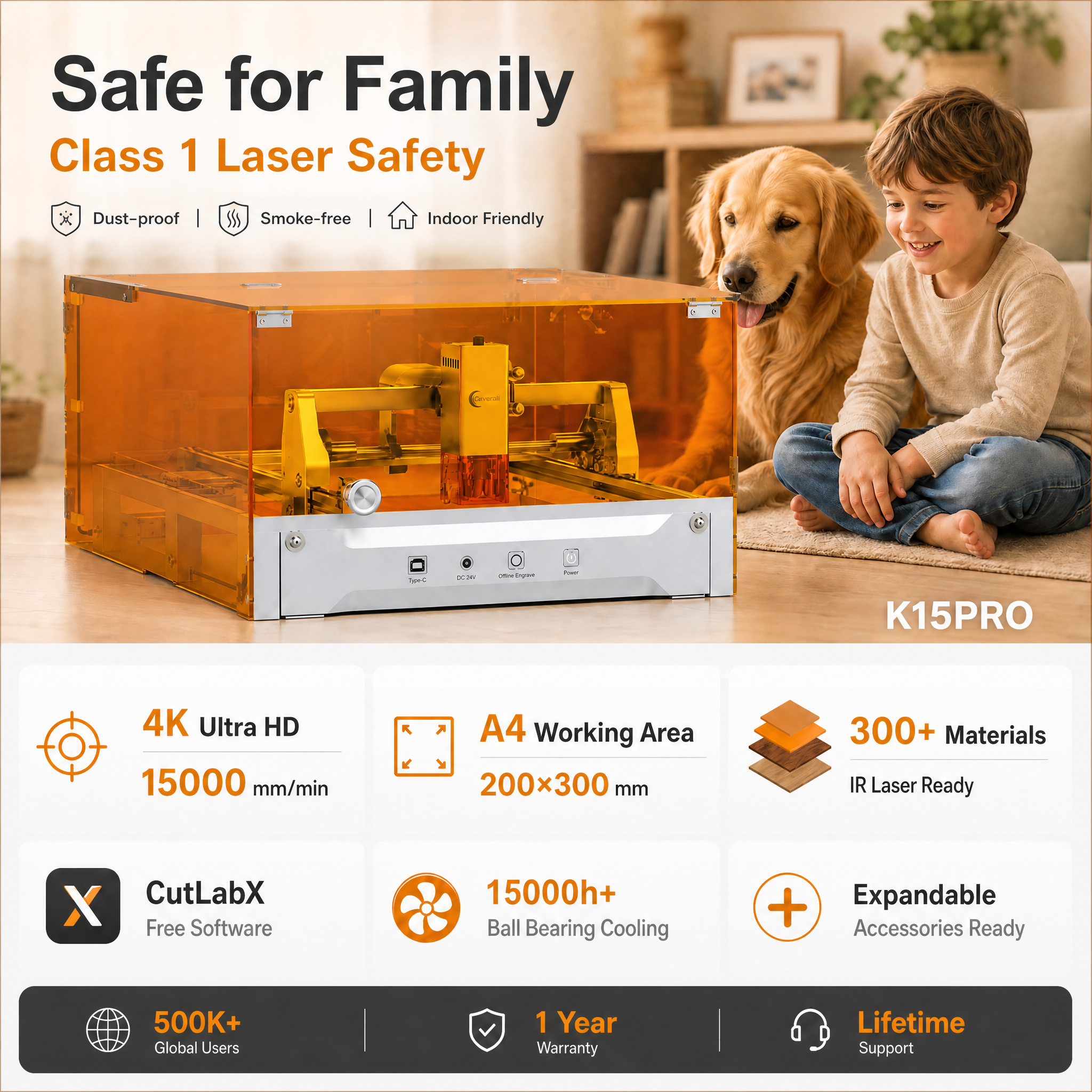
Choosing a Home Engraving Machine: A Practical Guide
A home engraving machine can turn creative ideas into personalized gifts, custom décor, labels, and small-batch products. Whether you’re a hobbyist, maker, or small-business owner, the right machine can help you add names, designs, and details to a variety of materials from a home workshop.
Before choosing a machine, consider what you want to make, which materials you plan to engrave, and how much space and time you can devote to setup and maintenance. Understanding these basics makes it easier to find a machine that fits both your projects and your workspace.
What Is a Home Engraving Machine?
A home engraving machine uses a tool or energy source to mark a design on a material’s surface. Laser engravers use a focused beam of light, while mechanical engravers use a physical cutting bit. Some machines can also cut through thin materials, depending on their design and capabilities.
Laser machines are popular for home use because they can create detailed designs without a cutting bit touching the workpiece. Mechanical engravers may be better suited to certain applications that require deeper, tactile marks. The best choice depends on the materials and results you have in mind.
Popular Projects for Home Engraving
A home engraving machine can be used for a wide range of projects, including:
- Personalized gifts, such as photo frames, ornaments, and keepsakes
- Custom signs, nameplates, and home décor
- Labels for storage containers, tools, or craft supplies
- Engraved designs on wood, coated metal, leather, or acrylic approved for the machine
- Small business products, packaging, and promotional items
Materials vary in how they respond to engraving. A design that looks crisp on wood may appear different on glass, leather, or coated metal. Testing a small sample before starting a finished project can help you find the right settings and avoid wasting material.
What to Consider Before You Buy
Material compatibility
Check the manufacturer’s material guidelines before selecting a machine. Different machines are designed for different materials, and some require accessories or specialized settings. Never assume that a material is safe to engrave simply because it fits under the machine.
Work area and machine size
Consider the size of the items you plan to engrave and the available space in your home. The machine needs a stable surface and enough clearance for loading materials, ventilation equipment, and routine maintenance.
Ease of use
Software, setup, and calibration can have a big impact on the overall experience. If you’re new to engraving, look for clear instructions, accessible design tools, and reliable customer support. A straightforward workflow can make it easier to move from a digital design to a finished item.
Ventilation and workspace requirements
Engraving can produce smoke, fumes, dust, or odors depending on the process and material. Use the ventilation or filtration system recommended by the machine’s manufacturer, and operate the equipment in an appropriate workspace. A home engraving machine should not be treated like an ordinary desktop printer.
Ongoing costs
In addition to the machine itself, budget for materials, protective equipment, maintenance, and any required accessories. Some machines may also need replacement parts or software subscriptions. Reviewing the full cost of ownership can help you choose a suitable option.
Home Engraving Safety
Safety should be part of every engraving project. Follow the manufacturer’s operating instructions, use the recommended protective equipment, and supervise the machine while it is running. Keep the work area clear, and make sure the equipment is installed and ventilated as directed.
Use only materials that the manufacturer identifies as compatible. Some plastics and treated materials can release hazardous fumes when heated or engraved. In particular, do not engrave PVC or vinyl with a laser. If you are unsure what a material contains, do not process it until you have confirmed that it is safe.
Tips for Better Results
- Secure the workpiece so it cannot shift during engraving.
- Use a small test piece to check the design and settings.
- Prepare artwork at the correct size and resolution for your project.
- Keep lenses, rails, and other components clean according to the manual.
- Allow the machine to complete its cycle before removing the material.
- Record settings that work well for materials you use regularly.
Is a Home Engraving Machine Right for You?
A home engraving machine can be a rewarding tool for creative projects and small-scale production. It offers a way to personalize everyday items, experiment with designs, and create products that feel distinctive. The right machine is one that suits your materials, workspace, budget, and experience level—not necessarily the one with the most features.
Start by defining a few projects you’d like to make, then compare machines based on material compatibility, work area, ease of use, ventilation needs, and support. With careful planning and safe operating practices, home engraving can open up a wide range of possibilities for makers and small businesses alike.
9 Benefits of Owning a Home Engraving Machine: Personalize, Create, and Innovate
- Personalizes gifts and keepsakes
- Creates custom home décor
- Supports creative DIY projects
- Works with various compatible materials
- Helps make small-batch products
- Offers precise, detailed designs
- Makes labels and signs at home
- Can save time on repeat designs
- Fits a range of skill levels
Considerations Before Buying a Home Engraving Machine: Cost, Safety, and Material Limitations
- Can be expensive to buy and maintain.
- Requires proper ventilation and safety precautions.
- May not work with every material.
Personalizes gifts and keepsakes
A home engraving machine makes it easy to turn ordinary gifts into meaningful keepsakes. Add a name, date, short message, or custom design to items such as wooden ornaments, photo frames, and other compatible materials. These personal touches make gifts feel more thoughtful and memorable, whether you’re celebrating a birthday, wedding, anniversary, or another special occasion.
Creates custom home décor
A home engraving machine makes it easy to create custom décor that reflects your personal style. Add names, quotes, patterns, or original artwork to materials such as wood, acrylic, and approved metals to make one-of-a-kind signs, wall art, coasters, and decorative gifts. With the flexibility to update designs whenever inspiration strikes, you can create pieces that complement your home or make thoughtful, personalized presents.
Supports creative DIY projects
A home engraving machine opens up countless possibilities for creative DIY projects. Customize wooden signs, make personalized gifts, decorate keepsakes, or add original designs to compatible materials—all from your own workspace. By turning digital artwork or hand-drawn ideas into detailed engravings, it helps makers bring personal, one-of-a-kind creations to life.
Works with various compatible materials
A home engraving machine can work with a variety of compatible materials, making it useful for many creative projects. Depending on the machine, you may be able to engrave materials such as wood, leather, coated metal, or approved acrylic. This versatility makes it easier to personalize gifts, create custom décor, and produce labels or small-batch items—all with one machine. Always check the manufacturer’s material guidelines before engraving.
Helps make small-batch products
A home engraving machine makes it easier to create small batches of customized products without relying on a large production run. You can personalize items with names, logos, or unique designs, then produce only the quantity you need. This flexibility is useful for testing new product ideas, fulfilling special orders, and making limited-edition gifts or merchandise while keeping production close at hand.
Offers precise, detailed designs
A home engraving machine can produce precise, detailed designs that are difficult to create by hand. It can reproduce fine lines, small text, intricate patterns, and custom artwork with consistent results across multiple items. This level of accuracy makes it a great choice for personalizing gifts, creating polished décor, or adding professional-looking details to handmade products.
Makes labels and signs at home
A home engraving machine makes it easy to create custom labels and signs whenever you need them. Personalize storage bins, jars, tools, mailboxes, or home décor with names, instructions, logos, or decorative designs. Making them at home lets you choose the size, material, and style, while quickly producing matching labels or one-of-a-kind signs for your space.
Can save time on repeat designs
A home engraving machine can save time when you need to create the same design more than once. After preparing and saving a design, you can reuse it for multiple items without recreating the artwork each time. This makes repeat projects—such as personalized gifts, product labels, or small-batch orders—more consistent and efficient.
Fits a range of skill levels
A home engraving machine can suit a wide range of skill levels, from beginners making simple labels and personalized gifts to experienced makers creating detailed designs and small-batch products. Many machines include user-friendly software, templates, and preset settings that help new users get started, while adjustable controls give more advanced users room to fine-tune their work. With practice, you can build your skills and take on increasingly complex projects at your own pace.
Can be expensive to buy and maintain.
One drawback of a home engraving machine is its cost. The initial purchase can be expensive, especially for models with larger work areas or advanced features. Ongoing expenses—such as materials, accessories, ventilation or filtration, replacement parts, and maintenance—can add up over time. Before buying, consider the full cost of ownership and whether the machine’s capabilities fit your budget and expected use.
Requires proper ventilation and safety precautions.
A home engraving machine requires a properly ventilated workspace and careful safety practices. Engraving can produce smoke, fumes, dust, or odors, depending on the machine and material, so it’s important to use the manufacturer-recommended ventilation or filtration system and only engrave materials approved for your machine. Operators may also need protective equipment and should never leave the machine unattended while it’s running. These added precautions can make setup more involved and limit where the machine can be used at home.
May not work with every material.
One drawback of a home engraving machine is that it may not work with every material. Each machine has specific capabilities, and materials can react differently to laser energy or mechanical engraving. Some may produce poor results, while others can damage the machine or release hazardous fumes. Check the manufacturer’s compatibility and safety guidelines before engraving, and test approved materials on a small sample when possible.
No Responses