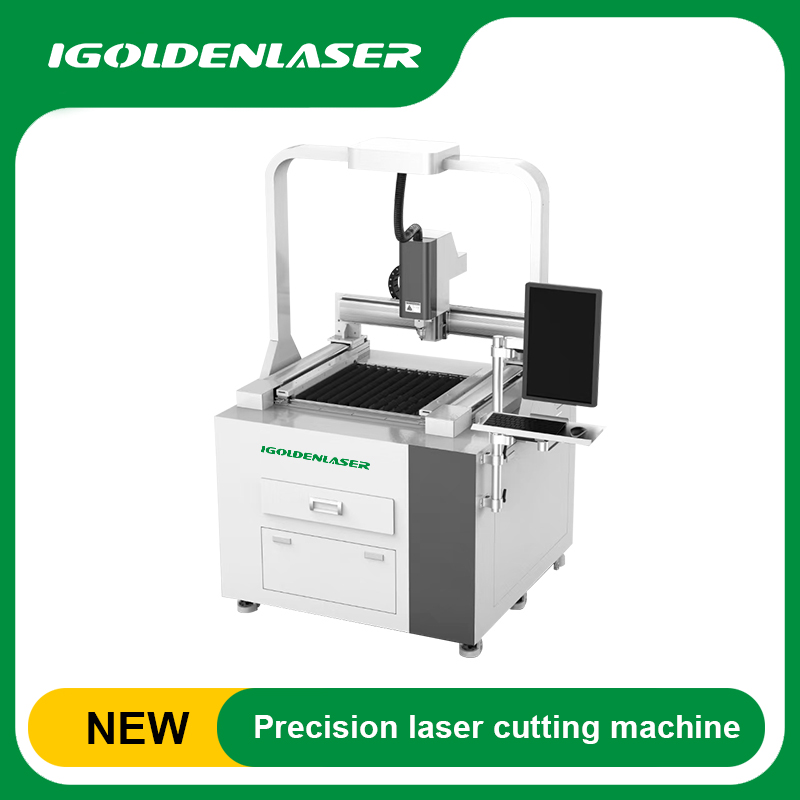
Small Laser Metal Cutting Machines: A Practical Guide
A small laser metal cutting machine brings precision cutting capabilities to workshops, studios, schools, and small manufacturing businesses. Designed to take up less space than many industrial systems, these machines can cut intricate shapes and repeatable parts from compatible metal sheets. The right machine can help users produce prototypes, custom components, signs, brackets, and decorative pieces without outsourcing every job.
What Is a Small Laser Metal Cutting Machine?
A small laser metal cutting machine uses a focused beam of light to heat and cut metal along a programmed path. Most machines intended for cutting metal use a fiber laser, a technology well suited to processing materials such as stainless steel and carbon steel. Depending on the machine’s configuration and the material, it may also be able to process metals such as aluminum, brass, or copper.
“Small” can refer to a compact footprint, a limited work area, or a machine intended for lower production volumes. It does not necessarily mean that the equipment is lightweight, inexpensive, or suitable for every type and thickness of metal. Before choosing a model, check its specifications and confirm that they match the materials and jobs you have in mind.
How the Cutting Process Works
The operator prepares a design using compatible computer-aided design (CAD) software and sends it to the machine’s control system. The machine moves the laser head along the programmed path, focusing energy on the material. Assist gas may be used to help clear molten material from the cut and influence the edge quality. The exact process depends on the machine, material, thickness, and cutting settings.
Successful cutting requires more than laser power alone. Factors such as beam quality, cutting speed, focus position, assist-gas pressure, material condition, and software settings can all affect the result.
Benefits of a Compact Metal Cutting System
- Detailed cutting: A focused beam can produce intricate outlines and small features when the machine and material are properly set up.
- Repeatable production: Digital files make it easier to reproduce parts consistently across multiple runs.
- Efficient use of material: Careful nesting of parts on a sheet can reduce offcuts and help make better use of stock.
- Flexible workflow: A single machine can support prototyping, customization, and short production runs.
- Smaller workspace requirements: Compact models may fit in shops where a large industrial cutting system is impractical.
Results vary by system and application. A compact machine may not offer the cutting area, speed, automation, or maximum material capacity of a full-size industrial model.
Common Applications
Small laser metal cutting machines are used for a wide range of work, including:
- Prototypes and product-development parts
- Custom brackets, panels, and enclosures
- Metal signs, lettering, and decorative designs
- Small-batch components for repair or fabrication work
- Educational demonstrations and maker projects
- Personalized products and craft items
Always confirm that the machine is rated for the metal and thickness required for a particular job. Some reflective or highly conductive metals can be more challenging to process, and not every machine is configured for them.
What to Consider Before Buying
Work area
Choose a cutting bed that accommodates the sheet sizes and part layouts you expect to use. Consider how material will be loaded and unloaded, as well as the space needed around the machine for safe operation and maintenance.
Laser source and power
Laser power influences cutting capability, but it should not be the only comparison point. Ask the supplier for material-specific cutting guidance, including recommended thickness ranges, expected speeds, and any limitations. Do not assume that a higher power rating automatically guarantees a better result for every application.
Software and file compatibility
Check which design-file formats and control software the machine supports. A practical workflow should make it straightforward to import designs, set cutting parameters, arrange parts, and manage jobs.
Electrical, ventilation, and gas requirements
Review the machine’s power requirements and installation instructions before purchase. Metal cutting can produce fumes and particulates, so appropriate extraction and ventilation are essential. Some cutting processes also require assist gas and related equipment. Follow the manufacturer’s guidance and local safety requirements.
Support and service
Ask about installation, training, warranty coverage, replacement parts, technical support, and service availability. Reliable support can be particularly important for businesses that depend on the machine for scheduled production.
Safety and Maintenance
Laser metal cutting equipment can present serious hazards, including laser exposure, fire, hot material, fumes, and electrical risks. Operate the machine only as directed by its manufacturer. Use the required enclosure, interlocks, extraction system, and personal protective equipment. Keep suitable fire-safety equipment nearby, and never leave an active cutting job unattended unless the manufacturer’s instructions explicitly allow it.
Routine maintenance may include cleaning optical components as directed, checking the cutting head and nozzle, inspecting gas connections, removing debris, and keeping the work area clear. Maintenance intervals and procedures vary by machine, so use the manufacturer’s documentation rather than relying on a generic checklist.
Is a Small Laser Metal Cutting Machine Right for You?
A compact system may be a good fit if you need accurate metal parts, flexible design changes, or short-run production and have a suitable workspace. It may be less appropriate if you regularly process large sheets, thick material, or high production volumes. Compare the machine’s real cutting capabilities with your most common jobs, and account for the total setup—not just the equipment price. Installation, ventilation, assist gas, software, training, and ongoing service may all affect the overall investment.
Frequently Asked Questions
Which metals can a small laser cutter process?
Capabilities depend on the laser source, machine configuration, and material. Many fiber laser systems are designed for metals such as stainless steel and carbon steel, while processing aluminum, brass, copper, or other materials may require specific machine capabilities and settings. Confirm compatibility with the manufacturer.
Can one machine cut and engrave metal?
Some systems can perform both cutting and marking or engraving, but these are different operations and may require different settings or equipment. Check the product specifications to see which functions are supported.
Does a compact machine need special ventilation?
Yes. Cutting metal can generate fumes and airborne particles. Use an appropriate extraction and ventilation setup designed for the machine and materials being processed, and follow applicable safety regulations.
Find the Right Fit
The best small laser metal cutting machine is one that matches your materials, part sizes, production volume, workspace, and safety requirements. Carefully review the manufacturer’s specifications, request application-specific guidance, and plan for installation and support before making a decision. With the right setup and responsible operation, a compact laser system can become a valuable tool for precise, flexible metal fabrication.
Essential FAQs About Small Laser Metal Cutting Machines: Everything You Need to Know
- What is a small laser metal cutting machine, and how does it work?
- Which metals can a small laser cutting machine cut?
- How thick of metal can a small laser cutter cut?
- How much does a small laser metal cutting machine cost?
- What laser power do I need for cutting metal?
- Can a small laser cutter cut and engrave metal?
- What safety equipment and ventilation does a small metal laser cutter require?
- How do I maintain a small laser metal cutting machine?
What is a small laser metal cutting machine, and how does it work?
A small laser metal cutting machine is a compact system that uses a focused laser beam to cut shapes and parts from compatible metal sheets. The operator creates or imports a digital design, and the machine’s control system guides the laser head along the programmed path. The beam heats the metal, while assist gas may help clear molten material from the cut. Cutting performance depends on factors such as the laser source, material type and thickness, machine settings, and assist gas. Because cutting can produce fumes, heat, and other hazards, the machine must be operated with the manufacturer-recommended enclosure, ventilation, and safety procedures.
Which metals can a small laser cutting machine cut?
A small laser cutting machine can typically cut metals such as mild steel and stainless steel, while some fiber laser models can also process aluminum, brass, and copper. The exact materials and thicknesses depend on the laser type, power, and machine configuration; reflective metals may require equipment specifically designed to handle them. Check the manufacturer’s specifications before cutting a particular material.
How thick of metal can a small laser cutter cut?
The thickness a small laser metal cutting machine can handle depends on its laser power, the type of metal, and the machine’s configuration. Many compact fiber laser systems are used for thin sheet metal, while some higher-powered models can cut thicker stock. Metals such as stainless steel, mild steel, aluminum, and copper can have different cutting limits, so there is no single maximum thickness that applies to every machine. Check the manufacturer’s specifications for the exact material and thickness you plan to cut, and remember that cutting speed and edge quality may change as material gets thicker.
How much does a small laser metal cutting machine cost?
The cost of a small laser metal cutting machine varies widely depending on its laser power, cutting area, features, and level of automation. Entry-level systems may cost several thousand dollars, while higher-powered or more fully equipped machines can cost tens of thousands of dollars or more. Remember to budget for additional expenses such as installation, ventilation, assist gas, software, training, and maintenance. Compare machines based on the materials and thicknesses they can cut—not just the purchase price—and request a detailed quote from the manufacturer or supplier.
What laser power do I need for cutting metal?
The laser power you need depends on the metal type and thickness, how quickly you want to cut, and the edge quality you expect. A lower-power machine may suit thin sheet metal and occasional work, while thicker material or faster production generally requires more power. Cutting performance also depends on the laser source, optics, assist gas, and machine settings—not just the wattage. Check the manufacturer’s cutting chart for your specific material and thickness, and choose a machine with capacity that fits your regular jobs rather than relying on maximum ratings alone.
Can a small laser cutter cut and engrave metal?
Yes, some small laser machines can both cut and engrave metal, but the capabilities depend on the laser type, power, and configuration. Cutting uses enough energy to pass through the material, while engraving or marking alters the surface and may require different settings—or a separate marking system. Check the manufacturer’s specifications for supported metals and thicknesses, and confirm that the machine is designed for both tasks.
What safety equipment and ventilation does a small metal laser cutter require?
A small metal laser cutter requires the safety systems specified by its manufacturer, typically including a fully enclosed, interlocked cutting area, a clearly accessible emergency stop, and appropriate laser-rated protection for any tasks that require access to the beam area. Operators should also use suitable eye protection and other personal protective equipment as directed, and keep fire-safety equipment nearby because cutting can create hot sparks and material. Effective fume extraction and ventilation are essential to remove smoke, metal particles, and process gases; the system should be suitable for the materials being cut and installed according to local codes. Never bypass safety interlocks or operate the machine without the required enclosure and extraction.
How do I maintain a small laser metal cutting machine?
Maintain a small laser metal cutting machine by following the manufacturer’s service schedule and keeping the work area clean and free of metal debris. Regularly inspect and clean the cutting head, nozzle, protective windows, and other optical components using only the recommended materials and procedures. Check filters, ventilation, assist-gas lines, cables, and safety interlocks for wear or damage, and replace consumable parts as needed. Before maintenance, shut down and isolate the machine according to its instructions, and never bypass safety features. For repairs or optical adjustments beyond routine care, contact a qualified technician.
No Responses