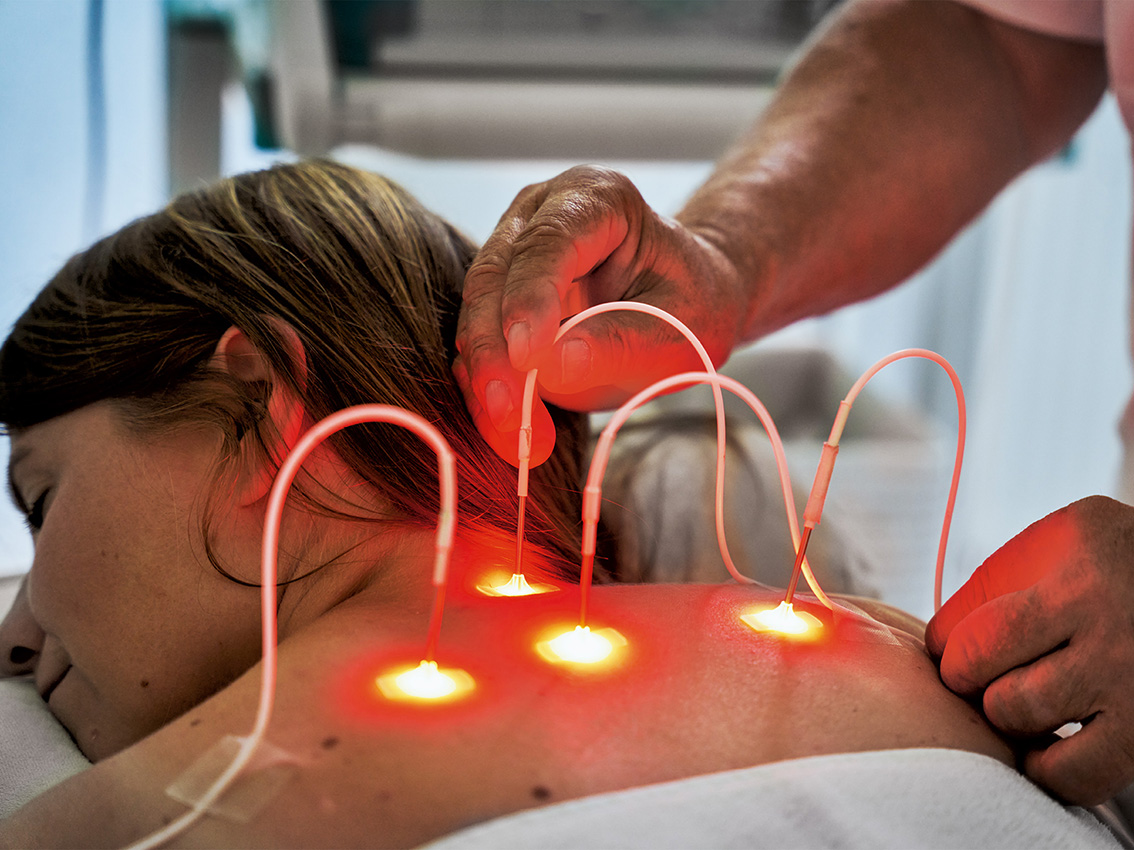
The Advancements of Laser Medicine
Laser technology has revolutionized the field of medicine, offering innovative solutions for a wide range of medical conditions. From precision surgeries to targeted treatments, lasers have become indispensable tools in modern healthcare.
One of the key benefits of laser medicine is its minimally invasive nature. Laser procedures often require smaller incisions, leading to reduced pain, shorter recovery times, and lower risk of infection compared to traditional surgery methods. This makes laser treatments ideal for patients seeking faster healing and less scarring.
Lasers are used in various medical specialties, including dermatology, ophthalmology, oncology, and dentistry. In dermatology, lasers are commonly used for skin resurfacing, hair removal, and treatment of skin conditions such as acne and scars. Ophthalmologists use lasers for vision correction procedures like LASIK surgery.
In oncology, lasers play a crucial role in cancer treatment through techniques like photodynamic therapy (PDT) and laser ablation. These targeted therapies can destroy cancer cells while minimizing damage to surrounding healthy tissue, offering new hope for patients with certain types of cancer.
Furthermore, lasers have transformed dental procedures by enabling precise treatments like cavity detection, gum reshaping, and teeth whitening. Patients benefit from quicker appointments and improved outcomes thanks to the accuracy and efficiency of laser dentistry.
As technology continues to advance, the future of laser medicine looks promising. Researchers are exploring new applications for lasers in areas such as regenerative medicine, neurosurgery, and drug delivery systems. With ongoing innovation and collaboration between medical professionals and engineers, the potential for lasers to revolutionize healthcare is limitless.
In conclusion, laser medicine represents a significant advancement in modern healthcare by offering minimally invasive treatments with enhanced precision and effectiveness. As the field continues to evolve, patients can look forward to safer procedures, faster recoveries, and improved outcomes thanks to the transformative power of laser technology.
Common Questions About Laser Therapy: Uses, Safety, and Effectiveness in Medicine
- What is laser therapy used for?
- Can I do laser if I use tretinoin?
- What are lasers used for in medicine?
- Is laser treatment good or bad?
- Can laser therapy heal a torn rotator cuff?
What is laser therapy used for?
Laser therapy is utilized for a wide range of medical purposes due to its precision and effectiveness. In the field of medicine, laser therapy is commonly used for various applications such as skin treatments, pain management, wound healing, and even surgical procedures. The focused light energy of lasers can target specific tissues or cells, allowing for non-invasive treatments with minimal damage to surrounding areas. Whether it’s dermatological conditions, musculoskeletal injuries, or chronic pain management, laser therapy offers a versatile and promising approach to improving patient outcomes and quality of life.
Can I do laser if I use tretinoin?
When considering laser treatments while using tretinoin, it is crucial to consult with a medical professional or a licensed dermatologist. Tretinoin, a common topical medication derived from vitamin A, is known for its skin-renewing properties and is often prescribed for acne, fine lines, and other skin concerns. However, tretinoin can increase skin sensitivity and make it more prone to irritation or adverse reactions during laser procedures. Your healthcare provider will assess your individual situation to determine the appropriate course of action and may recommend adjusting your tretinoin usage before undergoing laser treatment to ensure the safety and efficacy of the procedure.
What are lasers used for in medicine?
Lasers are versatile tools widely used in medicine for various applications. In the field of healthcare, lasers are utilized for precision surgeries, such as eye surgeries like LASIK, skin resurfacing procedures, and tumor removal. Additionally, lasers are employed in dermatology for hair removal, tattoo removal, and treatment of skin conditions like acne and scars. In dentistry, lasers aid in procedures such as cavity detection, gum reshaping, and teeth whitening. The targeted nature of laser beams allows for minimally invasive treatments with reduced pain, quicker recovery times, and enhanced outcomes in a wide range of medical conditions.
Is laser treatment good or bad?
The question of whether laser treatment is good or bad is a common concern among individuals considering medical procedures involving lasers. It’s important to understand that the effectiveness and safety of laser treatments depend on various factors, including the specific condition being treated, the expertise of the healthcare provider, and the patient’s individual circumstances. Laser treatments can offer significant benefits, such as precise targeting of affected areas, minimal scarring, and faster recovery times compared to traditional methods. However, like any medical procedure, there are potential risks and side effects associated with laser treatments that should be carefully considered and discussed with a qualified healthcare professional before making a decision. Ultimately, the suitability of laser treatment varies depending on the specific case, highlighting the importance of personalized medical advice in determining its appropriateness for each individual.
Can laser therapy heal a torn rotator cuff?
Laser therapy is a non-invasive treatment that can be used as part of a comprehensive approach to help manage symptoms and promote healing in a torn rotator cuff. While laser therapy cannot directly “heal” a torn rotator cuff in the sense of repairing the tear itself, it can aid in reducing inflammation, relieving pain, and improving circulation to the affected area. By stimulating cellular activity and promoting tissue repair processes, laser therapy may contribute to the overall rehabilitation of a torn rotator cuff when used in conjunction with other therapies such as physical therapy and rest. It is essential to consult with a healthcare professional to determine the most suitable treatment plan for addressing a torn rotator cuff injury.
No Responses