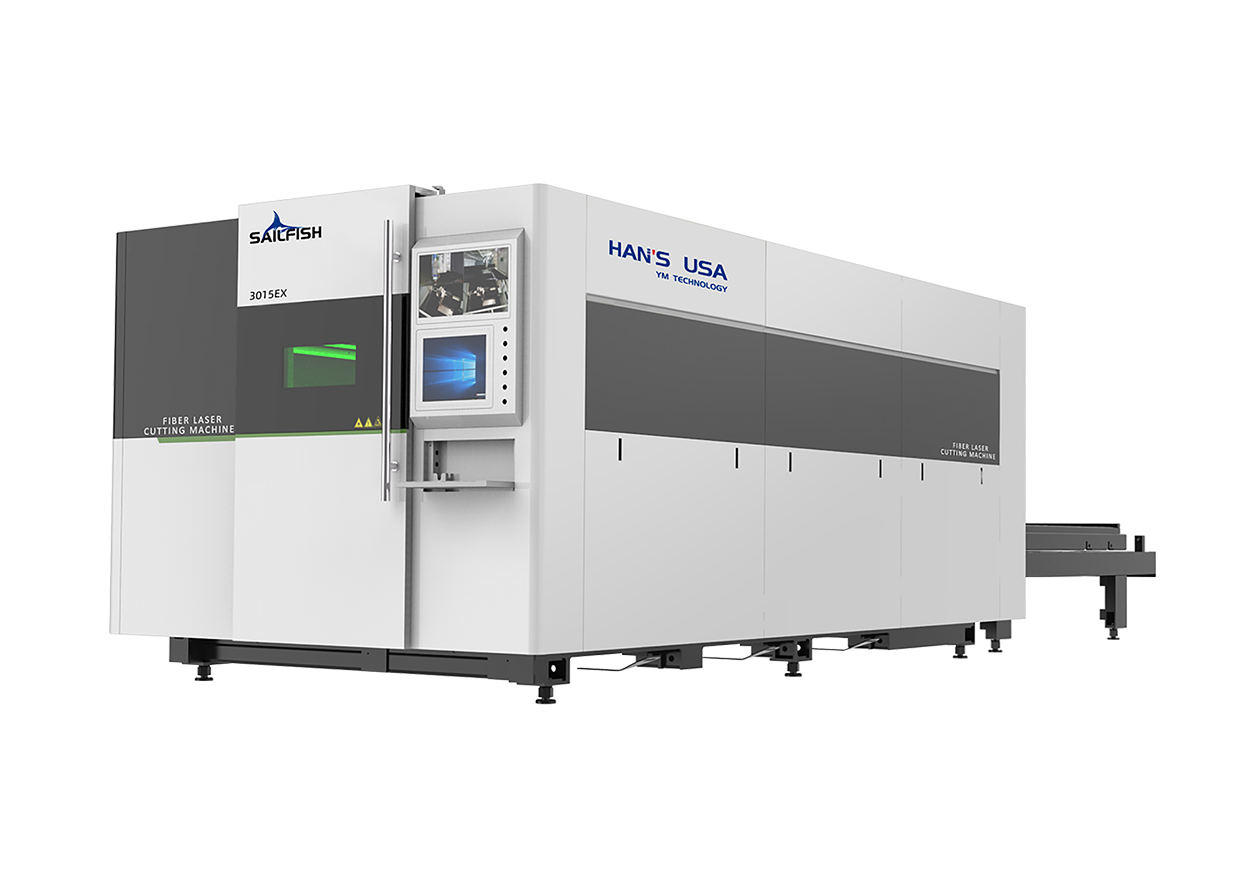
The Power of Industrial Laser Etching Machines
Industrial laser etching machines have revolutionized the way products are marked and engraved in various industries. These high-precision machines use laser technology to create permanent marks on a wide range of materials with incredible accuracy and speed.
One of the key advantages of industrial laser etching machines is their versatility. They can be used to mark alphanumeric codes, logos, serial numbers, barcodes, and intricate designs on materials such as metal, plastic, glass, wood, and ceramics. This flexibility makes them indispensable in industries such as manufacturing, automotive, aerospace, electronics, and medical devices.
Another significant benefit of industrial laser etching machines is their efficiency. Unlike traditional marking methods like stamping or engraving, laser etching does not require direct contact with the material being marked. This non-contact process eliminates the risk of damage to delicate surfaces and ensures consistent results across large production runs.
Furthermore, industrial laser etching machines offer unmatched precision and repeatability. The focused laser beam can achieve intricate details with micron-level accuracy, producing sharp and durable marks that withstand harsh environmental conditions.
With advancements in laser technology, modern industrial etching machines are equipped with user-friendly interfaces and software that allow for easy customization of marking parameters. Operators can adjust settings such as laser power, speed, and focus to achieve optimal results on different materials.
In conclusion, industrial laser etching machines have become indispensable tools for manufacturers looking to enhance product traceability, branding, and aesthetics. Their precision, speed, versatility, and efficiency make them a valuable asset in today’s competitive market landscape.
6 Essential Tips for Safe and Effective Use of Industrial Laser Etching Machines
- Ensure proper ventilation in the workspace to remove fumes and particles produced during etching.
- Regularly clean the machine’s lenses and mirrors to maintain optimal performance.
- Calibrate the laser settings according to the material being etched for best results.
- Follow safety protocols, such as wearing protective eyewear, when operating the machine.
- Monitor the power levels of the laser to prevent damage to both the machine and materials.
- Keep a log of maintenance activities and usage hours to schedule timely servicing.
Ensure proper ventilation in the workspace to remove fumes and particles produced during etching.
To ensure a safe working environment when using an industrial laser etching machine, it is crucial to prioritize proper ventilation in the workspace. The process of laser etching generates fumes and particles that can be harmful if inhaled, leading to potential health risks for operators. By implementing effective ventilation systems, these byproducts are efficiently removed from the air, minimizing exposure and maintaining air quality within the workspace. Prioritizing proper ventilation not only safeguards the health and well-being of workers but also contributes to a more productive and comfortable working environment overall.
Regularly clean the machine’s lenses and mirrors to maintain optimal performance.
Regularly cleaning the lenses and mirrors of your industrial laser etching machine is crucial to ensuring optimal performance. Dust, debris, and residue can accumulate over time, affecting the quality and accuracy of the laser beam. By maintaining clean optics, you can prevent distortion and maintain consistent marking results. A simple routine of cleaning and inspection can go a long way in prolonging the lifespan of your machine and maximizing its efficiency in producing high-quality marks on various materials.
Calibrate the laser settings according to the material being etched for best results.
To achieve optimal results with an industrial laser etching machine, it is crucial to calibrate the laser settings according to the material being etched. By adjusting parameters such as laser power, speed, and focus based on the material’s properties, operators can ensure precise and high-quality marks. This customization not only enhances the clarity and durability of the etchings but also minimizes any potential damage to the material. Calibration is key to unlocking the full potential of the industrial laser etching machine and achieving consistent, professional results across different materials and applications.
Follow safety protocols, such as wearing protective eyewear, when operating the machine.
When using an industrial laser etching machine, it is crucial to adhere to safety protocols to protect yourself from potential hazards. One important tip is to always wear protective eyewear while operating the machine. Laser beams can be harmful to the eyes and cause serious damage if proper precautions are not taken. By wearing appropriate protective eyewear, you can safeguard your vision and ensure a safe working environment when using an industrial laser etching machine.
Monitor the power levels of the laser to prevent damage to both the machine and materials.
Monitoring the power levels of the laser in an industrial laser etching machine is crucial to prevent potential damage to both the machine and the materials being processed. By carefully monitoring and adjusting the power levels, operators can ensure that the laser operates within safe parameters, avoiding overheating or excessive energy output that could harm the equipment or compromise the quality of the etched marks. Regularly checking and calibrating the power levels not only safeguards the longevity of the machine but also helps maintain consistent and high-quality results on various materials, contributing to efficient and reliable production processes.
Keep a log of maintenance activities and usage hours to schedule timely servicing.
Keeping a detailed log of maintenance activities and usage hours for your industrial laser etching machine is essential for ensuring its optimal performance and longevity. By tracking maintenance tasks and usage hours, you can identify patterns, anticipate potential issues, and schedule timely servicing to prevent costly downtime. Regular maintenance not only extends the lifespan of your machine but also helps maintain consistent marking quality, making it a valuable practice for maximizing efficiency and productivity in your operations.
No Responses