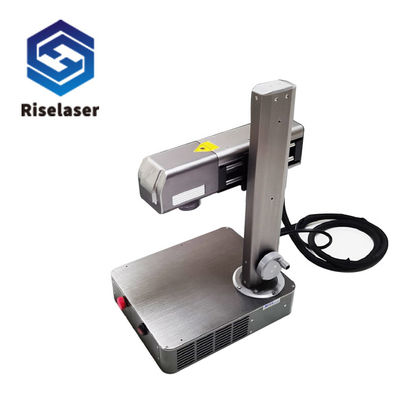
20-Watt Fiber Lasers: Uses, Benefits, and What to Consider
A 20-watt fiber laser is a compact, precise tool commonly used for marking and engraving materials such as metal and certain plastics. Its combination of focused energy, speed, and relatively low maintenance makes it a popular choice for workshops, manufacturers, and businesses that need to add text, logos, serial numbers, or decorative details to products.
What Is a 20-Watt Fiber Laser?
A fiber laser generates its beam using an optical fiber that has been specially treated to amplify light. Many fiber-laser marking systems operate at a wavelength near 1064 nanometers, in the infrared range. A 20-watt rating describes the laser’s output power, but the system’s performance also depends on factors such as pulse characteristics, lens selection, software, material, and settings.
Fiber lasers are often chosen for industrial marking because they can produce fine details and consistent results on compatible materials. Unlike some laser systems, they typically do not require ink, paint, or other consumables to create a mark.
Common Applications
A 20-watt fiber laser is generally best suited to marking and engraving rather than heavy cutting. Common applications include:
- Adding serial numbers, QR codes, and product identification
- Marking logos and text on metal tools, components, and promotional products
- Engraving jewelry and small metal objects
- Creating decorative patterns on compatible materials
- Marking some plastics formulated for laser processing
Results vary by material and surface finish. Stainless steel, aluminum, brass, and other metals may respond differently, and some materials require specific settings or preparation. Always confirm that a material is suitable for laser processing before working on it.
What Can It Do—and What Can’t It Do?
With the right settings, a 20-watt fiber laser can create clear, durable marks on many compatible surfaces. Depending on the material and the desired finish, it may produce a surface mark, a darker or lighter contrast mark, or a shallow engraving.
It is not usually the right choice for cutting thick metal or removing large amounts of material. A 20-watt marking laser may be able to process very thin materials under particular conditions, but cutting capability depends on the machine design and material. For regular sheet-metal cutting, a purpose-built, higher-power cutting system is typically more appropriate.
Advantages of a 20-Watt Fiber Laser
- Precision: A focused beam can create small text and fine details when the machine and material are properly set up.
- Fast marking: Fiber-laser systems can mark many items quickly, depending on the design and settings.
- Low consumable use: The marking process generally does not rely on inks or engraving bits.
- Versatility: One system can handle a range of compatible materials and marking tasks.
- Repeatability: Software-controlled operation helps reproduce the same design across multiple pieces.
Choosing the Right System
Before purchasing a 20-watt fiber laser, consider the materials you plan to process, the size of your work area, and the level of detail you need. Also review the machine’s working field, compatible software, focusing method, service support, and any required ventilation or filtration. If you expect to mark coated, painted, or reflective materials, ask the supplier for examples using those specific surfaces.
Power is only one part of the decision. Pulse settings, beam quality, scan-head performance, and the operator’s ability to tune the process can all affect the finished mark. Request sample results on your own materials when possible.
Laser Safety Matters
Fiber lasers can cause serious eye and skin injuries, and the infrared beam may be invisible. Use the system only with appropriate safeguards, such as a properly rated enclosure, interlocks, and protective eyewear selected for the laser’s wavelength and specifications. Follow the manufacturer’s instructions, control access to the work area, and provide suitable ventilation when processing materials that may produce fumes or particles.
Is a 20-Watt Fiber Laser Right for You?
A 20-watt fiber laser can be a practical option for businesses and makers focused on detailed marking and light engraving of compatible materials. It offers a useful balance of precision and productivity for identification, personalization, and decorative work. For thick-material removal or routine metal cutting, however, a different type or power level of laser may be needed.
Matching the laser to the job—and confirming that the system can safely process the intended materials—is the best way to get reliable results.
20-Watt Fiber Laser FAQs: Materials, Cutting, Engraving Depth, Speed, Jewelry, Safety, and Cost
- What can a 20-watt fiber laser engrave or mark?
- Can a 20-watt fiber laser cut metal?
- How deep can a 20-watt fiber laser engrave?
- How fast can a 20-watt fiber laser mark materials?
- What materials are compatible with a 20-watt fiber laser?
- Is a 20-watt fiber laser suitable for engraving jewelry?
- What safety equipment is needed to use a 20-watt fiber laser?
- How much does a 20-watt fiber laser cost?
What can a 20-watt fiber laser engrave or mark?
A 20-watt fiber laser can mark and engrave many metals, including stainless steel, aluminum, brass, copper, and titanium, as well as certain laser-compatible plastics. It’s commonly used for adding logos, text, serial numbers, barcodes, and decorative details to tools, jewelry, components, and promotional products. The result—such as a dark surface mark, color change, or shallow engraving—depends on the material, surface finish, and laser settings. Always verify that a material is suitable for laser processing and follow the machine manufacturer’s safety guidance.
Can a 20-watt fiber laser cut metal?
A 20-watt fiber laser is designed mainly for marking and engraving, not cutting metal. It may cut very thin metal foil under specific conditions, but results depend on the material, machine setup, and number of passes, and the process is generally slow and limited. For reliable metal cutting, a purpose-built, higher-power laser cutter is usually a better choice.
How deep can a 20-watt fiber laser engrave?
A 20-watt fiber laser typically makes shallow engravings, but the depth varies with the material, surface finish, lens, and laser settings. On some metals, repeated passes may produce depths of a few tenths of a millimeter, though engraving that deeply can take time and may affect the finish. For precise results, test the laser on the same material and consult the machine manufacturer’s specifications; a 20-watt system is generally better suited to marking and light engraving than deep material removal.
How fast can a 20-watt fiber laser mark materials?
A 20-watt fiber laser can mark many materials in seconds, but the exact speed depends on the material, mark size, design detail, and desired depth or contrast. Simple text or barcodes can usually be marked faster than dense graphics or deep engravings, which require slower passes. For the most reliable estimate, test the laser on the specific material and adjust the settings to balance speed with mark quality.
What materials are compatible with a 20-watt fiber laser?
A 20-watt fiber laser is commonly used to mark or engrave metals such as stainless steel, aluminum, brass, copper, and titanium, though results vary by material and surface finish. It can also work with certain laser-markable plastics and coated or anodized surfaces, but compatibility depends on the specific formulation and desired result. Always test a sample and check the machine and material manufacturers’ guidance before processing; avoid materials such as PVC or vinyl, which can release hazardous fumes.
Is a 20-watt fiber laser suitable for engraving jewelry?
Yes, a 20-watt fiber laser is suitable for engraving many types of metal jewelry, including stainless steel, gold, silver, and some alloys. It can create names, dates, logos, and fine decorative details, though the results depend on the metal, finish, design, and laser settings. Because jewelry pieces are often small and reflective, proper fixturing and careful testing help achieve consistent results. A fiber laser is generally intended for metal marking and engraving, not for engraving gemstones or every nonmetal material, so check material compatibility before processing.
What safety equipment is needed to use a 20-watt fiber laser?
Safety equipment for a 20-watt fiber laser depends on the machine’s design and how it is used. Use a properly rated, enclosed system with functioning interlocks whenever possible; if the beam is accessible, wear laser safety eyewear specifically rated for the laser’s wavelength and optical density, as specified by the manufacturer. Provide suitable fume extraction for the materials being processed, keep a fire extinguisher nearby, and restrict access to trained operators. Follow the manufacturer’s safety instructions and never rely on protective eyewear as a substitute for an enclosure or other required safeguards.
How much does a 20-watt fiber laser cost?
The cost of a 20-watt fiber laser varies by brand, build quality, work area, software, and safety features. Basic desktop systems may cost a few thousand dollars, while enclosed or industrial-grade machines can cost considerably more. Accessories such as a rotary attachment, fume extraction, or protective enclosure may add to the total. Compare complete system specifications and support options, and request a quote based on your materials and intended use.
No Responses