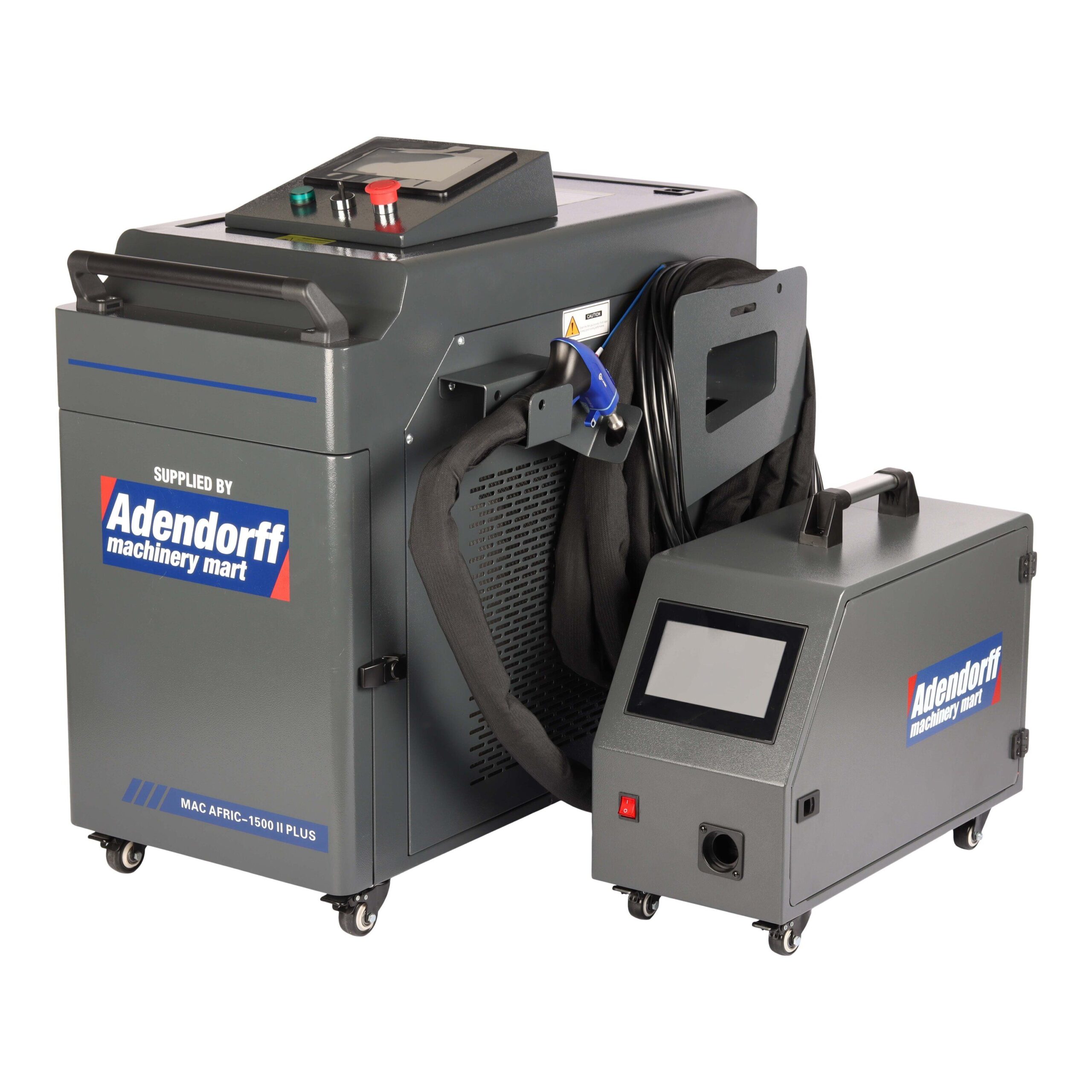
1500W Laser Welding Machine: A Practical Guide
A 1500W laser welding machine is a popular choice for workshops and manufacturers looking for a balance of welding capability, speed, and equipment size. Often sold as a handheld fiber laser welder, a 1500W system directs concentrated laser energy onto metal parts to create a controlled weld. It can be used for a range of fabrication and repair work, but the results depend on the machine’s design, material, joint preparation, and operator training.
What Is a 1500W Laser Welding Machine?
The “1500W” in the name refers to the machine’s rated laser output power. Many machines in this category use a fiber laser source and a handheld welding head. Depending on the configuration, the system may also include a wire feeder, a chiller, a control unit, and a dedicated welding nozzle.
Laser welding works by focusing a high-energy beam onto the joint between metal pieces. The heat melts the material in a small, concentrated area, forming a weld as it cools. Compared with some conventional welding processes, laser welding can offer a narrow heat-affected zone and less distortion on suitable applications. Actual performance varies by machine and setup.
Materials and Applications
A 1500W laser welder may be used for jobs involving compatible grades and thicknesses of stainless steel, carbon steel, and some other metals. Aluminum and reflective metals may also be weldable with an appropriately configured system, but they can require careful parameter selection and additional operator experience.
Common applications include:
- Sheet-metal fabrication and enclosure production
- Cabinet, furniture, and kitchen-equipment manufacturing
- Automotive and machinery component repair
- Metal frames, brackets, and assemblies
- Small-batch manufacturing and custom metalwork
Material thickness capacity is not determined by wattage alone. It can depend on the alloy, joint design, welding speed, wire-feed setup, and the manufacturer’s recommended parameters. Before purchasing, check the supplier’s material-specific guidance and test the machine on representative parts.
Potential Benefits
Focused heat input
The laser concentrates energy around the weld area. On appropriate parts, this may help reduce heat spread and visible distortion compared with processes that apply more heat to a wider area.
Fast operation
Laser welding can be quick on compatible joints and production tasks. The actual cycle time depends on part geometry, material, operator skill, and the required weld quality.
Versatility
Some systems support different welding modes or optional functions, such as wire feeding or cleaning. These features are not standard on every machine, so confirm exactly what is included in the package.
Ease of use—with proper training
Handheld systems may feel approachable to operators familiar with metal fabrication. However, safe and consistent use still requires training, correct parameter selection, and careful preparation of the workpiece.
What to Check Before Buying
Specifications and build quality can vary considerably between 1500W machines. Compare more than the power rating when evaluating options.
- Laser source: Ask for the source manufacturer, model, rated output, and warranty terms.
- Cooling system: Confirm whether the machine uses an integrated or external chiller and what operating conditions it requires.
- Welding head and controls: Review the available modes, settings, nozzle options, and ease of replacement parts.
- Wire feeder: If filler wire is needed for the planned work, check whether a feeder is included and what wire sizes it supports.
- Electrical requirements: Verify voltage, current, grounding, and facility requirements with the supplier.
- Service and parts: Ask about technical support, training, consumables, replacement components, and repair turnaround.
- Demonstrations and testing: Request sample welds or arrange a test using the actual material and joint type.
Laser Welding Safety
Industrial laser welding equipment can present serious eye, skin, fire, and electrical hazards. Many handheld systems use high-powered infrared laser beams that are invisible to the eye. A beam or reflection can cause permanent injury, even when it does not appear bright.
Use the machine only with a suitable laser-controlled work area, protective housing or barriers where required, and laser safety eyewear specified for the machine’s wavelength and power. Ordinary safety glasses are not a substitute. Follow the manufacturer’s instructions and applicable workplace regulations, and have a qualified laser safety professional assess the installation. Operators should also use appropriate protection against welding fumes, hot metal, sparks, and electrical hazards.
Is a 1500W Laser Welder the Right Choice?
A 1500W laser welding machine may suit businesses that regularly weld compatible metal parts and want a compact, focused process for fabrication or repair. It may not be the best choice for every job. Thick sections, challenging alloys, complex joint designs, or strict production requirements may call for a different power level or welding method.
Start by listing the materials, thicknesses, joint types, and production volume involved. Then compare manufacturer specifications, safety provisions, service support, and demonstrated weld quality. A well-matched machine and properly controlled work area matter more than the wattage label alone.
1500W Laser Welding Machines: 7 Frequently Asked Questions
- What materials can a 1500W laser welding machine weld?
- What is the maximum metal thickness a 1500W laser welder can weld?
- How much does a 1500W laser welding machine cost?
- Is a 1500W laser welding machine suitable for beginners?
- What power supply and cooling system does a 1500W laser welder require?
- What safety equipment is needed to operate a 1500W laser welding machine?
- How does a 1500W laser welder compare with MIG or TIG welding?
What materials can a 1500W laser welding machine weld?
A 1500W laser welding machine can typically weld metals such as stainless steel, carbon steel, and, with the right settings, aluminum and some other alloys. Its capabilities depend on the material’s grade and thickness, joint design, machine configuration, and operator technique. Because reflective metals and thicker materials may require specialized parameters or more experience, check the manufacturer’s guidance and test the setup on sample pieces before starting production.
What is the maximum metal thickness a 1500W laser welder can weld?
A 1500W laser welder can typically weld metal up to about 3–4 mm thick in suitable conditions, but the practical maximum depends on the metal type, joint design, welding speed, and machine settings. Thicker materials may require multiple passes or a different setup, so check the manufacturer’s specifications and test the machine on your specific material before relying on a stated thickness limit.
How much does a 1500W laser welding machine cost?
The cost of a 1500W laser welding machine varies by brand, laser source, included accessories, warranty, and after-sales support. Entry-level systems may cost several thousand dollars, while higher-end machines with features such as a wire feeder, advanced cooling, and stronger service coverage can cost significantly more. Ask suppliers for an itemized quote that includes shipping, installation, training, safety equipment, and any import fees, and compare the warranty and support as well as the purchase price.
Is a 1500W laser welding machine suitable for beginners?
A 1500W laser welding machine can be suitable for beginners when it includes clear controls, reliable safety features, and access to proper training—but it isn’t a plug-and-play tool. Operators need to learn how to set parameters, prepare materials, and handle the welding head safely. Because high-powered laser beams can cause severe eye and skin injuries, use the machine only in a properly controlled work area with the manufacturer-recommended protective equipment and safety procedures.
What power supply and cooling system does a 1500W laser welder require?
A 1500W laser welder’s electrical and cooling requirements vary by model, so check the manufacturer’s nameplate and installation guide before setup. Many units require a dedicated 220–240V supply, but the required phase, amperage, and total power draw—including the chiller—can differ. Most use a closed-loop water chiller, either built in or supplied separately, sized for the laser and operated with the coolant specified by the manufacturer. Have a qualified electrician confirm the circuit, grounding, and connections, and ensure the chiller can maintain the required coolant temperature and flow.
What safety equipment is needed to operate a 1500W laser welding machine?
Operating a 1500W laser welding machine requires more than standard welding PPE. Use laser safety eyewear specifically rated for the machine’s laser wavelength and power, along with a properly enclosed or controlled work area that prevents direct and reflected beam exposure. Wear suitable welding gloves and flame-resistant clothing, and use eye and face protection appropriate for sparks and hot metal. Provide effective ventilation or fume extraction for the materials being welded, and keep fire-prevention equipment nearby. Follow the manufacturer’s instructions and applicable workplace regulations, and have a qualified laser safety professional assess the setup; ordinary safety glasses are not a substitute for laser-rated eyewear.
How does a 1500W laser welder compare with MIG or TIG welding?
A 1500W laser welder can produce fast, precise welds with a relatively small heat-affected area, which may help reduce distortion on suitable metal parts. Compared with MIG, it can require less post-weld cleanup in some applications, while MIG may be more practical for thicker materials, outdoor work, or jobs where portability and lower equipment cost matter. Compared with TIG, laser welding can be faster and easier to learn for certain joints, but TIG offers excellent control for detailed work and a wider range of established applications. The best choice depends on the material, thickness, joint design, finish requirements, production volume, and operator training; laser welding also requires specialized safety controls.
No Responses