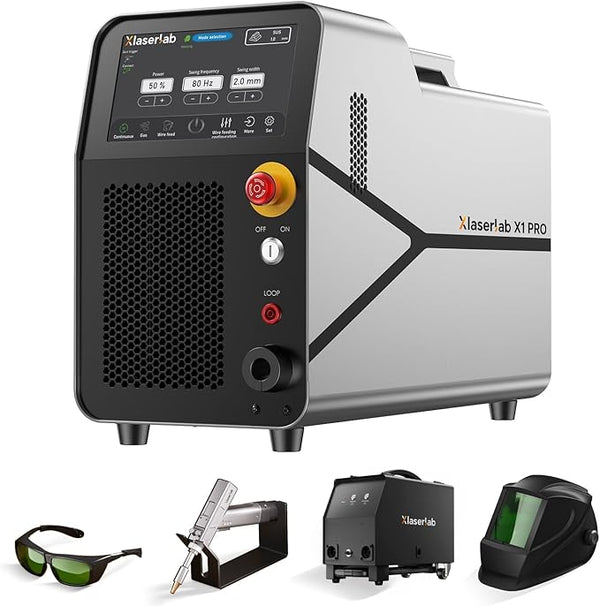
Laser Welding Machines: How They Work and What to Consider
A laser welding machine uses a concentrated beam of light to join metal parts. The beam heats a small area to create a weld, often with less heat spread than many conventional welding methods. Laser welding is used in industries such as automotive manufacturing, electronics, medical-device production, aerospace, and metal fabrication.
How Laser Welding Works
A laser source generates a high-energy beam, which optics focus onto the joint between two workpieces. The heat melts the material along the seam. As the molten metal cools, it forms a weld. Depending on the application, the process may use filler wire or rely on the base materials alone.
Many systems use fiber lasers, valued for their efficiency and ability to deliver a beam through a flexible fiber-optic cable. Other laser types may be suited to particular materials, production requirements, or equipment designs.
Common Types of Laser Welding Machines
- Handheld laser welders: Portable systems designed for operators to guide the welding head manually. They can be useful for varied jobs and smaller production runs.
- Automated systems: Integrated with robotic arms or CNC equipment for repeatable welding in high-volume production.
- Stationary workstations: Enclosed or fixed systems designed for controlled, consistent operation, often used for small or precision components.
Potential Advantages
Laser welding can offer a narrow, precise weld and a small heat-affected zone. This may help reduce distortion on suitable materials and parts. The process can also support high production speeds and automation, making it an option for manufacturers that need consistent results across many components.
Results depend on the material, joint design, machine settings, operator skill, and overall process setup. Laser welding is not automatically the best choice for every job, so testing and professional guidance are important.
Materials and Applications
Laser welding machines are commonly used with metals such as stainless steel, carbon steel, aluminum, and certain alloys. Compatibility varies by machine and application. Reflective materials, dissimilar metals, thick sections, and difficult joint geometries may require specialized equipment or process adjustments.
Typical applications include sheet-metal fabrication, automotive components, battery production, electronics, medical instruments, and precision metal parts. Before choosing a system, confirm that it can handle the materials, thicknesses, joint types, and production volume required.
How to Choose a Laser Welding Machine
When comparing machines, consider the following:
- Material and thickness: Check the manufacturer’s specifications and arrange sample testing for the exact materials and joint configuration.
- Laser power and process control: Power, pulse settings, and control features affect weld quality and suitable applications.
- Production needs: Decide whether a handheld unit, workstation, or automated system best fits the job volume and workflow.
- Ease of use: Review training requirements, controls, setup, and the availability of service and technical support.
- Operating costs: Consider installation, maintenance, consumables, extraction equipment, training, and safety measures—not just the purchase price.
- Safety features: Look for appropriate guarding, interlocks, emergency stops, and clear operating instructions.
Laser Welding Safety
Industrial welding lasers can cause severe eye and skin injuries, including from reflections. A suitable laser-controlled work area, protective enclosures, interlocks, warning signs, and procedures are essential. Personal protective equipment must be selected for the specific laser wavelength and application; ordinary welding eyewear may not provide adequate protection.
Operators should receive training and follow the machine manufacturer’s instructions and applicable workplace safety requirements. Fumes and airborne particles may also be produced during welding, so appropriate ventilation or fume extraction may be needed.
Is a Laser Welding Machine Right for Your Operation?
A laser welding machine may be a strong fit when precision, repeatability, or production speed is a priority and the materials are compatible with the process. The best way to evaluate a system is to define the application, review the technical requirements, and test representative parts before purchasing.
With the right equipment, process setup, and safety controls, laser welding can be a valuable tool for modern metalworking. Careful selection helps ensure that the machine matches both the job and the demands of the workplace.
Laser Welding Machines: 5 FAQs About Strength, Performance, Cost, and Thickness
- Is laser welding as strong as MIG?
- What is a laser welding machine?
- Are laser welding machines any good?
- How much does a laser welding machine cost?
- How thick will a laser welder weld?
Is laser welding as strong as MIG?
Laser welding can produce welds as strong as MIG welds, but strength depends on the material, joint design, weld penetration, and process settings—not just the welding method. Laser welding creates a narrow, precise weld with relatively low heat input, while MIG can be more forgiving on thicker materials and less precise fit-ups. When properly designed and tested, either process can meet the required strength; compare the finished joint against the specifications for your application.
What is a laser welding machine?
A laser welding machine uses a focused beam of light to heat and join metal parts. The laser melts the material along the joint, and as it cools, the metal forms a weld. Depending on the machine and application, the process can be performed by hand or automated with robotic or CNC equipment. Laser welding is commonly used when precision, consistent results, and minimal heat spread are important.
Are laser welding machines any good?
Laser welding machines can be very effective for applications that require precise, consistent welds and fast processing. They often produce a narrow heat-affected zone, which can help reduce distortion on suitable materials. However, results depend on the material, thickness, joint design, machine settings, and operator training. Laser welders can also require a higher upfront investment and strict safety controls. They’re a good choice when their capabilities match the job, but testing sample parts and comparing costs with other welding methods can help determine whether one is right for your needs.
How much does a laser welding machine cost?
The cost of a laser welding machine varies widely based on its laser power, features, automation, and intended use. Entry-level or handheld systems may cost several thousand dollars, while higher-power industrial machines and fully automated setups can cost tens of thousands to well over $100,000. When comparing prices, also consider installation, safety equipment, operator training, maintenance, and consumables. Ask suppliers for a detailed quote based on your materials, thicknesses, and production needs, since the lowest upfront price may not offer the best long-term value.
How thick will a laser welder weld?
There’s no single thickness limit for a laser welder: it depends on the machine’s laser power, the metal type, joint design, and welding settings. Many handheld laser welders are designed for thin-to-moderate materials, while thicker sections may require more power, multiple passes, or a different welding process. Check the manufacturer’s specifications for your exact material and joint, and test a sample before starting production.
No Responses