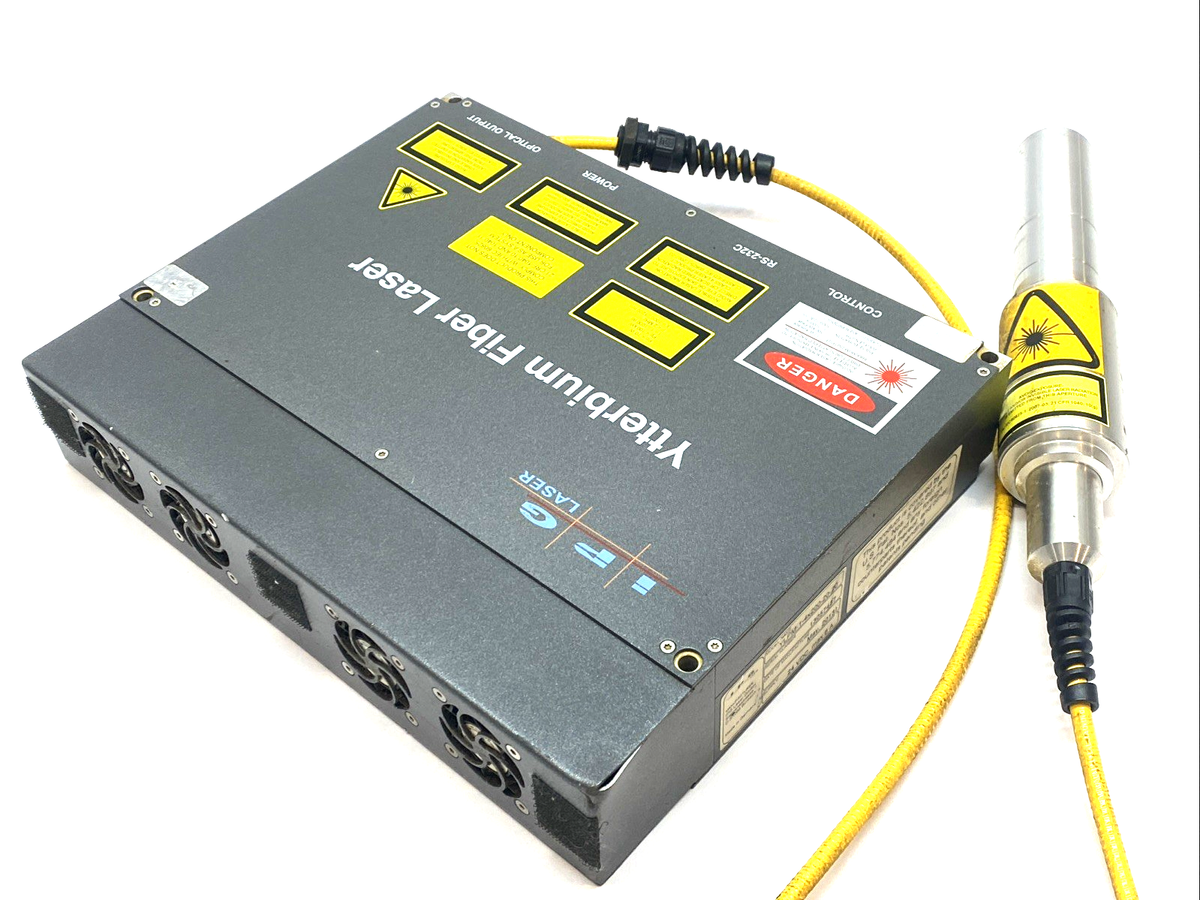
The Power of Pulsed Fiber Lasers
When it comes to precision and efficiency in laser technology, pulsed fiber lasers stand out as a powerful solution for a wide range of applications. These advanced lasers utilize optical fibers doped with rare-earth elements to generate high-energy pulses of laser light.
One of the key advantages of pulsed fiber lasers is their ability to deliver intense bursts of energy in short durations, making them ideal for tasks that require high peak power levels. This capability opens up opportunities in fields such as materials processing, micromachining, medical procedures, and more.
Compared to traditional solid-state lasers, pulsed fiber lasers offer several benefits, including superior beam quality, compact design, and enhanced reliability. Their fiber-optic construction allows for flexible beam delivery systems and easy integration into existing production lines.
Another advantage of pulsed fiber lasers is their energy efficiency. By harnessing the power of fiber optics and efficient diode pumping mechanisms, these lasers can achieve high levels of performance while minimizing energy consumption and operating costs.
Whether you’re in need of precise cutting, welding, marking, or drilling capabilities, pulsed fiber lasers provide the speed and accuracy required for demanding industrial applications. Their versatility and reliability make them a preferred choice for manufacturers looking to optimize their production processes.
In conclusion, pulsed fiber lasers represent a significant advancement in laser technology, offering unmatched performance and efficiency across various industries. With their ability to deliver intense pulses of laser light with precision and control, these cutting-edge lasers continue to drive innovation and progress in the world of laser technology.
Advantages of Pulsed Fiber Lasers: Power, Precision, Efficiency, and Versatility
- High peak power levels for intense bursts of energy
- Superior beam quality for precise and accurate results
- Compact design for easy integration into existing systems
- Energy-efficient operation to minimize costs
- Versatile applications in materials processing and micromachining
- Reliable performance for consistent output
Considerations Before Choosing Pulsed Fiber Lasers: Cost, Maintenance, Power Limitations, and Environmental Sensitivity
- Higher initial cost compared to some other laser technologies.
- Maintenance and repair may require specialized expertise.
- Limited peak power output compared to certain solid-state lasers.
- Sensitive to environmental factors such as temperature fluctuations.
High peak power levels for intense bursts of energy
One of the standout advantages of pulsed fiber lasers is their capability to generate high peak power levels, resulting in intense bursts of energy. This feature allows these lasers to deliver focused and powerful beams of light in short durations, making them ideal for applications that require precise and concentrated energy output. Whether used in materials processing, medical procedures, or industrial manufacturing, the ability of pulsed fiber lasers to produce intense bursts of energy enables them to perform tasks with exceptional speed and accuracy, setting them apart as a superior choice for demanding applications.
Superior beam quality for precise and accurate results
The superior beam quality of pulsed fiber lasers sets them apart by ensuring precise and accurate results in a variety of applications. This high-quality beam enables fine control over the laser’s focus and intensity, allowing for intricate and detailed work with minimal heat-affected zones. Whether it’s cutting, welding, marking, or drilling, the exceptional beam quality of pulsed fiber lasers guarantees consistent and reliable performance, making them an indispensable tool for tasks that demand precision and accuracy.
Compact design for easy integration into existing systems
The compact design of pulsed fiber lasers makes them a standout choice for seamless integration into existing systems. Their small footprint and versatile fiber-optic construction allow for easy installation and integration, saving valuable space in industrial settings. This pro of compactness not only simplifies the process of incorporating pulsed fiber lasers into production lines but also enhances overall efficiency and productivity by streamlining operations without compromising on performance or reliability.
Energy-efficient operation to minimize costs
Pulsed fiber lasers offer energy-efficient operation, effectively minimizing costs for users. By utilizing advanced fiber-optic technology and efficient diode pumping mechanisms, these lasers can achieve high levels of performance while consuming minimal energy. This not only reduces operational expenses but also contributes to a more sustainable and environmentally friendly approach to laser technology. The energy efficiency of pulsed fiber lasers makes them a cost-effective choice for industries seeking to optimize production processes without compromising on performance or reliability.
Versatile applications in materials processing and micromachining
Pulsed fiber lasers offer a significant advantage in their versatile applications in materials processing and micromachining. Their ability to deliver high-energy pulses of laser light with precision and control makes them ideal for a wide range of tasks, including cutting, welding, drilling, and marking various materials. Whether working on delicate micro-components or robust industrial parts, pulsed fiber lasers provide the speed and accuracy required for demanding applications in these fields. Their flexibility and reliability make them a valuable tool for manufacturers looking to optimize their production processes and achieve superior results in materials processing and micromachining.
Reliable performance for consistent output
Pulsed fiber lasers are highly regarded for their reliable performance, ensuring consistent output across a wide range of applications. The stable and predictable nature of these lasers allows businesses to achieve precision and accuracy in their processes without worrying about fluctuations or inconsistencies in laser output. This reliability not only enhances productivity but also contributes to the overall quality and efficiency of operations, making pulsed fiber lasers a trusted choice for industries that demand consistent and dependable laser performance.
Higher initial cost compared to some other laser technologies.
One notable drawback of pulsed fiber lasers is their higher initial cost when compared to certain other laser technologies. The sophisticated design and advanced components of pulsed fiber lasers contribute to their elevated price point, which may pose a barrier for some businesses or individuals looking to invest in laser technology. While the initial investment may be higher, it’s important to consider the long-term benefits and superior performance that pulsed fiber lasers offer, making them a worthwhile investment for applications that demand high precision and efficiency.
Maintenance and repair may require specialized expertise.
Maintenance and repair of pulsed fiber lasers may present a challenge as it often requires specialized expertise. Due to the complex nature of these advanced laser systems and the intricate components involved, troubleshooting issues and conducting repairs may be beyond the capabilities of general technicians. Specialized training and knowledge are essential to effectively diagnose problems, perform maintenance tasks, and ensure optimal performance of pulsed fiber lasers. This requirement for specialized expertise can lead to increased maintenance costs and downtime if access to qualified professionals is limited, highlighting a potential drawback of utilizing pulsed fiber laser technology.
Limited peak power output compared to certain solid-state lasers.
One drawback of pulsed fiber lasers is their limited peak power output when compared to certain solid-state lasers. While pulsed fiber lasers offer high energy efficiency and superior beam quality, their peak power levels may not match those of specific solid-state laser systems. This limitation can impact applications that require extremely high peak power for tasks such as deep material ablation or ultrafast processing. Despite this con, advancements in pulsed fiber laser technology continue to address these limitations, offering improved performance and expanding the range of applications where they can excel.
Sensitive to environmental factors such as temperature fluctuations.
Pulsed fiber lasers, while highly efficient and versatile, can be sensitive to environmental factors such as temperature fluctuations. Changes in ambient temperature can affect the performance and stability of these lasers, potentially leading to variations in output power and beam quality. This sensitivity to environmental conditions may require additional monitoring and control measures to ensure consistent and reliable operation, especially in settings where temperature fluctuations are common. Despite this challenge, advancements in thermal management systems and design optimization are continuously being developed to mitigate the impact of temperature changes on pulsed fiber laser performance.
No Responses