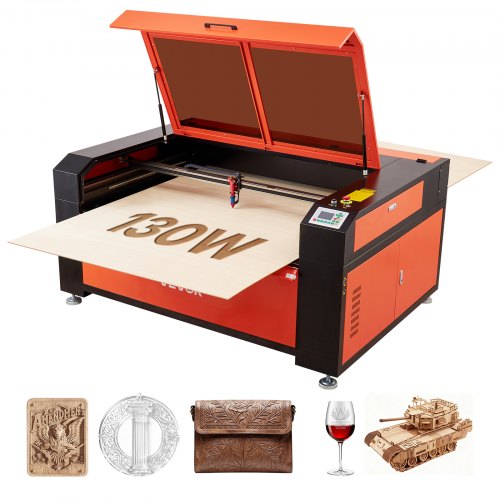
Laser Wood Carving Machines: A Guide to Precision and Creativity
A laser wood carving machine uses a focused beam of light to engrave designs, mark surfaces, or cut through wood. Instead of relying on a blade, the machine directs heat onto selected areas of the material. The result can range from fine lettering and detailed illustrations to custom signs, decorative panels, and shaped wooden parts.
Laser machines are used by hobbyists, makers, small businesses, and manufacturers. They can help turn digital artwork into repeatable designs while offering flexibility across a wide range of projects.
How a Laser Wood Carving Machine Works
Most laser wood carving machines use either a CO2 laser or a diode laser. The beam is directed by the machine’s optical system and controlled by software. As the laser moves across the wood, its energy heats and removes or darkens the material along the programmed path.
For engraving, the machine typically varies the beam’s movement or power to create lines, shading, and surface detail. For cutting, it follows a defined outline and uses enough energy to pass through the material. The result depends on several factors, including laser type, power, focus, speed, wood species, and thickness.
Common Uses
- Personalized gifts: Engrave names, dates, messages, or photographs onto plaques, ornaments, and keepsakes.
- Signs and displays: Create lettering, logos, house numbers, and decorative wall pieces.
- Crafts and home décor: Make intricate patterns, inlays, coasters, and custom ornaments.
- Prototypes and components: Cut shapes and panels for models, product concepts, or small projects.
- Business products: Produce branded merchandise, packaging details, and made-to-order items.
Choosing the Right Machine
The best machine depends on the size and type of work you plan to do. Before buying, consider the following:
- Laser type: CO2 machines are commonly chosen for engraving and cutting many nonmetal materials, including wood. Diode machines can suit smaller projects and entry-level use, though their cutting capabilities vary by model.
- Work area: Make sure the usable bed is large enough for your typical projects. A larger work area can handle bigger pieces, but it also requires more space.
- Laser power and performance: Power affects how quickly a machine can engrave or cut, but it is not the only factor. Optics, motion control, focus, and material also matter.
- Software compatibility: Check that the machine works with software and file formats you can use, such as vector artwork for cut paths and raster images for engraving.
- Safety features: Look for suitable enclosure and interlock options, clear operating instructions, and provisions for ventilation or exhaust.
- Support and replacement parts: Accessible documentation, technical support, and commonly available components can make ownership easier.
Which Woods Work Well?
Laser machines can process many types of wood, but results vary. Plywood, hardwood, softwood, and wood veneer may all behave differently. Grain patterns, resin, glue, moisture, and surface coatings can affect engraving darkness and cutting consistency.
For predictable results, use material made for laser processing when possible, and test a small sample before starting a finished project. Some manufactured boards contain adhesives or coatings that may produce hazardous fumes when heated. Always check the material manufacturer’s guidance, and do not process unknown materials.
Tips for Better Results
- Prepare the artwork: Use high-resolution images for photo engraving and clean vector paths for precise cuts.
- Focus carefully: Correct focus helps produce sharper details and more consistent results.
- Test settings: Run a small test on the same type of wood to find an appropriate combination of speed and power.
- Secure the material: Keep the workpiece flat and stable so it does not shift during operation.
- Account for grain: Wood grain can change the appearance of a design, especially with fine lines or photo engraving.
- Clean the machine: Follow the manufacturer’s maintenance instructions for lenses, mirrors, rails, and other components.
Safety and Ventilation
Laser wood carving requires careful operation. Wood can ignite, and laser processing can create smoke and airborne particles. Never leave a running machine unattended. Use the machine’s recommended enclosure and exhaust system, keep suitable fire-safety equipment nearby, and follow all manufacturer instructions.
Vent exhaust outdoors where permitted, or use a filtration system designed for the machine and materials being processed. Keep the work area clear of combustible debris, inspect the machine regularly, and use eye protection appropriate to the laser and equipment. A laser enclosure does not replace safe operating practices.
Is a Laser Wood Carving Machine Right for You?
A laser wood carving machine can be a versatile tool for creating detailed, repeatable designs and custom wooden products. The right choice comes down to your project size, materials, desired level of detail, budget, and workspace. With suitable equipment, careful testing, and consistent safety practices, laser technology can bring a wide range of wood projects to life.
Laser Wood Carving Machines: 9 Frequently Asked Questions
- How does a laser wood carving machine work?
- What types of wood can a laser wood carving machine engrave or cut?
- What is the difference between a CO2 laser and a diode laser for wood carving?
- How much laser power do I need to engrave or cut wood?
- What thickness of wood can a laser carving machine cut?
- How do I choose the right speed and power settings for wood?
- Can a laser wood carving machine engrave photos and detailed designs?
- What safety precautions and ventilation are needed when laser carving wood?
- How do I maintain and clean a laser wood carving machine?
How does a laser wood carving machine work?
A laser wood carving machine uses a focused beam of light to engrave designs or cut shapes in wood. Guided by computer software, the laser moves across the material and applies controlled heat to mark or remove wood along the programmed path. The result depends on factors such as laser type and power, focus, speed, and the wood’s thickness and grain. Engraving typically creates surface details, while cutting uses enough energy to pass through the material.
What types of wood can a laser wood carving machine engrave or cut?
A laser wood carving machine can engrave or cut many types of wood, including plywood, hardwoods such as maple and walnut, softwoods such as pine, and thin wood veneers. Results vary with the wood’s density, grain, moisture, thickness, and any glue or finish it contains. Engraving is generally possible on a wider range of woods than cutting, which depends on the machine’s capabilities and the material’s thickness. For the cleanest results, use laser-suitable materials and test a small sample first. Avoid processing wood with unknown coatings or adhesives, as they may release hazardous fumes.
What is the difference between a CO2 laser and a diode laser for wood carving?
A CO₂ laser and a diode laser can both engrave wood, but they differ in power, speed, and versatility. CO₂ lasers are generally faster and more effective for cutting thicker wood, making them a strong choice for frequent or larger projects. Diode lasers are often more compact and affordable, and they can produce detailed engravings, but they may cut more slowly and have limits with thicker materials. The best option depends on your project needs, budget, and workspace. Regardless of the type, use proper ventilation and follow the manufacturer’s safety instructions.
How much laser power do I need to engrave or cut wood?
The laser power you need depends on the wood type, its thickness, and whether you’re engraving or cutting. Engraving usually requires less power, while cutting thicker wood takes more. As a general guide, lower-powered diode lasers can handle surface engraving and some thin wood, while higher-powered diode or CO₂ machines are better suited to faster engraving and cutting thicker materials. Power alone doesn’t determine results—focus, speed, optics, and wood composition matter, too. Check the machine’s specifications, use recommended settings as a starting point, and test on a scrap piece of the same wood before working on your final project.
What thickness of wood can a laser carving machine cut?
The thickness a laser wood carving machine can cut depends on its laser type and power, as well as the wood species, density, and moisture content. Smaller diode machines are generally suited to thinner wood, while more powerful CO₂ machines can cut thicker stock. Check the manufacturer’s cutting specifications and test the exact material before starting; multiple passes may help, but can produce charred or uneven edges.
How do I choose the right speed and power settings for wood?
Choose laser speed and power settings based on your machine, the wood species and thickness, and whether you’re engraving or cutting. Start with the manufacturer’s recommended settings, then run a small test grid on a scrap piece of the same material, changing speed and power in small increments. Engraving often uses faster movement and lower power, while cutting usually requires slower movement or more power, sometimes in multiple passes. Adjust until you get the desired depth and clean edges without excessive charring, and keep the machine attended with proper ventilation and fire-safety measures.
Can a laser wood carving machine engrave photos and detailed designs?
Yes, a laser wood carving machine can engrave photos and detailed designs onto wood. For the best results, use a high-resolution image or clean digital artwork and choose wood with a smooth, even surface. Engraving quality can vary with the wood species, grain, laser type, focus, and settings, so test the design on a scrap piece first. Fine details may require slower operation and carefully adjusted power and speed.
What safety precautions and ventilation are needed when laser carving wood?
When laser carving wood, never leave the machine unattended, since wood and sawdust can catch fire. Use the machine’s enclosure and keep its lid closed during operation, and follow the manufacturer’s instructions for eye protection and other safety features. Laser carving produces smoke and airborne particles, so use an exhaust system that vents outdoors where permitted, or a filtration unit designed for your machine and materials. Keep the work area clean, remove combustible debris, and keep appropriate fire-safety equipment nearby. Only process materials known to be safe for laser use, and stop the machine if you notice flames, unusual smoke, or a ventilation problem.
How do I maintain and clean a laser wood carving machine?
To maintain and clean a laser wood carving machine, follow the manufacturer’s instructions and switch off and unplug the machine before routine cleaning. Regularly remove wood dust and residue from the work bed, enclosure, rails, and other accessible areas, and clean the lens and mirrors only with the recommended supplies and method to avoid damaging their coatings. Check belts, alignment, focus, exhaust ducts, and filters as directed, replacing worn or clogged parts when needed. Keep the workspace well ventilated, and never leave the machine running unattended, since wood dust and residue can pose a fire risk.
No Responses