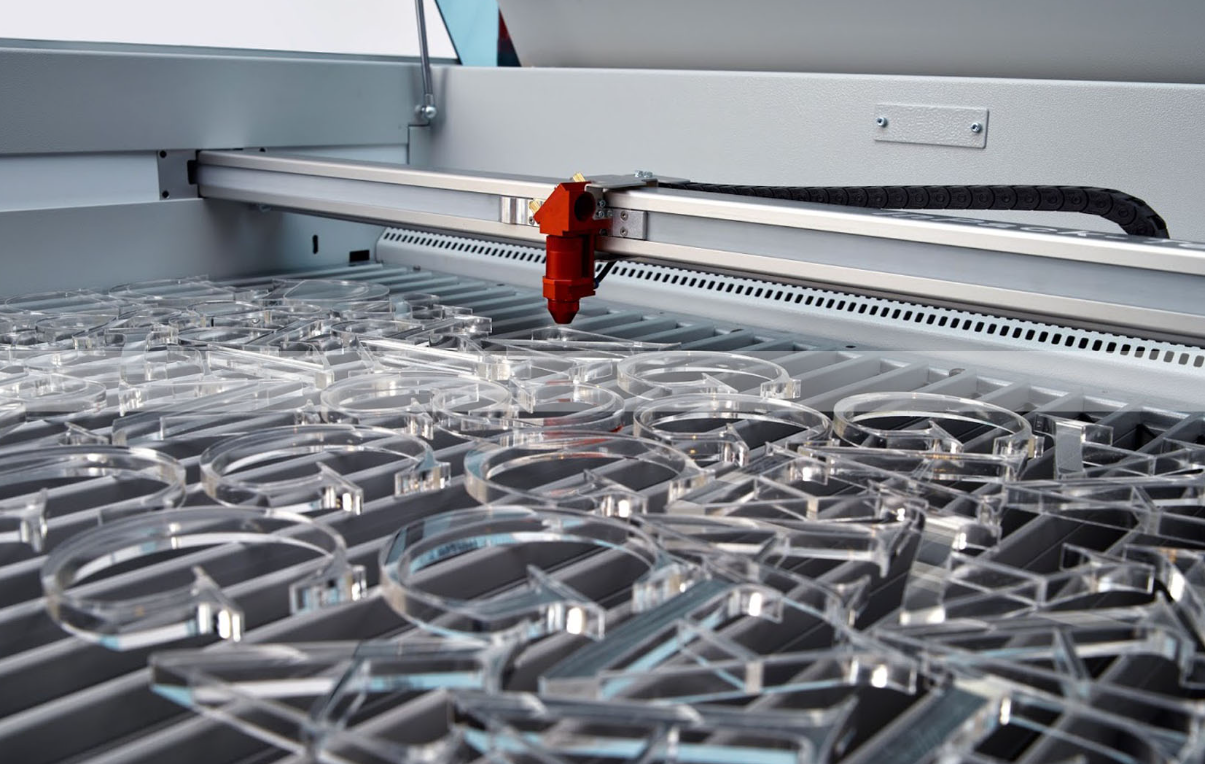
The Ultimate Guide to Using a Laser Cutter for Acrylic Sheets
Acrylic sheets are a versatile material used in a wide range of applications, from signage and displays to artistic creations. One of the most efficient ways to cut and engrave acrylic sheets with precision is by using a laser cutter. In this guide, we will explore the benefits of using a laser cutter for acrylic sheets and provide useful tips for achieving optimal results.
Benefits of Using a Laser Cutter for Acrylic Sheets
Precision: Laser cutters offer unmatched precision when cutting acrylic sheets, allowing you to create intricate designs with clean edges.
Versatility: Laser cutters can cut through acrylic sheets of varying thicknesses, making them suitable for a wide range of projects.
Efficiency: Laser cutting is a fast and efficient process, enabling you to complete projects quickly and accurately.
Customization: With a laser cutter, you can easily customize acrylic sheets by cutting out specific shapes or engraving designs onto the surface.
Tips for Using a Laser Cutter with Acrylic Sheets
Choose the right settings: Adjust the laser power, speed, and frequency settings based on the thickness of the acrylic sheet you are working with.
Use proper ventilation: Acrylic produces fumes when cut with a laser, so ensure proper ventilation in your workspace to maintain air quality.
Test your design: Before cutting into your final acrylic sheet, run a test on a small piece to ensure that your settings are optimized for the desired result.
Clean the edges: After cutting or engraving acrylic sheets, use alcohol or water to clean any residue from the edges for a polished finish.
Conclusion
Laser cutters are invaluable tools for working with acrylic sheets due to their precision, efficiency, and versatility. By following the tips outlined in this guide and experimenting with different settings, you can achieve professional results that bring your creative vision to life.
9 Advantages of Using a Laser Cutter for Acrylic Sheets: Precision, Versatility, and More
- Precise cutting
- Versatility
- Efficiency
- Customization
- Minimal material waste
- Smooth finish
- Complex designs
- Repeatable results
- Reduced risk of damage
7 Drawbacks of Using a Laser Cutter for Acrylic Sheets
- High initial cost of purchasing a laser cutter for acrylic sheet cutting.
- Require regular maintenance and calibration to ensure optimal performance.
- Safety concerns due to the high-powered laser beam used in the cutting process.
- Limited thickness capacity for cutting thicker acrylic sheets compared to other cutting methods.
- May produce sharp edges that require additional finishing or polishing for safety and aesthetic reasons.
- Risk of discoloration or melting of acrylic sheet edges if not cut at the correct settings.
- Noise generated during the laser cutting process can be disruptive in certain environments.
Precise cutting
Laser cutters excel in providing precise cutting for acrylic sheets, guaranteeing clean and accurate edges with high precision. This level of accuracy is essential for creating intricate designs and detailed shapes, making laser cutters the ideal tool for projects that require flawless execution. By harnessing the power of laser technology, users can achieve a level of precision that is unmatched by traditional cutting methods, resulting in professional-quality outcomes that elevate the overall craftsmanship of acrylic sheet applications.
Versatility
The versatility of laser cutters shines through in their ability to effortlessly handle acrylic sheets of different thicknesses. This capability makes laser cutters ideal for a diverse array of projects, whether you’re working on intricate designs requiring thin acrylic sheets or robust structures that call for thicker material. With the flexibility to adapt to various thicknesses, laser cutters empower creators to explore a wide range of possibilities and bring their visions to life with precision and ease.
Efficiency
Laser cutting stands out as a highly efficient method for working with acrylic sheets due to its remarkable speed and precision. This technology enables swift completion of projects, making it an ideal choice for those seeking quick turnaround times without compromising on quality. The ability to cut through acrylic sheets swiftly and accurately not only saves time but also enhances productivity, making laser cutters a valuable tool for a wide range of applications where efficiency is paramount.
Customization
Laser cutters offer unparalleled customization capabilities for acrylic sheets, allowing for effortless creation of intricate shapes and precise engraving designs on the surface. Whether you need to cut out complex patterns or add detailed artwork to your acrylic project, a laser cutter provides the precision and versatility needed to bring your creative vision to life with ease. The ability to customize acrylic sheets with such precision makes laser cutters a valuable tool for artists, designers, and craftsmen looking to elevate their projects to new heights of creativity and sophistication.
Minimal material waste
Laser cutters offer the significant advantage of minimal material waste when working with acrylic sheets. Unlike traditional cutting methods that may result in substantial leftover material, laser cutters precisely target the areas to be cut, minimizing waste and maximizing material efficiency. This not only helps reduce costs associated with material consumption but also contributes to a more sustainable and environmentally friendly approach to manufacturing and crafting with acrylic sheets.
Smooth finish
One of the key advantages of using a laser cutter for acrylic sheets is the smooth finish it provides. Unlike traditional cutting methods that may result in rough or jagged edges, laser cut acrylic sheets boast impeccably smooth edges without requiring additional finishing processes. This clean and polished finish not only enhances the overall aesthetic appeal of the final product but also saves time and resources by eliminating the need for post-cutting refinements.
Complex designs
Laser cutters offer a significant advantage when it comes to creating complex designs on acrylic sheets. Their precision and ability to cut through the material with fine detail allow for intricate patterns and shapes that would be difficult to achieve using traditional cutting tools. Whether it’s intricate filigree work, detailed lettering, or elaborate geometric designs, laser cutters excel in bringing even the most complex visions to life on acrylic sheets with unmatched accuracy and finesse.
Repeatable results
With laser cutters, you can achieve consistent and repeatable results across multiple acrylic sheet cuts. This pro of laser cutting technology ensures that each piece is precisely replicated, allowing for uniformity and accuracy in every project. Whether creating prototypes, mass-producing items, or executing intricate designs, the ability to rely on consistent outcomes streamlines production processes and guarantees high-quality results every time.
Reduced risk of damage
Laser cutting offers a significant advantage in reducing the risk of damage to acrylic sheets when compared to manual or mechanical cutting methods. The precise and controlled nature of laser cutting ensures that the acrylic material is cut cleanly and accurately without the potential for cracks, chips, or other forms of damage that may occur with traditional cutting techniques. This not only results in a higher quality finish but also minimizes material waste, making laser cutting an efficient and reliable choice for working with acrylic sheets.
High initial cost of purchasing a laser cutter for acrylic sheet cutting.
The high initial cost of purchasing a laser cutter for acrylic sheet cutting can be a significant drawback for individuals or businesses looking to invest in this technology. The upfront expense of acquiring a quality laser cutter may pose a financial barrier, especially for those operating on a limited budget. However, it’s essential to consider the long-term benefits and cost savings that a laser cutter can offer in terms of precision, efficiency, and versatility when working with acrylic sheets. Despite the initial investment, the enhanced capabilities and quality results provided by a laser cutter may ultimately outweigh the upfront cost for those seeking top-notch performance in acrylic sheet cutting applications.
Require regular maintenance and calibration to ensure optimal performance.
Regular maintenance and calibration are essential requirements for ensuring the optimal performance of laser cutters when working with acrylic sheets. While these tasks may add to the overall upkeep costs and time investment, they are crucial in maintaining the accuracy and efficiency of the machine. Neglecting proper maintenance can lead to decreased cutting precision, inconsistent results, and potential damage to both the equipment and the acrylic material being processed. Therefore, dedicating time and resources to regular maintenance and calibration is a necessary trade-off for achieving high-quality outcomes in laser cutting projects involving acrylic sheets.
Safety concerns due to the high-powered laser beam used in the cutting process.
Safety concerns arise with laser cutters for acrylic sheets due to the high-powered laser beam utilized in the cutting process. The intense heat generated by the laser can pose a risk of burns if proper precautions are not taken. Additionally, the fumes produced when cutting acrylic sheets with a laser cutter can be harmful if inhaled, necessitating adequate ventilation measures to ensure a safe working environment. It is essential for operators to receive thorough training on handling and operating laser cutters to mitigate these safety risks effectively.
Limited thickness capacity for cutting thicker acrylic sheets compared to other cutting methods.
One significant drawback of using a laser cutter for acrylic sheets is its limited thickness capacity when cutting thicker acrylic sheets compared to other cutting methods. Laser cutters may struggle to efficiently cut through thicker acrylic materials, leading to incomplete cuts or uneven edges. In such cases, alternative cutting methods like sawing or routing may be more suitable for achieving clean and precise cuts on thicker acrylic sheets.
May produce sharp edges that require additional finishing or polishing for safety and aesthetic reasons.
One notable drawback of using a laser cutter for acrylic sheets is that it may produce sharp edges during the cutting process. These sharp edges can pose a safety hazard and may not meet aesthetic standards, requiring additional finishing or polishing. This extra step is necessary to ensure that the edges are smooth and safe to handle, especially in applications where the acrylic sheet will be touched or displayed prominently. Despite this challenge, proper finishing techniques can effectively address this issue and result in a polished final product that meets both safety requirements and aesthetic expectations.
Risk of discoloration or melting of acrylic sheet edges if not cut at the correct settings.
One significant disadvantage of using a laser cutter for acrylic sheets is the risk of discoloration or melting of the edges if not cut at the correct settings. Improper adjustments to the laser power, speed, or frequency can result in excessive heat generation, causing the acrylic sheet to melt or burn. This can lead to unsightly discoloration and compromise the structural integrity of the material. Careful calibration and testing are essential to ensure that the laser cutter operates within the optimal parameters, minimizing the risk of edge damage and preserving the quality of the acrylic sheet.
Noise generated during the laser cutting process can be disruptive in certain environments.
The noise generated during the laser cutting process can be a significant drawback, particularly in environments where noise levels need to be kept to a minimum. The high-pitched sound produced by the laser cutter can be disruptive and may impact the comfort of individuals working nearby or in close proximity to the cutting area. This noise issue may require additional measures such as soundproofing or scheduling cutting tasks during less sensitive times to mitigate its effects on the work environment.
No Responses