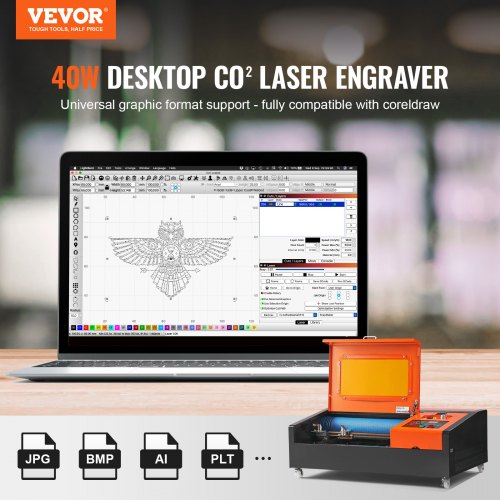
The Power of Desktop CO2 Laser Cutters
In recent years, desktop CO2 laser cutters have revolutionized the way individuals and small businesses approach cutting and engraving tasks. These compact yet powerful machines offer precision cutting capabilities that were once only available in industrial settings.
One of the key advantages of desktop CO2 laser cutters is their versatility. Whether you’re working with wood, acrylic, leather, or even metal, these machines can handle a wide range of materials with ease. This flexibility makes them ideal for a variety of applications, from creating intricate signage to prototyping new product designs.
Another benefit of desktop CO2 laser cutters is their speed and accuracy. Thanks to their high-powered CO2 lasers, these machines can make precise cuts at a rapid pace, allowing you to complete projects quickly and efficiently. This level of precision is especially valuable when working on detailed or intricate designs.
Furthermore, desktop CO2 laser cutters are user-friendly and easy to operate. Many models come equipped with intuitive software that allows users to design projects directly on their computer and then send them to the cutter for processing. This streamlined workflow simplifies the cutting process and reduces the learning curve for beginners.
As technology continues to advance, desktop CO2 laser cutters are becoming more affordable and accessible than ever before. This means that individuals and small businesses can now harness the power of laser cutting technology without breaking the bank. Whether you’re a hobbyist looking to expand your creative possibilities or an entrepreneur seeking to enhance your production capabilities, a desktop CO2 laser cutter could be the perfect tool for bringing your ideas to life.
With their versatility, speed, accuracy, and user-friendly design, desktop CO2 laser cutters are transforming the way we approach cutting and engraving tasks. As these machines continue to evolve and improve, they promise to unlock even greater potential for creativity and innovation in a wide range of industries.
Essential FAQs About Desktop CO2 Laser Cutters: Costs, Materials, Top Devices, and Key Differences
- How much does it cost to run a CO2 laser?
- What materials should you never use in a CO2 laser cutter?
- What is the best CO2 laser device?
- What is the difference between a CO2 laser cutter and a laser cutter?
How much does it cost to run a CO2 laser?
The cost of running a CO2 laser cutter can vary depending on several factors, including the power of the laser, the materials being used, and the frequency of use. Generally, the main expenses associated with operating a CO2 laser cutter include electricity to power the machine, maintenance and replacement of consumable parts such as lenses and tubes, as well as any additional materials needed for cutting or engraving. It’s important to consider these ongoing costs when budgeting for a CO2 laser cutter to ensure efficient and cost-effective operation in the long run.
What materials should you never use in a CO2 laser cutter?
When using a CO2 laser cutter, it is crucial to be mindful of the materials you choose to work with to ensure safety and prevent damage to the machine. There are certain materials that should never be used in a CO2 laser cutter due to their composition, which can release toxic fumes or damage the laser components. Examples of materials that should be avoided include PVC or vinyl, as they can release harmful chlorine gas when cut. Similarly, materials such as polycarbonate and fiberglass can produce hazardous fumes when exposed to the high temperatures of the laser beam. It is essential to consult the manufacturer’s guidelines and exercise caution when selecting materials for cutting or engraving with a CO2 laser cutter to maintain a safe working environment and prolong the lifespan of the machine.
What is the best CO2 laser device?
When it comes to determining the best CO2 laser device, several factors come into play. The “best” device can vary depending on individual needs and preferences. Some key considerations include power output, cutting and engraving capabilities, software compatibility, build quality, customer support, and overall value for the price. It’s essential to research different models, read reviews from users, and possibly even test out devices before making a decision to ensure that you find the CO2 laser device that best suits your specific requirements and budget.
What is the difference between a CO2 laser cutter and a laser cutter?
When comparing a CO2 laser cutter to a laser cutter in general, the key distinction lies in the type of laser technology used. A CO2 laser cutter specifically utilizes a carbon dioxide gas mixture as the medium to generate the laser beam for cutting and engraving materials. This type of laser is known for its versatility and ability to work with a wide range of materials, including wood, acrylic, leather, and more. On the other hand, a generic term “laser cutter” may refer to any machine that uses laser technology for cutting purposes, which can include different types of lasers such as fiber lasers or diode lasers. While all laser cutters share the common principle of using focused light beams to cut through materials, the specific type of laser used can impact factors such as cutting speed, precision, and suitability for different materials.
No Responses