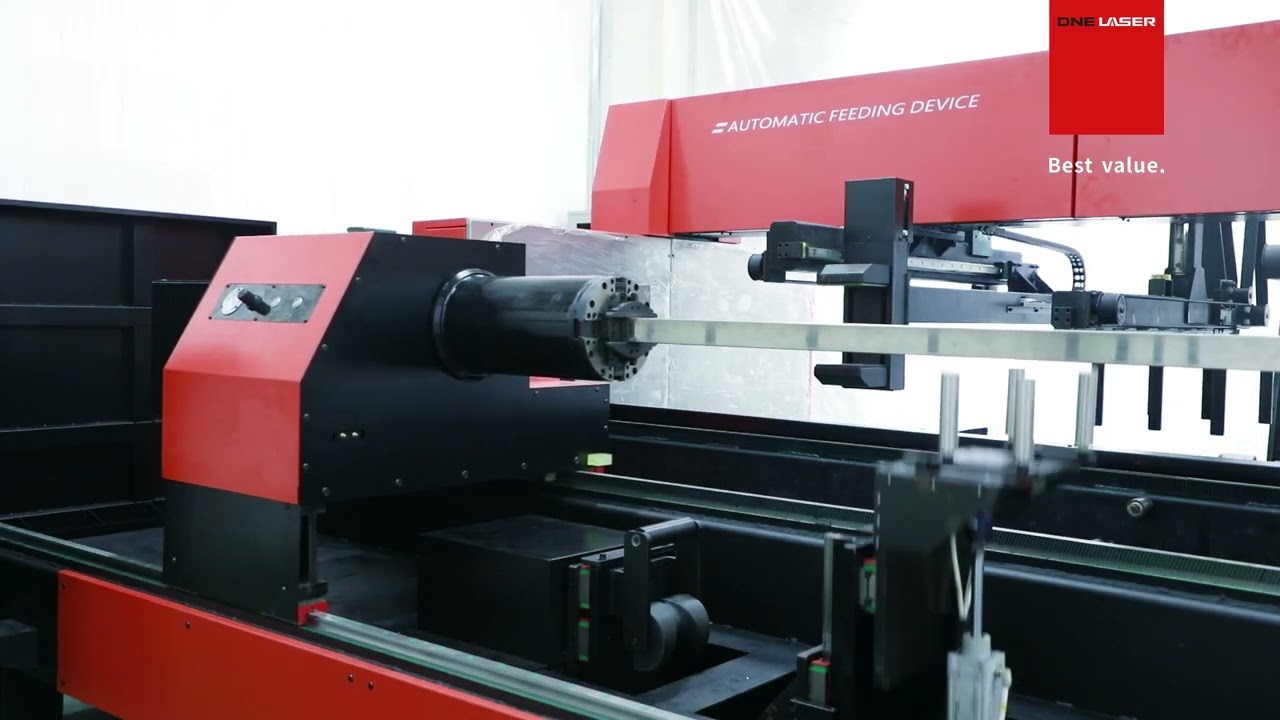
CNC Laser Tube Cutting Machines: A Guide to Precision and Productivity
A CNC laser tube cutting machine uses a computer-controlled laser to cut, shape, and process metal tubes and profiles. By combining automated motion with a focused beam of light, the machine can create accurate cuts and complex features with minimal manual handling. It is used in industries ranging from automotive manufacturing to furniture production.
How a CNC Laser Tube Cutting Machine Works
The process begins with a digital design or cutting program. CNC software translates the design into instructions that control the laser head, tube rotation, and material feed. The tube is held and positioned by the machine while the laser cuts along the programmed path.
Depending on the machine and application, the laser may process round, square, rectangular, or other profile shapes. It can perform operations such as cutting to length, creating slots and holes, forming notches, and preparing ends for assembly. Some systems also include automatic loading and unloading to reduce operator handling.
Key Benefits
- Precision: Computer-controlled cutting helps produce consistent parts and detailed features.
- Efficient production: Multiple cutting operations can often be completed in one setup, reducing the need for secondary processing.
- Design flexibility: Programmable cutting paths make it easier to produce intricate shapes and update designs.
- Material efficiency: Nesting software can arrange parts to help reduce scrap, depending on the job and material.
- Repeatability: Once a program is set up and verified, it can help maintain consistency across production runs.
- Reduced manual work: Automation can limit repetitive measuring, marking, and handling tasks.
Common Applications
CNC laser tube cutting machines are used to manufacture components for a variety of products and structures. Common applications include:
- Automotive frames, exhaust components, and structural parts
- Metal furniture, shelving, and display systems
- Construction and architectural components
- Agricultural and industrial equipment
- Fitness equipment and recreational products
- Railings, supports, and other fabricated assemblies
What to Consider When Choosing a Machine
The right machine depends on the materials, part sizes, production requirements, and available workspace. Before selecting a system, consider the following:
- Material and wall thickness: Confirm that the machine is suitable for the types and thicknesses of material you plan to cut.
- Tube dimensions: Check the supported length, diameter, and profile shapes.
- Laser source and power: These affect cutting capability and processing speed, but should be matched to the actual workload.
- Automation: Automatic loading, unloading, and material handling may be valuable for high-volume production.
- Software: Look for compatible design and nesting tools that fit your workflow and operators’ experience.
- Support and maintenance: Training, technical assistance, spare parts, and service availability can affect long-term productivity.
- Total operating cost: Include installation, energy use, consumables, maintenance, and training—not just the purchase price.
Safety and Maintenance
Laser tube cutting equipment requires appropriate safeguards and trained operators. Follow the manufacturer’s operating instructions, use required enclosures and protective systems, and ensure that ventilation or fume extraction is suitable for the materials being processed. Operators should also receive training in machine controls, material handling, and emergency procedures.
Routine maintenance may include inspecting optics and protective windows, checking assist-gas systems, cleaning the work area, and following scheduled service procedures. Regular inspections help maintain cutting quality and identify issues before they disrupt production.
Conclusion
A CNC laser tube cutting machine can help manufacturers produce accurate, repeatable parts while streamlining tube and profile fabrication. The best results come from matching the machine’s capabilities to the materials, part designs, and production goals. With suitable programming, operator training, and maintenance, laser tube cutting can be a valuable part of a modern manufacturing process.
CNC Laser Tube Cutting Machines: 8 FAQs on Costs, Capabilities, and Top Brands
- Who makes the best tube laser?
- Can you laser cut tubing?
- Is laser cutting cheaper than CNC?
- How much does a laser tube cutter cost?
- How much does a CNC laser cutting machine cost?
- What is the best laser cutting machine for tubes?
- What is a tube laser cutter?
- How much does a tube laser cost?
Who makes the best tube laser?
The best tube laser depends on your materials, part sizes, production volume, budget, and service needs—there isn’t one manufacturer that suits every shop. Compare machines by their cutting capacity, accuracy, automation options, software, safety features, and support, and ask vendors for sample cuts using your own designs and materials. Reviewing warranty terms, operator training, parts availability, and total operating costs can help you choose a tube laser that fits your needs over the long term.
Can you laser cut tubing?
Yes, tubing can be laser cut using a CNC laser tube cutting machine. The machine holds and rotates the tube while a focused laser cuts it to length or creates features such as holes, slots, notches, and angled ends. Many systems can process round, square, and rectangular tubing, but the materials, tube dimensions, and wall thickness must be compatible with the machine’s capabilities.
Is laser cutting cheaper than CNC?
Laser cutting is a type of CNC (computer numerical control) cutting, so the two aren’t mutually exclusive. Compared with other CNC methods, such as milling or plasma cutting, laser cutting may cost less for thin-walled tubes and complex profiles because it can cut quickly with little tooling or secondary finishing. However, the machine’s purchase price, material type and thickness, production volume, energy use, and maintenance all affect the total cost. The most economical method depends on the specific parts and production requirements.
How much does a laser tube cutter cost?
The cost of a CNC laser tube cutter varies based on laser power, cutting capacity, automation, software, and support options. Entry-level systems may cost tens of thousands of dollars, while industrial machines with higher capacity and automated loading can cost several hundred thousand dollars or more. When comparing prices, consider installation, training, maintenance, consumables, and shipping, as well as the machine’s purchase price.
How much does a CNC laser cutting machine cost?
The cost of a CNC laser tube cutting machine can range from tens of thousands of dollars to several hundred thousand, depending on factors such as laser power, tube size and capacity, cutting speed, automation level, software, and service support. Entry-level systems generally cost less, while high-power machines with automatic loading and unloading or other advanced features require a larger investment. For an accurate estimate, compare machines based on your materials, production volume, and required features, and request a quote that includes installation, training, and ongoing maintenance costs.
What is the best laser cutting machine for tubes?
The best laser cutting machine for tubes depends on your materials, tube sizes, production volume, and budget. For many industrial applications, a CNC fiber laser tube cutting machine is a strong choice because it can process common metals such as steel, stainless steel, and aluminum with precision and speed. Compare each model’s cutting capacity, supported tube shapes and dimensions, laser power, automation features, software, safety systems, service, and operating costs. The right machine is one that reliably handles your typical jobs—not simply the one with the highest power or the most features.
What is a tube laser cutter?
A tube laser cutter is a machine that uses a focused laser beam to cut metal tubes and profiles according to a computer-controlled design. It can process shapes such as round, square, and rectangular tubing, creating precise cuts, holes, slots, and notches. CNC controls coordinate the laser and material movement, helping produce consistent parts with less manual handling than many traditional cutting methods.
How much does a tube laser cost?
The cost of a CNC tube laser cutting machine varies widely, typically ranging from tens of thousands of dollars for a basic or compact system to several hundred thousand dollars for a high-power, fully automated production line. The final price depends on factors such as laser power, tube size and capacity, loading and unloading automation, software, and service options. Installation, training, shipping, and ongoing maintenance may add to the total cost, so compare complete quotes based on your materials and production needs.
No Responses