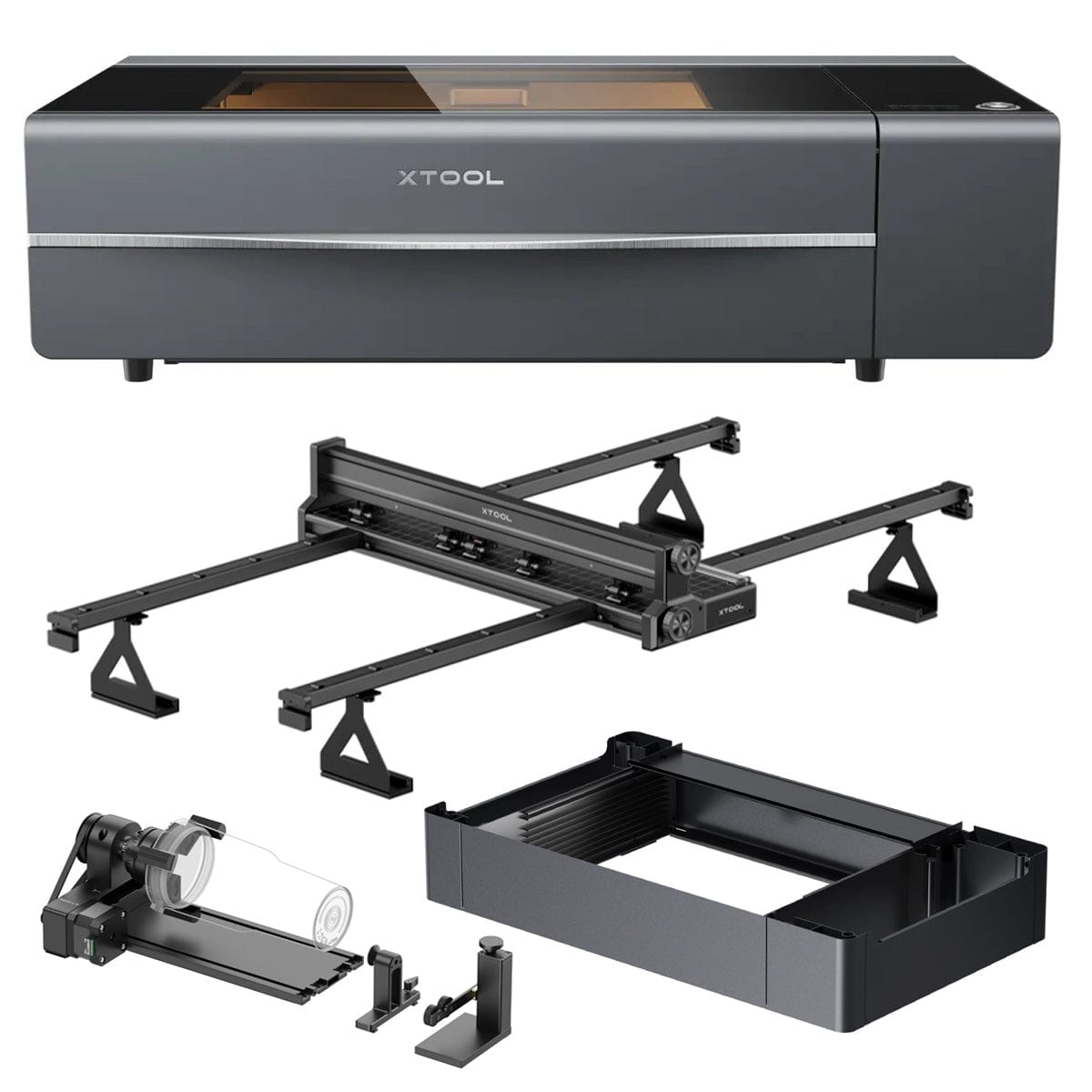
CO2 Laser Machine: How It Works, What It Can Do, and How to Choose One
A CO2 laser machine is a versatile tool used to cut, engrave, and mark a wide range of nonmetal materials. Common in workshops, manufacturing facilities, schools, and sign shops, these machines use a carbon dioxide gas laser to produce a concentrated beam of infrared light. The beam can remove or heat material with precision, making it useful for both detailed designs and larger production jobs.
How Does a CO2 Laser Machine Work?
A CO2 laser machine generates its beam inside a laser tube containing a gas mixture, primarily carbon dioxide, along with other gases. Electrical energy excites the gas, producing infrared light. Mirrors direct the beam through the machine and into a focusing lens, which concentrates it onto a small area of the material.
The focused beam heats the surface quickly. Depending on the material, settings, and machine configuration, it can cut through the material, engrave its surface, or create a mark. A motion system moves the laser head or workpiece according to a digital design. Many machines are controlled through software that lets users set details such as speed, power, and the path of the laser.
Materials a CO2 Laser Can Process
CO2 laser machines are especially effective on many nonmetal materials. Common examples include:
- Wood, plywood, and some engineered wood products
- Acrylic and other suitable plastics
- Paper, cardboard, and fabric
- Leather and cork
- Rubber made for laser engraving
- Glass, typically for surface engraving
Not every material is suitable for laser processing. Some plastics can release hazardous fumes, and certain materials may ignite, melt unpredictably, or damage the machine. Always check the material composition and the manufacturer’s guidance before processing it. Never cut or engrave unknown materials.
Common Uses
CO2 laser machines are used across a range of industries and projects. Businesses use them to make signs, displays, packaging prototypes, decorative panels, and custom products. They can also engrave names, logos, patterns, and other designs onto compatible materials.
In manufacturing and product development, a CO2 laser can help create prototypes and cut parts from sheet materials. In education and hobby settings, it can be used for model-making, crafts, and design projects. The exact capabilities depend on the machine’s work area, laser power, motion system, and compatible software.
Benefits of a CO2 Laser Machine
- Fine detail: A focused beam can reproduce intricate designs and small text when the material and settings are appropriate.
- Versatility: One machine can often perform both cutting and engraving tasks.
- Repeatability: Digital files make it easier to reproduce designs consistently.
- Contact-free processing: The laser works without a cutting tool pressing against the material.
- Flexible production: Users can create one-off custom pieces or repeat jobs in batches.
What to Consider When Choosing a CO2 Laser
The right machine depends on the materials, project size, and expected workload. Consider these factors before buying:
- Work area: Make sure the bed can accommodate the largest items you expect to process.
- Laser power: Power affects cutting capability and processing speed, but results also depend on the material, optics, and machine design.
- Motion and positioning: A stable frame and reliable motion system can support consistent results.
- Software compatibility: Check that the machine works with the design and operating software you plan to use.
- Ventilation: Laser processing can produce smoke and fumes. Confirm that the machine can be connected to an appropriate exhaust system.
- Support and maintenance: Ask about technical support, replacement parts, training, and routine service requirements.
- Total cost: Include installation, ventilation, safety equipment, consumables, and maintenance—not just the purchase price.
Safety and Maintenance
A CO2 laser machine should be operated only with suitable safeguards and according to its manual. Use the enclosure and interlocks as intended, and never bypass safety features. Provide appropriate ventilation or filtration, keep the work area clear of flammable materials, and monitor the machine while it is running. Laser processing can create fire hazards, especially when cutting combustible materials.
Routine care can help maintain performance. Depending on the model, this may include cleaning optics, checking alignment, inspecting the exhaust system, removing debris, and monitoring cooling components. Follow the manufacturer’s maintenance schedule, and switch off and isolate the machine before performing service that requires access to internal components.
Is a CO2 Laser Machine Right for You?
A CO2 laser machine can be a practical choice for businesses and makers who need precise cutting or engraving on compatible nonmetal materials. Before choosing a model, identify the materials you plan to use, the size and volume of your projects, and the safety and ventilation requirements of your workspace. With the right setup and careful operation, a CO2 laser can support everything from custom engraving to repeatable production work.
Essential FAQs About CO2 Laser Machines: Functionality, Capabilities, and Maintenance
- What is a CO2 laser machine, and how does it work?
- What materials can a CO2 laser machine cut or engrave?
- Can a CO2 laser machine cut metal?
- How much power do I need for a CO2 laser machine?
- How much does a CO2 laser machine cost?
- What safety precautions are needed when using a CO2 laser machine?
- How do I maintain and troubleshoot a CO2 laser machine?
What is a CO2 laser machine, and how does it work?
A CO₂ laser machine uses a laser tube filled with carbon dioxide and other gases to produce an infrared beam. Electrical energy excites the gas, creating light that is directed by mirrors and focused through a lens onto the material. The concentrated heat can cut through or engrave compatible materials, such as wood, acrylic, paper, and fabric, while computer-controlled movement guides the beam along a design.
What materials can a CO2 laser machine cut or engrave?
A CO2 laser machine can cut or engrave many nonmetal materials, including wood, plywood, acrylic, paper, cardboard, fabric, leather, cork, and laser-safe rubber. It can also engrave the surface of glass, though it generally does not cut glass. Results depend on the material’s type and thickness, as well as the machine’s power and settings. Always confirm that a material is laser-safe before processing it, since some plastics and treated materials can release hazardous fumes or create a fire risk.
Can a CO2 laser machine cut metal?
A standard CO2 laser machine generally cannot cut bare metal effectively because metal reflects much of the laser’s energy and conducts heat away quickly. It may engrave or mark coated, painted, or anodized metal by affecting the surface layer, and specialized high-power CO2 systems can cut some metals under specific conditions. For reliable metal cutting, a fiber laser is usually the better choice; always check the machine’s specifications and use materials and settings approved by its manufacturer.
How much power do I need for a CO2 laser machine?
The power you need for a CO2 laser machine depends on the materials you’ll process, their thickness, and how quickly you want to work. A 40–60-watt machine is often suitable for engraving and cutting thin materials, while 80–100 watts can offer more flexibility for thicker materials and faster production. Higher-powered machines may be a better fit for frequent or demanding cutting jobs, but wattage alone doesn’t determine performance—optics, machine design, material type, and ventilation matter too. Check the manufacturer’s cutting specifications for the materials and thicknesses you plan to use.
How much does a CO2 laser machine cost?
The cost of a CO2 laser machine varies widely by size, power, build quality, and features. Entry-level desktop models may cost around $500 to $3,000, while larger or more powerful machines commonly range from several thousand dollars to $10,000 or more; industrial systems can cost tens of thousands. Remember to budget for extras such as ventilation or filtration, a chiller, software, installation, and maintenance, as these can add significantly to the total cost.
What safety precautions are needed when using a CO2 laser machine?
When using a CO2 laser machine, follow the manufacturer’s instructions and keep all covers, interlocks, and other safety features in place—never bypass them. Use appropriate ventilation or filtration to remove smoke and fumes, and process only materials confirmed safe for laser use. Stay near the machine while it is running, keep flammable items away, and have suitable fire-safety equipment nearby. Avoid looking directly at the laser beam, use protective equipment as specified by the manufacturer, and turn off and disconnect the machine before cleaning or maintenance.
How do I maintain and troubleshoot a CO2 laser machine?
To maintain a CO2 laser machine, follow the manufacturer’s service schedule and regularly clean the optics, rails, and work area; check that mirrors are aligned, cooling is working properly, and the exhaust system is clear. Always power down the machine before cleaning or inspecting components, and never bypass safety features. If cutting or engraving becomes uneven, first check the material placement, focus, lens cleanliness, and alignment, then verify the software settings and cooling or ventilation systems. Consult the manual for error codes and service procedures, and contact a qualified technician if the problem persists or involves electrical components, the laser tube, or internal repairs.
No Responses