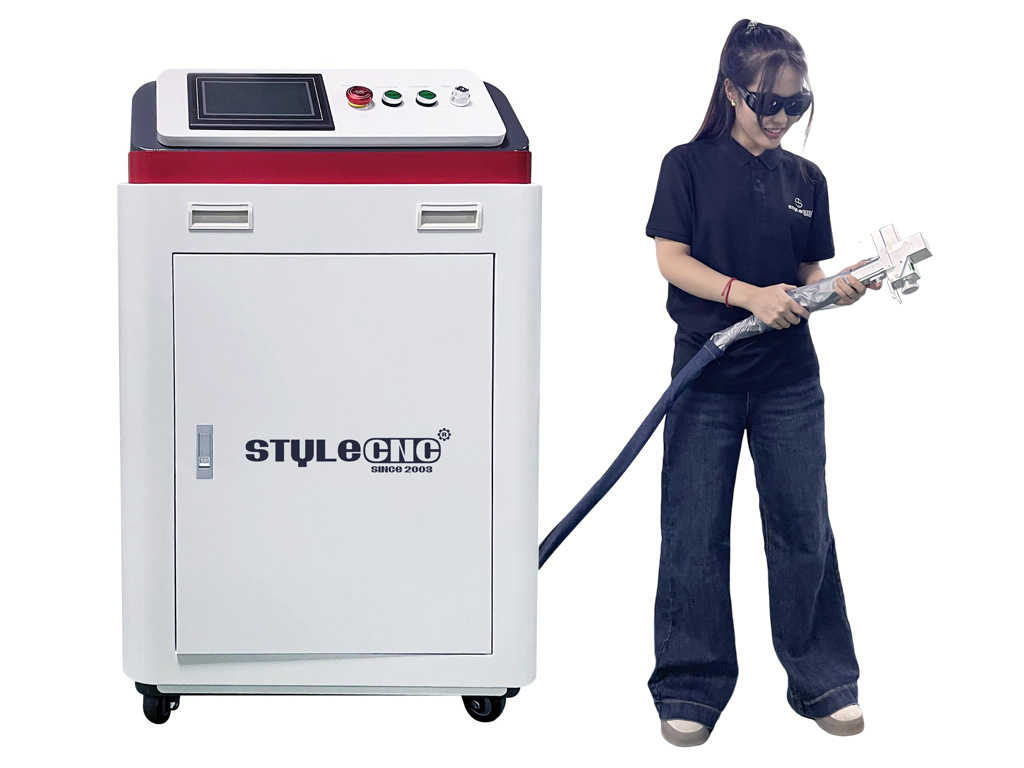
Industrial Laser Cleaning Machines: A Modern Approach to Surface Preparation
Industrial laser cleaning machines use focused light energy to remove rust, paint, oil, oxide layers, and other unwanted material from a surface. Unlike abrasive blasting or chemical cleaning, laser cleaning can reduce the need for consumables and may help preserve the underlying material when the process is properly configured.
As manufacturers look for precise, efficient, and more controlled ways to prepare and maintain parts, laser cleaning has become an option across a range of industries. Choosing the right system depends on the material, the type of contaminant, production requirements, and workplace safety needs.
How Does Laser Cleaning Work?
A laser cleaning machine directs short or continuous pulses of laser energy onto a surface. Contaminants absorb the energy and are removed through processes such as vaporization, thermal expansion, or the breaking of bonds between the contaminant and the base material. The exact process depends on the laser source, settings, surface, and material being removed.
Laser cleaning is often described as a non-contact process because the laser does not physically scrub the surface. However, this does not mean it is suitable for every material or that it cannot affect the substrate. Incorrect settings or poor process control can discolor, roughen, or otherwise damage a surface. Testing is an important step before full-scale use.
Common Industrial Applications
Industrial laser cleaning machines can be used for a variety of surface-treatment tasks, including:
- Rust removal: Cleaning corrosion from metal components, tools, and equipment.
- Paint and coating removal: Removing selected coatings during refurbishment or before recoating.
- Weld preparation and post-treatment: Cleaning surfaces before welding or removing residue after a process.
- Mold and tooling maintenance: Removing residue from molds and production tooling.
- Oil and grease removal: Preparing parts for inspection, bonding, welding, or finishing.
- Selective cleaning: Removing a specific layer or contaminant while minimizing disturbance to nearby areas.
Applications vary by industry, including automotive manufacturing, aerospace, shipbuilding, rail, energy, metal fabrication, and restoration. Suitability should be confirmed for the specific material and cleaning task.
Potential Benefits
Precise, Controlled Cleaning
Laser parameters can be adjusted to suit different materials and contaminants. This can make the process useful for localized cleaning or for jobs where surrounding areas need to be protected.
Reduced Abrasive Waste
Because the process does not rely on blasting media, it can reduce the handling and disposal of spent abrasive. Depending on the application, it may also reduce the use of chemical cleaners. Removed material still needs to be captured and managed appropriately.
Less Tool Contact
Laser cleaning does not require a brush or abrasive tool to press against the part. This can be helpful when cleaning complex shapes or components where mechanical contact is undesirable.
Automation Potential
Some systems can be integrated with robotic arms, conveyor lines, or other production equipment. Automation may improve repeatability and throughput for suitable high-volume processes.
What to Consider When Choosing a Machine
There is no single laser cleaning machine that is ideal for every application. Before selecting equipment, evaluate the following factors:
- Material and contaminant: Identify the base material and the type, thickness, and condition of the layer to be removed.
- Cleaning area and geometry: Consider whether the job involves small components, large structures, intricate shapes, or hard-to-reach areas.
- Required speed: Compare the machine’s working speed with production targets, while allowing time for setup and inspection.
- Power and operating mode: Different laser sources and configurations suit different cleaning requirements. Higher power is not automatically the best choice.
- Portability and integration: Decide whether the system must move between work areas or operate as part of a fixed production line.
- Service and training: Review available technical support, operator training, maintenance requirements, and spare-parts access.
- Testing and validation: Ask for sample trials using representative parts and contaminants before making a purchase.
Safety and Environmental Controls
Industrial laser cleaning equipment can present serious hazards. Many systems use high-powered lasers that can injure eyes or skin, including through reflected beams. The equipment should be operated only by trained personnel under procedures appropriate to the specific laser and workplace.
Safety planning may include a controlled laser area, suitable barriers or enclosures, interlocks, warning signs, access controls, and laser-rated protective eyewear selected for the system’s wavelength and operating conditions. A qualified laser safety professional should help determine the required controls. Ordinary safety glasses are not a substitute for laser-rated protection.
Cleaning can also create airborne particles, fumes, or gases from the material being removed. Appropriate local exhaust ventilation and filtration may be necessary, particularly when working with coatings, metals, or unknown substances. Employers should assess the hazards of both the contaminant and the material being cleaned, and follow applicable workplace regulations and equipment guidance.
Is Laser Cleaning Right for Your Operation?
An industrial laser cleaning machine can be a valuable alternative to conventional cleaning methods when precision, reduced abrasive use, or process automation is important. Its effectiveness depends on matching the equipment and settings to the part, contaminant, and production environment.
Start with a clearly defined cleaning goal, test representative samples, and assess safety and ventilation requirements before introducing the process. With the right equipment and controls, laser cleaning can support consistent surface preparation and maintenance across many industrial applications.
Essential Safety Tips for Operating Industrial Laser Cleaning Machines
- Wear laser-rated eye protection for the machine’s wavelength.
- Use the machine only after proper training.
- Follow the manufacturer’s operating instructions.
- Enclose the work area and post laser warning signs.
- Keep people and reflective objects out of the beam path.
- Use local exhaust ventilation to capture fumes and dust.
- Test settings on a small, low-risk area first.
- Inspect cables, optics, and safety interlocks before use.
- Shut down and lock out power before servicing.
Wear laser-rated eye protection for the machine’s wavelength.
Always wear laser-rated eye protection specifically matched to your industrial laser cleaning machine’s wavelength and operating conditions. Standard safety glasses do not provide adequate protection from direct or reflected laser beams, which can cause serious eye injuries. Follow the manufacturer’s guidance and your workplace laser safety procedures, and make sure everyone in the controlled work area uses the required protection.
Use the machine only after proper training.
Use an industrial laser cleaning machine only after receiving proper training. Operators should understand the equipment’s controls, operating procedures, and safety requirements before starting work. Training helps prevent injuries, equipment damage, and improper cleaning results.
Follow the manufacturer’s operating instructions.
Always follow the industrial laser cleaning machine manufacturer’s operating instructions. The manual explains how to set up and use the equipment correctly, including recommended settings, maintenance procedures, and required safety precautions. Proper training and adherence to these instructions can help prevent equipment damage, protect operators, and ensure consistent cleaning results.
Enclose the work area and post laser warning signs.
Enclose the laser cleaning work area to help prevent unauthorized access and limit exposure to direct or reflected laser beams. Post clearly visible laser warning signs at entrances and around the controlled area so workers and visitors know when laser operations are underway. Use appropriate barriers, access controls, and safety procedures based on the equipment and workplace risk assessment.
Keep people and reflective objects out of the beam path.
Keep people and reflective objects out of the laser beam path whenever an industrial laser cleaning machine is operating. Direct or reflected laser energy can cause serious eye or skin injuries, so restrict access to the work area and remove reflective items such as loose metal tools, jewelry, or polished scrap. Use appropriate barriers and follow the machine manufacturer’s safety procedures to help prevent accidental exposure.
Use local exhaust ventilation to capture fumes and dust.
Use local exhaust ventilation (LEV) to capture fumes and dust at the source during laser cleaning. Removing airborne contaminants as they are generated helps reduce workers’ exposure and keeps particles from spreading through the work area. Choose and position the extraction system for the materials being cleaned, and maintain filters and airflow according to the equipment manufacturer’s instructions and applicable workplace safety requirements.
Test settings on a small, low-risk area first.
Before cleaning an entire part, test the laser settings on a small, low-risk area. Start with conservative settings and check whether the contaminant is removed without discoloring, roughening, or damaging the underlying material. Adjust the parameters gradually, and inspect the test area before proceeding. This simple step can help identify the right settings for the material and cleaning task while reducing the risk of costly rework.
Inspect cables, optics, and safety interlocks before use.
Before operating an industrial laser cleaning machine, inspect the cables, optics, and safety interlocks for damage, dirt, or signs of wear. Check that cables are secure and intact, clean optics only according to the manufacturer’s instructions, and confirm that interlocks function properly and prevent operation when guards or access panels are open. Never bypass a safety feature; if anything appears damaged or does not work as intended, stop and have the machine checked by a qualified technician.
Shut down and lock out power before servicing.
Before servicing an industrial laser cleaning machine, shut it down and follow your facility’s lockout/tagout procedure to isolate all power sources. Verify that the machine cannot restart and that stored energy has been safely discharged before beginning work. Only authorized, trained personnel should perform maintenance, following the manufacturer’s instructions and workplace safety requirements.
No Responses