CNC Laser Cutter Price: What to Expect Before You Buy
The price of a CNC laser cutter can range from a few hundred dollars to several hundred thousand dollars. The difference comes down to factors such as laser type, power, work area, cutting speed, automation, and the materials you plan to process.
Before comparing models, define what you need the machine to do. A small laser for engraving wood and craft materials has very different requirements from an industrial system designed to cut thick metal all day. The price ranges below are general U.S. estimates; actual prices vary by manufacturer, configuration, shipping, and installation.
Typical CNC Laser Cutter Price Ranges
| Machine type | Typical price range | Common applications |
|---|---|---|
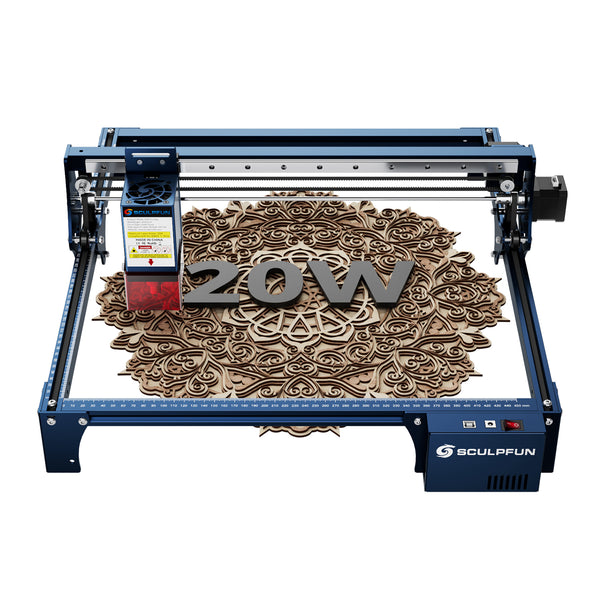
| Entry-level diode laser | $300–$3,000 | Hobby projects, light engraving, and thin materials |
| Desktop CO2 laser | $2,000–$10,000 | Wood, acrylic, leather, paper, and small-business work |
| Commercial CO2 laser | $10,000–$100,000+ | Higher-volume production and larger nonmetal parts |
| Industrial fiber laser cutter | $30,000–$500,000+ | Cutting sheet metal and other compatible metals |
These categories are not interchangeable. For example, many diode and CO2 machines are suited to nonmetal materials, while fiber laser systems are commonly used for metal processing. Check the machine’s specifications and material compatibility before purchasing.
What Affects the Price?
Laser type and power
The laser source is one of the biggest cost factors. Diode lasers are often the most affordable, but they generally have limitations in cutting speed and material thickness. CO2 lasers are widely used for cutting and engraving many nonmetal materials. Fiber lasers are designed for metal applications and can cost substantially more, especially at higher power levels.
More power can improve cutting speed or allow a machine to process thicker material, but it is not automatically the best choice. Consider the materials and thicknesses you expect to handle, as well as how often the machine will run.
Work area and machine construction
A larger bed can handle bigger sheets or multiple parts in one job, but it usually increases the machine’s price and footprint. Frame rigidity, motion components, enclosure design, and build quality also affect cost. A machine intended for regular production may be built differently from a compact unit designed for occasional use.
Controls, software, and automation
Included design and control software can make a machine easier to operate. Features such as autofocus, cameras, rotary attachments, pass-through doors, automatic material handling, and integrated exhaust systems can add to the upfront price. They may also reduce setup time or improve productivity, depending on the application.
Support, warranty, and parts
Training, technical support, warranty coverage, and access to replacement parts can be important parts of the purchase. A lower-priced machine may not include the same level of service as a commercial system. Compare what is covered, how support is delivered, and whether common consumables are readily available.
Budget for More Than the Machine
The listed purchase price may not include everything needed to install and operate a CNC laser cutter. Depending on the model and your workspace, additional costs can include:
- Shipping, delivery, and installation
- Ventilation, exhaust filtration, or ducting
- Chillers or other cooling equipment
- Air-assist equipment and compressors
- Electrical upgrades
- Protective enclosures and required safety equipment
- Replacement lenses, mirrors, nozzles, filters, or other consumables
- Software, training, and ongoing maintenance
For a business, it is also useful to account for downtime, operator training, and the cost of materials used for testing and production. Review the manufacturer’s installation requirements and local safety rules before choosing a machine.
How to Choose the Right Price Point
Start by listing the materials you plan to cut or engrave, their maximum thickness, the size of your typical parts, and your expected production volume. Then compare machines based on those needs rather than choosing by price or laser power alone.
- Confirm material compatibility. Make sure the laser type is suitable for your materials. Some materials can produce hazardous fumes or are not appropriate for laser processing.
- Check the usable work area. Consider the size of your largest job and whether you need to process multiple parts at once.
- Compare real operating costs. Look at consumables, maintenance intervals, energy use, and service availability.
- Review the complete package. Verify what is included, from software and accessories to installation and training.
- Ask for a sample or demonstration. If possible, test the machine with your materials and representative jobs before making a decision.
Is a More Expensive CNC Laser Cutter Worth It?
A higher-priced machine may be worthwhile when it offers the capacity, speed, reliability, or support your work requires. For a hobbyist or occasional user, a compact entry-level system may be sufficient. A business with demanding production schedules may benefit from a larger machine, stronger service coverage, and features that reduce manual work.
The best CNC laser cutter is not necessarily the most powerful or the least expensive. It is the one that safely and reliably handles your materials, fits your workspace, and makes financial sense for the way you plan to use it.
Final Thoughts
CNC laser cutter prices vary widely because the machines serve different purposes. Entry-level diode models may cost a few hundred dollars, while commercial and industrial systems can require an investment of tens or hundreds of thousands. Compare the full cost of ownership—not just the sticker price—and choose a system based on your materials, workload, workspace, and support needs.
5 Reasons CNC Laser Cutter Prices Fit Any Budget
- Prices suit a range of budgets.
- Entry-level models make CNC laser cutting more accessible.
- Higher-priced machines offer more power and capacity.
- Comparing features helps buyers find better value.
- Clear pricing makes budgeting easier.
Understanding the Hidden Costs of CNC Laser Cutters: What to Consider Before Investing
- High upfront cost for commercial models.
- Installation and ventilation add expenses.
- Replacement parts and maintenance increase long-term costs.
- Budget machines may lack power, speed, or support.
Prices suit a range of budgets.
CNC laser cutter prices suit a range of budgets, making the technology accessible to everyone from hobbyists and small businesses to large manufacturers. Entry-level models can be an affordable way to start engraving or cutting, while more advanced machines offer greater power, capacity, and production speed at a higher price. With options across multiple price points, buyers can choose a machine that fits their needs and budget.
Entry-level models make CNC laser cutting more accessible.
Entry-level CNC laser cutters make the technology more accessible to hobbyists, small businesses, and beginners who may not have the budget for industrial equipment. With a lower upfront cost, users can explore cutting and engraving, create custom products, or test a business idea without making a major investment. While these models may have limits in cutting power, work area, and production speed, they can be a practical starting point for learning the process and building skills.
Higher-priced machines offer more power and capacity.
One advantage of investing in a higher-priced CNC laser cutter is the increased power and capacity it can offer. More powerful machines can often cut thicker materials and complete jobs faster, while a larger work area accommodates bigger pieces or multiple parts in a single run. For businesses with demanding workloads, these capabilities can improve productivity and expand the range of projects the machine can handle.
Comparing features helps buyers find better value.
Comparing features across CNC laser cutters helps buyers find better value for their budget. Looking beyond the sticker price to factors like laser power, work area, cutting speed, software, included accessories, warranty, and support makes it easier to see what each machine offers. A model that costs more upfront may save time or reduce ongoing expenses, while a lower-priced option may be the better fit for simpler projects.
Clear pricing makes budgeting easier.
Clear, upfront CNC laser cutter pricing makes it easier to plan your budget and compare options. When you know the machine’s cost—and which features, accessories, and services are included—you can estimate your initial investment more accurately and avoid unexpected expenses. This helps you choose a cutter that fits both your production needs and your budget.
High upfront cost for commercial models.
Commercial CNC laser cutters can require a significant upfront investment, especially models built for high-volume production or cutting thicker materials. Beyond the machine itself, buyers may also need to budget for installation, ventilation, cooling equipment, training, and safety upgrades. These costs can be challenging for small businesses, so it’s important to compare the full setup cost with expected production needs and potential returns before purchasing.
Installation and ventilation add expenses.
Installation and ventilation can add significantly to the total cost of a CNC laser cutter. Depending on the machine, you may need professional setup, electrical upgrades, ductwork, an exhaust fan, or a filtration system to remove smoke and fumes. These requirements vary by laser type, workspace, and local safety rules, so check what’s included in the purchase price and budget for any additional equipment or installation before buying.
Replacement parts and maintenance increase long-term costs.
Replacement parts and maintenance can add significantly to the long-term cost of a CNC laser cutter. Components such as lenses, mirrors, laser tubes, filters, and cooling system parts may need regular cleaning, servicing, or replacement, depending on machine type and usage. Downtime and technician fees can also affect operating costs, so it’s important to check parts availability, maintenance requirements, and warranty coverage before buying.
Budget machines may lack power, speed, or support.
One drawback of choosing a budget CNC laser cutter is that the lower price may come with trade-offs in power, speed, or support. A less powerful machine may struggle with thicker materials or take longer to complete jobs, limiting productivity. Affordable models may also offer fewer service options, shorter warranties, or limited access to replacement parts and technical help. Before buying, compare the machine’s capabilities and support coverage with your needs—not just its upfront cost.
No Responses