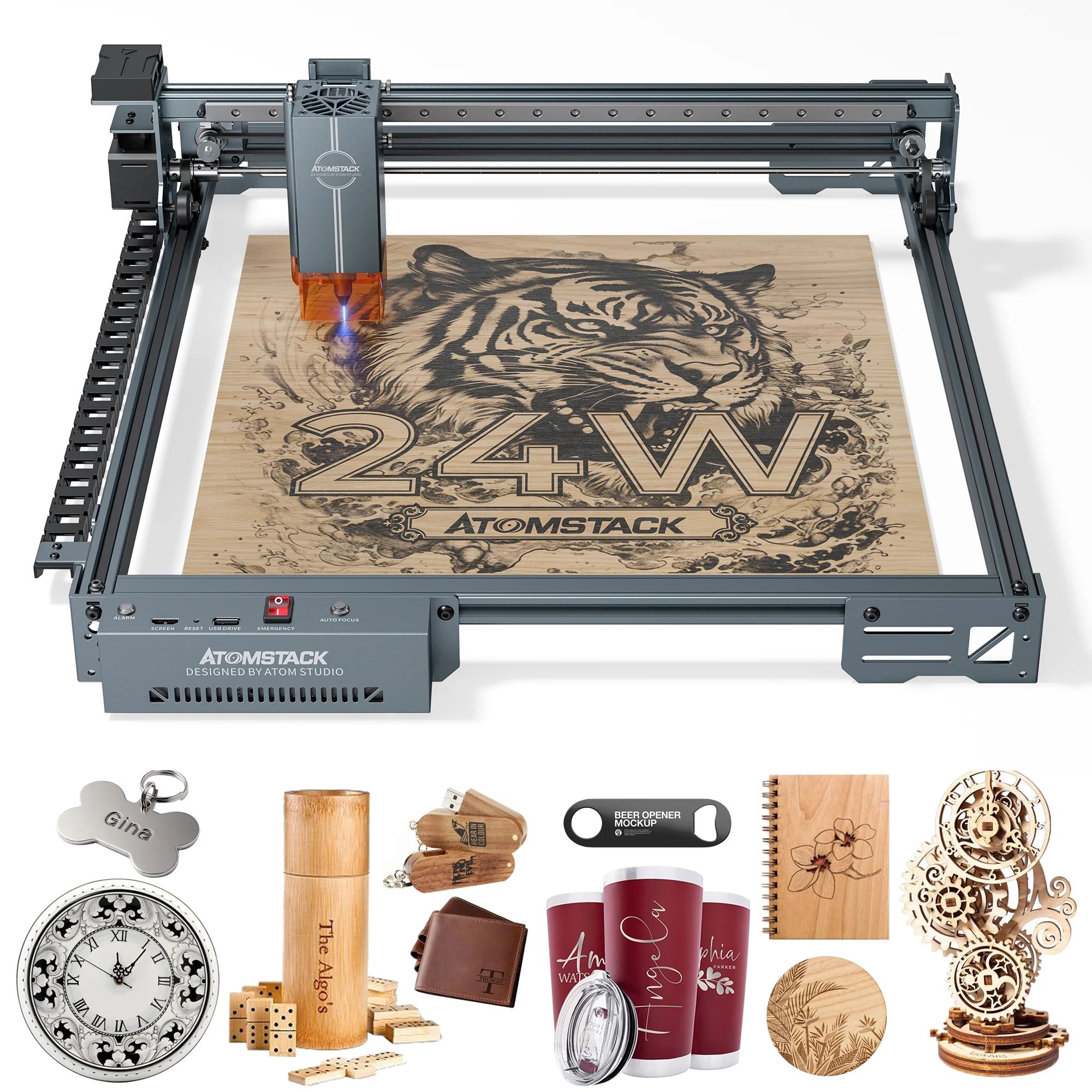
The Versatility of Laser Engraving for Wood and Metal
Laser engraving has revolutionized the art of personalization and customization, offering a precise and efficient way to mark various materials. When it comes to wood and metal, laser engraving opens up a world of creative possibilities.
Wood Engraving
Wood is a popular material for laser engraving due to its natural beauty and versatility. Whether you’re looking to add intricate designs, logos, or personalized messages to wooden items, a laser engraver can achieve stunning results with unmatched precision. From personalized gifts to custom signage, the possibilities are endless when it comes to wood engraving.
Metal Engraving
When it comes to metal engraving, laser technology offers unparalleled accuracy and detail. Whether you’re marking serial numbers on industrial parts or creating intricate designs on metal jewelry, a laser engraver can handle a wide range of metals with ease. The non-contact nature of laser engraving ensures that the surface remains intact while achieving crisp and permanent markings.
Benefits of Laser Engraving for Wood and Metal
- Precision: Laser engraving offers precise control over the depth and intensity of the markings, ensuring consistent results every time.
- Versatility: From fine details to large-scale designs, laser engravers can accommodate a wide range of projects on both wood and metal surfaces.
- Durability: Laser-engraved markings on wood and metal are highly durable and resistant to fading, making them ideal for long-lasting applications.
- Eco-Friendly: Laser engraving is a clean process that produces minimal waste compared to traditional methods like etching or stamping.
Whether you’re a hobbyist looking to personalize wooden crafts or a professional seeking efficient marking solutions for metal products, investing in a laser engraver can elevate your projects to new heights. Explore the endless creative possibilities that laser engraving offers for wood and metal surfaces!
8 Essential Tips for Safe and Effective Laser Engraving on Wood and Metal
- Always wear protective eyewear when operating a laser engraver.
- Ensure the work area is well-ventilated to avoid inhaling fumes.
- Test on scrap material before engraving your final piece.
- Adjust the laser power and speed settings based on the material type and thickness.
- Regularly clean the lens and mirrors to maintain optimal performance.
- Use vector graphics for precise cuts and raster images for detailed engravings.
- Securely fasten materials to prevent movement during engraving.
- Perform routine maintenance checks to ensure safety and efficiency.
Always wear protective eyewear when operating a laser engraver.
It is crucial to prioritize safety when using a laser engraver for wood and metal. One essential tip is to always wear protective eyewear while operating the machine. Laser beams can be powerful and intense, posing a risk to the eyes if proper precautions are not taken. By wearing protective eyewear, you can safeguard your vision and prevent potential injuries, ensuring a safe and secure working environment while utilizing the precision of laser technology for engraving tasks.
Ensure the work area is well-ventilated to avoid inhaling fumes.
To ensure a safe and healthy working environment when using a laser engraver for wood and metal, it is crucial to have a well-ventilated work area. Proper ventilation helps to prevent the inhalation of fumes that may be emitted during the engraving process. By maintaining good airflow in the workspace, you can minimize exposure to potentially harmful substances and promote a safer working environment for yourself and others. Prioritizing ventilation not only enhances safety but also contributes to a more comfortable and productive engraving experience overall.
Test on scrap material before engraving your final piece.
Before engraving your final piece on wood or metal using a laser engraver, it is highly recommended to conduct a test on scrap material first. Testing on a small piece allows you to fine-tune settings such as power, speed, and focus to achieve the desired results without risking damage to your actual project. This precautionary step ensures that you can make adjustments and perfect your engraving technique before committing to the final piece, ultimately leading to a flawless outcome.
Adjust the laser power and speed settings based on the material type and thickness.
To achieve optimal results when using a laser engraver for wood and metal, it is crucial to adjust the laser power and speed settings according to the specific material type and thickness. By customizing these settings, users can ensure that the laser interacts with the material in a precise and controlled manner, resulting in crisp and accurate engravings. Fine-tuning the power and speed settings based on the characteristics of the wood or metal being engraved not only enhances the quality of the final product but also prolongs the lifespan of the equipment by preventing unnecessary wear and tear.
Regularly clean the lens and mirrors to maintain optimal performance.
Regularly cleaning the lens and mirrors of your laser engraver is essential for maintaining optimal performance. Dust and debris can accumulate on these components over time, affecting the quality and precision of your engravings. By keeping the lens and mirrors clean, you ensure that the laser beam remains focused and unobstructed, resulting in crisp and accurate markings on both wood and metal surfaces. Incorporating this simple maintenance tip into your routine can help prolong the lifespan of your laser engraver and ensure consistent results with every project.
Use vector graphics for precise cuts and raster images for detailed engravings.
When utilizing a laser engraver for wood and metal, it is essential to employ vector graphics for precise cuts and raster images for intricate engravings. Vector graphics ensure clean and sharp lines, making them ideal for cutting through materials with accuracy. On the other hand, raster images excel in capturing fine details and textures, perfect for creating intricate designs on surfaces. By leveraging the strengths of both vector and raster images, you can achieve optimal results in your laser engraving projects, striking a balance between precision and detail.
Securely fasten materials to prevent movement during engraving.
To ensure precise and flawless laser engraving results on both wood and metal surfaces, it is crucial to securely fasten the materials in place to prevent any movement during the engraving process. Securing the materials not only helps maintain accuracy but also prevents potential errors or misalignments that can occur if the material shifts during engraving. By taking the time to properly secure the wood or metal before starting the engraving process, you can achieve professional-looking results with crisp and consistent markings.
Perform routine maintenance checks to ensure safety and efficiency.
Performing routine maintenance checks on your laser engraver for wood and metal is crucial to ensuring both safety and efficiency. Regular inspections can help identify any potential issues early on, preventing costly repairs and downtime. Checking for proper ventilation, cleaning the lens, and calibrating the machine are just a few maintenance tasks that can prolong the lifespan of your laser engraver and maintain optimal performance. By prioritizing routine maintenance, you can enjoy peace of mind knowing that your equipment is operating safely and efficiently, allowing you to produce high-quality engravings with precision and consistency.
No Responses