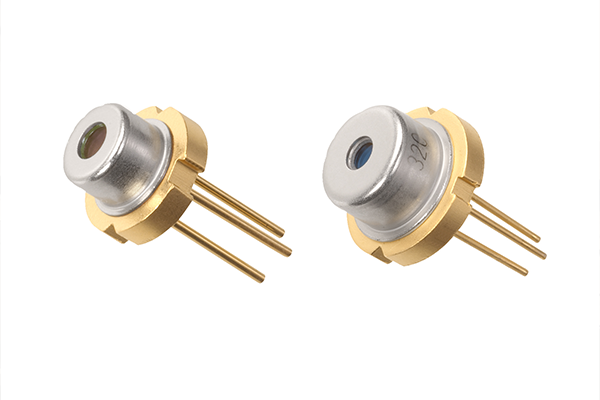
The Power and Potential of Laser Emitting Diodes
Laser emitting diodes (LEDs) have revolutionized the world of technology with their compact size, energy efficiency, and versatility. These semiconductor devices emit coherent light through the process of stimulated emission, making them essential components in a wide range of applications.
One of the key advantages of laser emitting diodes is their efficiency in converting electrical energy into light. Unlike traditional light sources that waste energy as heat, LEDs produce focused beams of light with minimal energy loss. This efficiency not only reduces power consumption but also extends the lifespan of the diode.
The compact size of laser emitting diodes makes them ideal for integration into various devices and systems. From laser pointers and barcode scanners to medical instruments and communication technologies, LEDs play a crucial role in enabling precision and reliability in diverse industries.
Furthermore, the wavelength range of laser emitting diodes can be tailored to specific requirements by adjusting the semiconductor materials and design parameters. This flexibility allows for custom solutions that meet the demands of different applications, such as optical communications, material processing, and scientific research.
As technology continues to advance, the potential applications of laser emitting diodes are expanding rapidly. From automotive lighting and display screens to environmental monitoring and biomedical imaging, LEDs are driving innovation across multiple fields.
In conclusion, laser emitting diodes represent a remarkable fusion of science and engineering that continues to shape our modern world. With their efficiency, versatility, and adaptability, these tiny yet powerful devices are illuminating new possibilities and pushing the boundaries of what’s achievable in the realm of light-based technologies.
Top 5 FAQs About Laser Diodes: Differences, Uses, and Considerations
- What is the difference between diode and laser?
- What are the disadvantages of laser diodes?
- Which is better LED or laser diode?
- Does diode laser remove hair permanently?
- What is a laser diode used for?
What is the difference between diode and laser?
The key difference between a diode and a laser lies in their functionality and output. A diode is a semiconductor device that allows current to flow in one direction, typically used for electrical signal rectification or voltage regulation. On the other hand, a laser emitting diode (LED) is a specific type of diode that emits coherent light through stimulated emission, producing a focused beam of light with specific properties such as wavelength and intensity. While both devices operate based on semiconductor principles, the laser diode’s ability to generate highly concentrated light beams distinguishes it from conventional diodes, enabling applications in fields such as telecommunications, materials processing, and optical instrumentation.
What are the disadvantages of laser diodes?
While laser diodes offer numerous advantages, such as energy efficiency and compact size, they also come with some inherent disadvantages. One common drawback is their sensitivity to temperature variations, which can affect their performance and stability. Additionally, laser diodes are prone to optical feedback issues, leading to potential damage if not properly controlled. Another challenge is the limited power output of individual laser diodes, requiring multiple diodes to be combined for high-power applications. Despite these drawbacks, ongoing research and technological advancements aim to mitigate these limitations and enhance the overall effectiveness of laser diodes in various fields of application.
Which is better LED or laser diode?
When comparing LED and laser diodes, the choice between the two depends on the specific requirements of the application. LED (Light Emitting Diode) is known for its energy efficiency, affordability, and versatility in various lighting applications. On the other hand, laser diodes offer coherent light with high intensity and precision, making them suitable for applications that require focused beams and long-distance transmission. While LEDs are more commonly used for general lighting and display purposes, laser diodes excel in tasks such as optical communications, material processing, and medical procedures where precision and control are paramount. Ultimately, the decision between LED and laser diode comes down to the specific needs of the project at hand.
Does diode laser remove hair permanently?
The question of whether diode lasers can remove hair permanently is a common inquiry among individuals seeking long-term solutions for hair removal. Diode laser technology targets the hair follicles by emitting concentrated light energy, which is absorbed by the melanin in the hair shaft, leading to its destruction. While diode laser treatments can significantly reduce hair growth over time, achieving permanent hair removal may require multiple sessions to target hair follicles in different growth stages. Results can vary depending on factors such as skin type, hair color, and individual response to treatment. It’s essential to consult with a qualified professional to determine the most suitable approach for achieving your desired results effectively and safely.
What is a laser diode used for?
A laser diode, also known as a laser emitting diode, is a semiconductor device that emits coherent light through stimulated emission. Laser diodes are widely used across various industries for numerous applications due to their compact size, energy efficiency, and versatility. Common uses of laser diodes include laser pointers for presentations and astronomy, optical communications for data transmission, barcode scanners for retail and inventory management, medical instruments for surgery and diagnostics, as well as in entertainment devices like DVD players and laser light shows. The precision and reliability of laser diodes make them indispensable in modern technology, enabling advancements in fields such as telecommunications, healthcare, manufacturing, and research.
No Responses