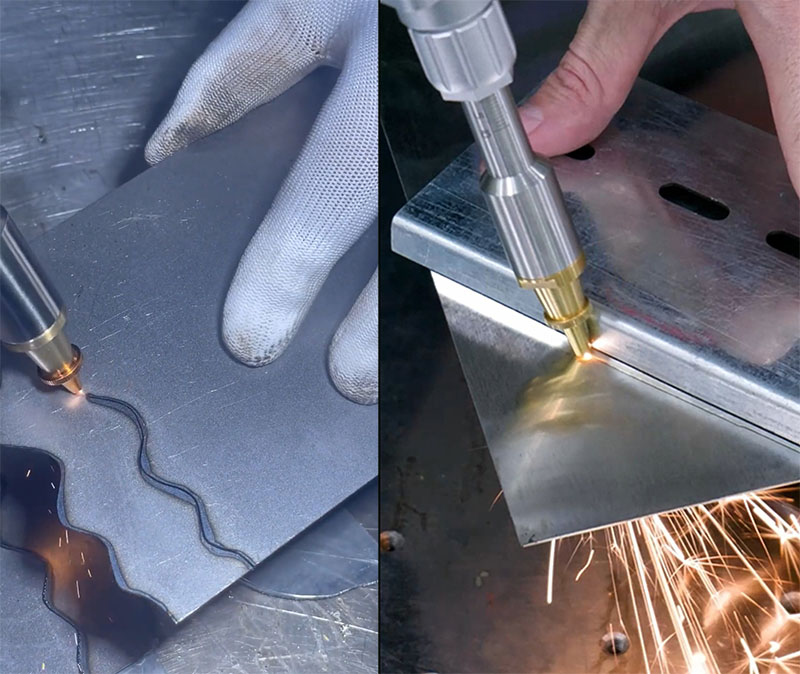
The Power of Laser Cutting Tools
Laser cutting technology has revolutionized the manufacturing industry, offering precision, speed, and versatility that traditional cutting methods simply cannot match. A laser cutting tool harnesses the power of a focused laser beam to cut through various materials with incredible accuracy, making it an indispensable tool for a wide range of applications.
Precision and Accuracy
One of the key advantages of laser cutting tools is their ability to deliver precise and accurate cuts, even on complex shapes and intricate designs. The focused laser beam allows for tight tolerances and clean edges, ensuring that the final product meets the highest quality standards.
Speed and Efficiency
Compared to traditional cutting methods such as sawing or milling, laser cutting tools are significantly faster and more efficient. The non-contact nature of laser cutting means there is no tool wear or material deformation, resulting in faster production times and reduced waste.
Versatility and Flexibility
Laser cutting tools can be used on a wide variety of materials, including metals, plastics, wood, fabric, and more. This versatility makes them ideal for diverse industries such as automotive, aerospace, electronics, signage, and fashion. Additionally, laser cutting can easily switch between different designs without the need for tool changes, offering unparalleled flexibility in production.
Cost-Effectiveness
While the initial investment in a laser cutting tool may be higher than traditional equipment, the long-term cost savings are significant. The precision and efficiency of laser cutting reduce material waste and labor costs while increasing productivity and quality control.
The Future of Manufacturing
As technology continues to advance, so too will the capabilities of laser cutting tools. With ongoing developments in automation, software integration, and multi-axis machining, laser cutting is poised to remain at the forefront of modern manufacturing for years to come.
Understanding Laser Cutting: Common Questions Answered
- What will a 100W CO2 laser cut?
- Why is laser cutting so expensive?
- What cannot be cut with a laser cutter?
- Do cheap laser cutters work?
- What tools are used for laser cutting?
- Is a Cricut the same as a laser cutter?
What will a 100W CO2 laser cut?
A 100W CO2 laser is a versatile tool capable of cutting through a variety of materials with precision and efficiency. Common materials that a 100W CO2 laser can cut include acrylic, wood, leather, paper, fabric, cardboard, and certain types of plastics. The high power output of the laser allows for swift and clean cuts on these materials, making it suitable for a wide range of applications in industries such as signage, crafting, prototyping, and manufacturing. It is important to note that the specific cutting capabilities may vary based on the thickness and composition of the material being processed.
Why is laser cutting so expensive?
The cost of laser cutting can be attributed to several factors that contribute to its perceived expense. Firstly, the initial investment in high-quality laser cutting equipment is significant, as these machines require advanced technology and precision components to deliver precise cuts. Additionally, the maintenance and operation of laser cutting tools demand skilled technicians and regular upkeep to ensure optimal performance. Furthermore, the energy consumption of lasers and the specialized gases used in the cutting process add to the overall cost. Despite its higher upfront expenses, the unparalleled precision, speed, and versatility of laser cutting make it a valuable investment for industries that prioritize quality and efficiency in their manufacturing processes.
What cannot be cut with a laser cutter?
Certain materials are not suitable for cutting with a laser cutter due to their composition or properties. For example, materials such as PVC and vinyl can release toxic fumes when subjected to laser cutting, posing health risks. Similarly, reflective materials like copper and aluminum can reflect the laser beam, making it difficult to achieve clean cuts. Additionally, materials with high moisture content, such as certain types of wood, may not cut well with a laser cutter as the moisture can affect the cutting process. It is essential to consider the material’s characteristics and safety implications before attempting to cut it with a laser cutter.
Do cheap laser cutters work?
The question of whether cheap laser cutters work is a common concern among those considering investing in laser cutting technology. While inexpensive laser cutters may seem like a cost-effective solution, it’s important to consider the trade-offs that come with lower-priced equipment. Cheap laser cutters may lack the precision, power, and durability of their higher-end counterparts, leading to inconsistent results and potential maintenance issues down the line. It’s crucial to carefully evaluate your needs and budget when deciding on a laser cutter to ensure that you strike the right balance between affordability and performance.
What tools are used for laser cutting?
In laser cutting, a variety of tools are utilized to achieve precise and efficient cuts across different materials. The primary tool in laser cutting is, of course, the laser itself, which emits a highly focused beam of light that vaporizes or melts the material being cut. Additionally, optical components such as lenses and mirrors help to direct and focus the laser beam onto the workpiece with pinpoint accuracy. Computer numerical control (CNC) systems play a crucial role in controlling the movement of the laser cutting head, ensuring that intricate designs and patterns are executed flawlessly. Supporting equipment like gas jets for assist gas delivery and cooling systems to regulate temperature are also essential tools used in laser cutting processes to enhance efficiency and maintain quality standards.
Is a Cricut the same as a laser cutter?
A common question that arises in discussions about laser cutting tools is whether a Cricut machine is the same as a laser cutter. While both tools are used for cutting various materials, they differ in their technology and capabilities. A Cricut machine is a type of cutting plotter that uses a small blade to cut through materials like paper, vinyl, and fabric based on digital designs. On the other hand, a laser cutter utilizes a high-powered laser beam to precisely cut through a wide range of materials with exceptional accuracy and detail. While Cricut machines are great for crafting and hobby projects, laser cutters are preferred for industrial applications requiring intricate cuts and high precision.
No Responses