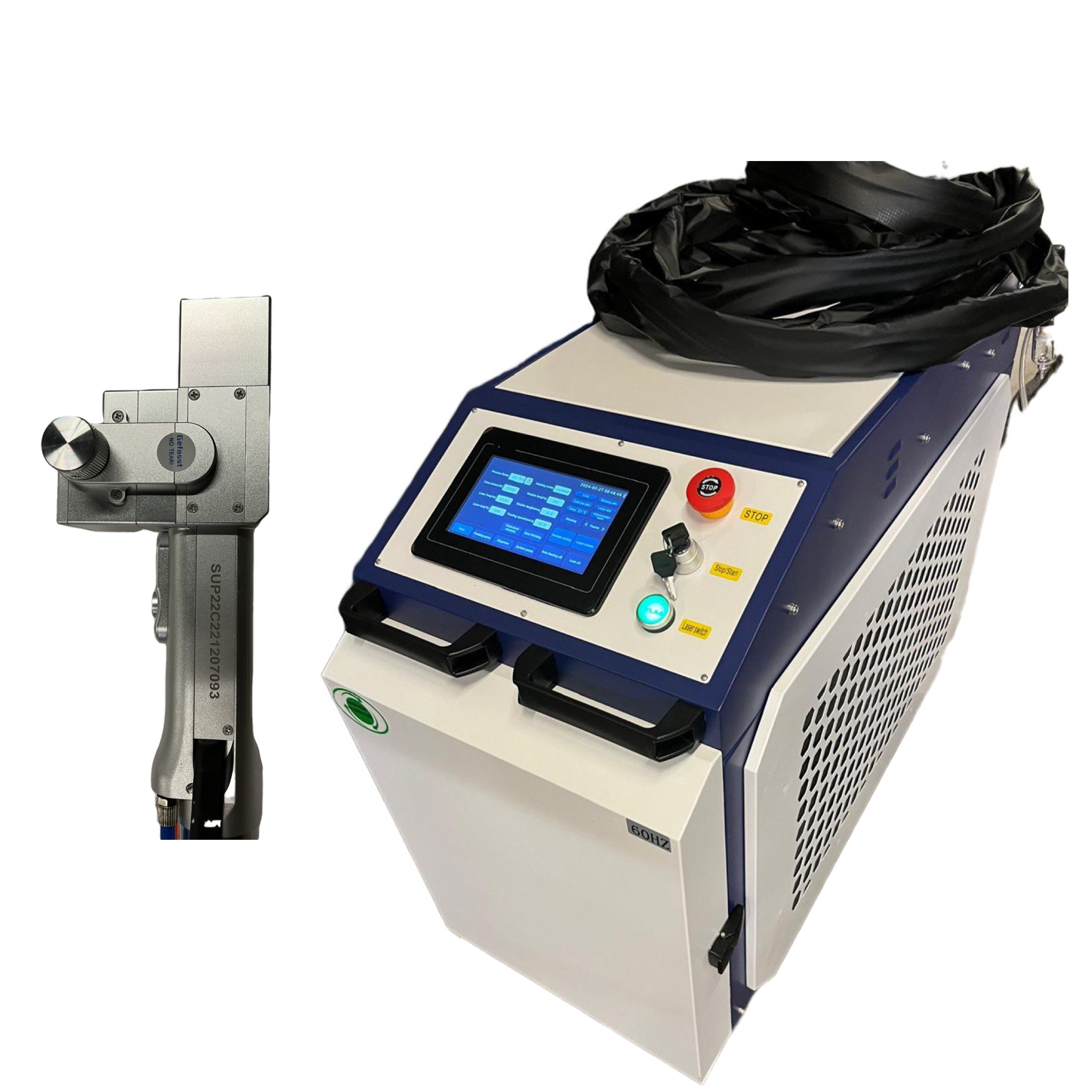
The Power of Laser Cleaning Tools
When it comes to removing rust, paint, or other unwanted surface contaminants, traditional methods such as sandblasting or chemical cleaning can be time-consuming, messy, and potentially harmful to the environment. Enter laser cleaning tools – a cutting-edge solution that offers a cleaner, safer, and more efficient way to restore surfaces to their original state.
Laser cleaning tools utilize the power of focused laser beams to remove contaminants from surfaces with precision and effectiveness. The process involves directing the laser beam onto the target surface, where it quickly vaporizes the unwanted material without damaging the underlying substrate. This results in a clean surface free of residue and without the need for harsh chemicals or abrasive materials.
One of the key advantages of laser cleaning tools is their versatility. They can be used on a wide range of materials, including metal, stone, wood, and more. Whether you need to remove rust from a metal surface, clean delicate artwork, or prepare a part for welding, laser cleaning tools offer a non-contact method that is gentle yet powerful.
Furthermore, laser cleaning tools are environmentally friendly. Unlike traditional cleaning methods that produce waste materials or emit harmful fumes, laser cleaning generates minimal waste and does not involve the use of chemicals that can harm the environment. This makes it an ideal choice for industries looking to reduce their environmental impact while maintaining high standards of cleanliness.
In addition to being eco-friendly, laser cleaning tools also offer cost savings in the long run. With reduced material waste, lower maintenance requirements, and increased efficiency compared to traditional methods, businesses can benefit from improved productivity and lower operating costs over time.
As technology continues to advance, laser cleaning tools are becoming increasingly popular in various industries such as manufacturing, automotive restoration, conservation efforts for historical artifacts, and more. Their ability to deliver precise and effective cleaning results while minimizing environmental impact makes them a valuable tool for any application that requires surface restoration.
Experience the power of laser cleaning tools and discover a cleaner, safer way to restore surfaces with efficiency and precision.
Essential Safety Tips for Using a Laser Cleaning Tool
- Ensure proper training before using the laser cleaning tool.
- Wear appropriate safety gear, such as goggles and gloves, when operating the tool.
- Keep the work area well-ventilated to prevent exposure to fumes and particles produced during cleaning.
- Regularly inspect the tool for any signs of damage or wear and tear.
- Follow manufacturer’s guidelines for maintenance and storage of the laser cleaning tool.
- Avoid pointing the laser beam at reflective surfaces to prevent accidents or injuries.
- Use the appropriate power settings based on the material being cleaned to avoid damage.
- Always turn off the laser cleaning tool when not in use to prevent accidental activation.
Ensure proper training before using the laser cleaning tool.
To maximize the effectiveness and safety of using a laser cleaning tool, it is crucial to ensure that proper training is received before operating the equipment. Laser technology requires a specific set of skills and knowledge to handle it correctly and achieve optimal results. Training sessions can educate users on the proper handling of the laser cleaning tool, safety protocols, maintenance procedures, and troubleshooting techniques. By investing in comprehensive training for users, organizations can minimize the risk of accidents, ensure efficient operation of the equipment, and maintain a safe working environment for all personnel involved.
Wear appropriate safety gear, such as goggles and gloves, when operating the tool.
When using a laser cleaning tool, it is essential to prioritize safety by wearing appropriate protective gear, including goggles and gloves. These safety measures are crucial to shield your eyes from potentially harmful laser beams and to protect your hands from any debris or residue that may be generated during the cleaning process. By wearing the proper safety equipment, you can ensure a secure working environment and minimize the risk of accidents or injuries while operating the tool.
Keep the work area well-ventilated to prevent exposure to fumes and particles produced during cleaning.
To ensure safety when using a laser cleaning tool, it is crucial to keep the work area well-ventilated. Proper ventilation helps prevent exposure to fumes and particles that may be produced during the cleaning process. By maintaining good airflow in the workspace, operators can minimize the risk of inhaling potentially harmful substances and create a healthier environment for themselves and others nearby. Prioritizing ventilation is a simple yet effective measure to enhance safety and promote a secure working environment when utilizing laser cleaning tools.
Regularly inspect the tool for any signs of damage or wear and tear.
Regularly inspecting your laser cleaning tool for any signs of damage or wear and tear is crucial to ensuring its optimal performance and longevity. By conducting routine checks, you can identify potential issues early on and address them promptly, preventing further damage and maintaining the efficiency of the tool. This proactive approach not only helps extend the lifespan of your laser cleaning tool but also ensures that it continues to deliver reliable results in removing surface contaminants effectively.
Follow manufacturer’s guidelines for maintenance and storage of the laser cleaning tool.
It is crucial to follow the manufacturer’s guidelines for the maintenance and storage of the laser cleaning tool to ensure its optimal performance and longevity. By adhering to the recommended maintenance procedures, such as regular cleaning, calibration, and inspection, you can prevent potential issues and keep the tool in top condition. Proper storage practices, such as storing the tool in a dry and secure location when not in use, can also help extend its lifespan and protect it from damage. By following these guidelines diligently, you can maximize the efficiency and effectiveness of your laser cleaning tool for years to come.
Avoid pointing the laser beam at reflective surfaces to prevent accidents or injuries.
To ensure safety while using a laser cleaning tool, it is crucial to avoid pointing the laser beam at reflective surfaces. Doing so can lead to accidents or injuries due to the potential for the beam to bounce off the reflective surface and inadvertently hit unintended targets. By being mindful of where the laser beam is directed and avoiding reflective surfaces, users can minimize risks and maintain a safe working environment when utilizing this powerful cleaning technology.
Use the appropriate power settings based on the material being cleaned to avoid damage.
When using a laser cleaning tool, it is crucial to adjust the power settings according to the specific material being cleaned. Failure to do so can result in damage to the surface or substrate. By using the appropriate power settings tailored to the material at hand, users can ensure effective cleaning without causing harm. This practice not only enhances the efficiency of the cleaning process but also prolongs the lifespan of both the laser equipment and the surfaces being treated. Remember, precision in power settings is key to achieving optimal results while safeguarding against potential damage during laser cleaning operations.
Always turn off the laser cleaning tool when not in use to prevent accidental activation.
To ensure safety and prevent accidental activation, it is crucial to always turn off the laser cleaning tool when not in use. By following this simple tip, you can minimize the risk of unintended laser beam exposure and maintain a secure working environment. Remembering to power down the tool after each use helps to mitigate potential hazards and ensures that the equipment remains in optimal condition for long-lasting performance.
No Responses