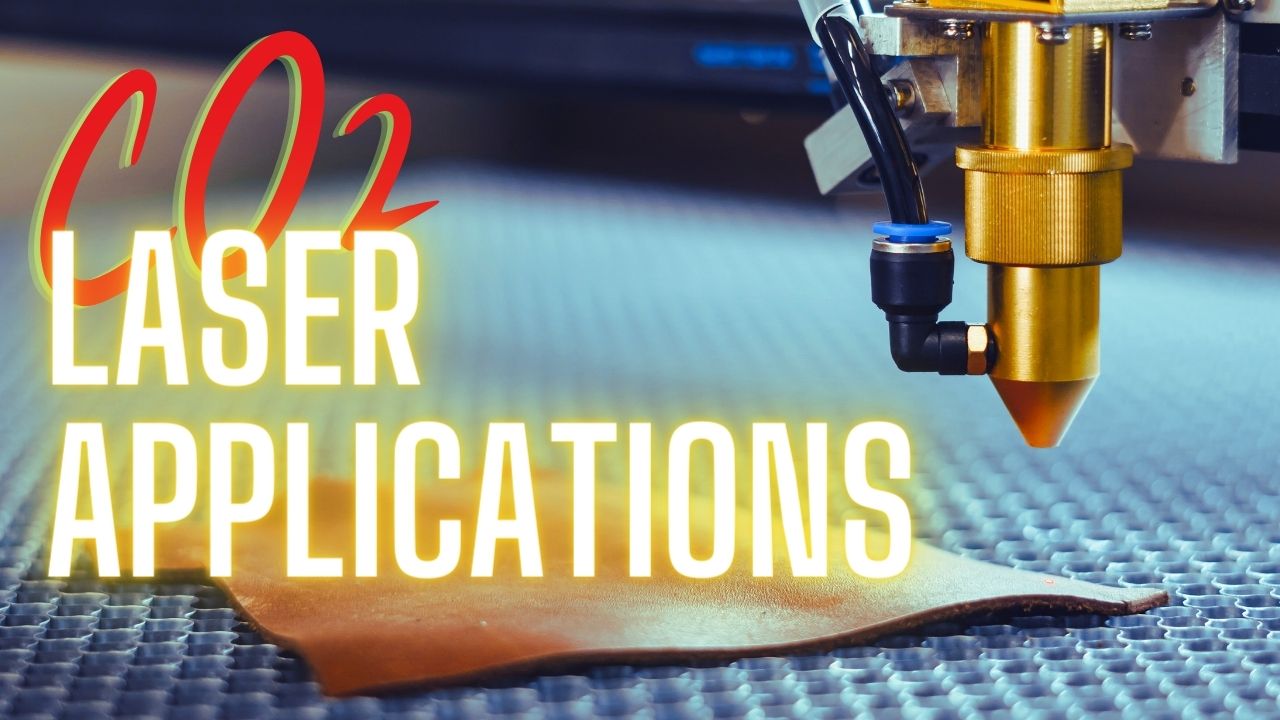
The Diverse Applications of Laser Technology
Laser technology has revolutionized various industries by offering precise, efficient, and versatile solutions to a wide range of challenges. From healthcare to manufacturing, lasers have found applications that have significantly improved processes and outcomes.
Healthcare
In the field of healthcare, lasers are used for surgical procedures, such as eye surgeries and dermatological treatments. Laser technology allows for minimally invasive procedures with reduced recovery times and improved precision, leading to better patient outcomes.
Manufacturing
Manufacturing industries have embraced laser technology for cutting, welding, marking, and engraving materials such as metal, plastic, and wood. Lasers provide high-speed and high-precision processing capabilities that enhance productivity and product quality.
Communications
Laser technology plays a crucial role in telecommunications by enabling high-speed data transmission through fiber-optic networks. Lasers are used to transmit data over long distances with minimal signal loss, making them essential for modern communication systems.
Entertainment
In the entertainment industry, lasers are utilized for creating captivating light shows in concerts, events, and theme parks. Laser projectors can produce stunning visual effects that enhance the overall experience for audiences.
Research and Development
Researchers across various fields rely on lasers for experiments in physics, chemistry, biology, and materials science. Lasers enable precise measurements, spectroscopic analysis, and manipulation of materials at the molecular level, advancing scientific knowledge and technological innovation.
Conclusion
The diverse applications of laser technology continue to push boundaries across industries, driving innovation and efficiency. As laser technology evolves further, we can expect even more groundbreaking applications that will shape the future of multiple sectors.
Essential Safety and Efficiency Tips for Using Lasers Effectively
- Always wear appropriate eye protection when working with lasers.
- Ensure proper ventilation in the area where laser cutting or engraving is being done.
- Regularly check and maintain the laser equipment to ensure optimal performance.
- Follow safety guidelines and protocols when operating lasers to prevent accidents.
- Be aware of the specific materials that can be used with the type of laser you are using.
- Consider the power and wavelength of the laser for different applications to achieve desired results.
Always wear appropriate eye protection when working with lasers.
When working with lasers, it is crucial to prioritize safety by always wearing appropriate eye protection. Laser beams can cause serious damage to the eyes, including permanent vision loss, if proper precautions are not taken. By wearing specialized laser safety goggles or glasses designed to block specific wavelengths of light, individuals can significantly reduce the risk of eye injuries and ensure a safe working environment when handling laser equipment. Remember, protecting your eyes is essential in preventing potential harm from the intense light produced by lasers.
Ensure proper ventilation in the area where laser cutting or engraving is being done.
It is crucial to ensure proper ventilation in the area where laser cutting or engraving is being performed. Effective ventilation helps to remove potentially harmful fumes and particles generated during the laser processing, safeguarding the health and safety of those working in the vicinity. By maintaining good airflow and ventilation systems, the risk of exposure to hazardous byproducts is minimized, creating a healthier and more comfortable working environment for all individuals involved in laser applications.
Regularly check and maintain the laser equipment to ensure optimal performance.
Regularly checking and maintaining laser equipment is crucial to ensure optimal performance and longevity. By conducting routine inspections and servicing, potential issues can be identified and addressed promptly, preventing costly downtime and ensuring that the laser system operates at peak efficiency. Proper maintenance not only extends the lifespan of the equipment but also enhances safety for operators and maximizes the quality of output. Investing time and resources in regular upkeep of laser equipment is essential for achieving consistent and reliable results in various applications.
Follow safety guidelines and protocols when operating lasers to prevent accidents.
It is crucial to follow safety guidelines and protocols when operating lasers to prevent accidents and ensure the well-being of individuals in the vicinity. Proper training, protective eyewear, and adherence to safety procedures are essential to minimize risks associated with laser use. By prioritizing safety measures, operators can create a secure environment that promotes efficient and effective laser applications while safeguarding against potential hazards.
Be aware of the specific materials that can be used with the type of laser you are using.
When utilizing laser technology, it is crucial to be mindful of the specific materials compatible with the type of laser being employed. Different lasers interact uniquely with various materials, and using incompatible materials can lead to inefficiency, damage to the equipment, or even safety hazards. Understanding the compatibility between your laser system and the materials being processed ensures optimal performance and reliable outcomes in your applications. By adhering to these guidelines, you can maximize the effectiveness of your laser operations while maintaining a safe working environment.
Consider the power and wavelength of the laser for different applications to achieve desired results.
When exploring laser applications, it is essential to consider both the power and wavelength of the laser to achieve the desired results effectively. The power of the laser determines its cutting, engraving, or marking capabilities, while the wavelength influences its interaction with different materials. Matching the power and wavelength of the laser to specific applications ensures optimal performance and precision, leading to successful outcomes in various industries such as healthcare, manufacturing, communications, entertainment, and research.
No Responses