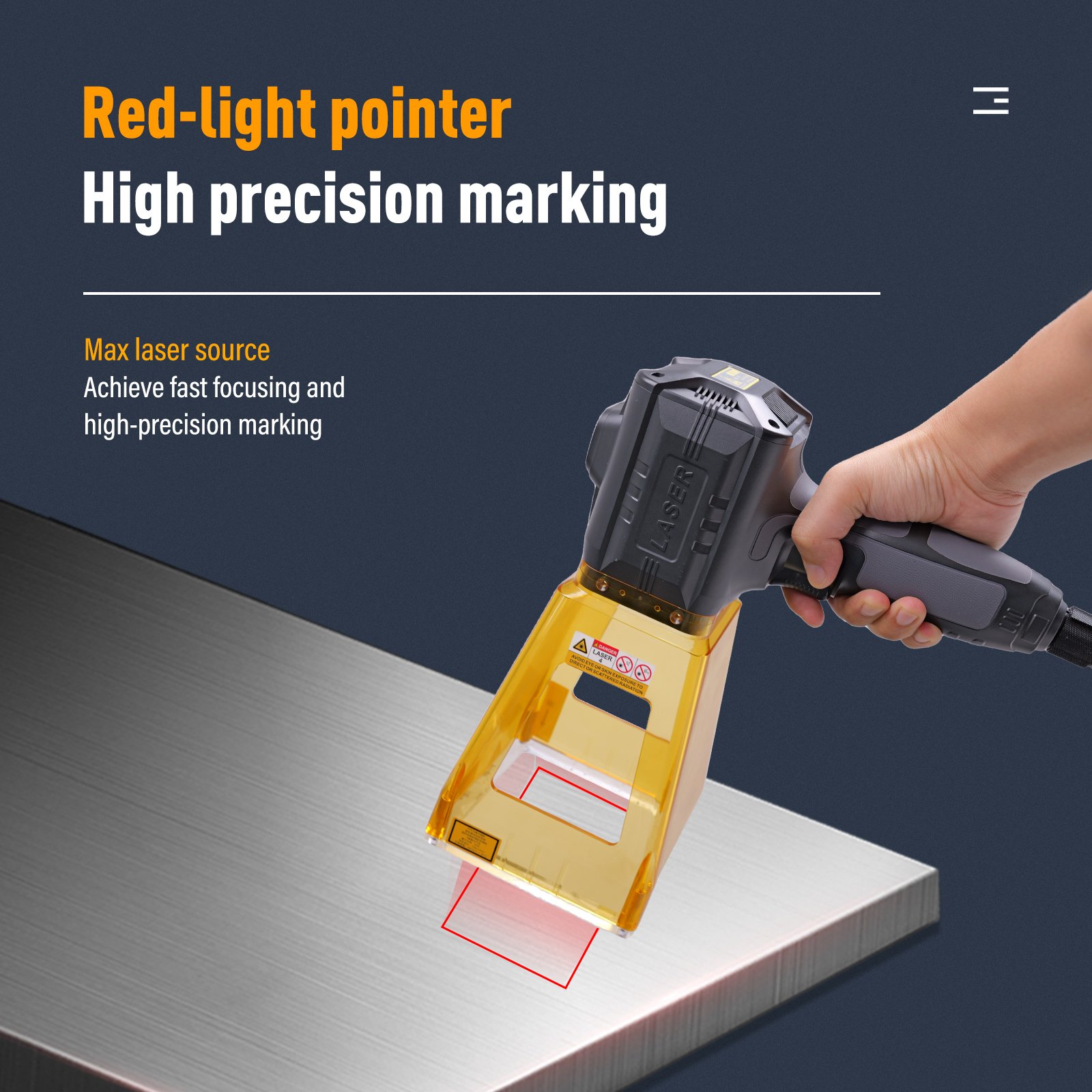
Handheld Laser Cutter for Steel: Revolutionizing Metal Fabrication
In the world of metal fabrication, precision and efficiency are paramount. Traditional cutting methods such as sawing or plasma cutting can be time-consuming and imprecise. However, with the advent of handheld laser cutters for steel, a new era of metalworking has dawned.
A handheld laser cutter is a portable device that utilizes a high-powered laser beam to cut through steel with unparalleled accuracy and speed. This innovative tool allows fabricators to create intricate designs and precise cuts with ease, making it ideal for a wide range of applications.
One of the key advantages of using a handheld laser cutter for steel is its versatility. Whether you’re working on thin sheets or thick plates, the laser cutter can effortlessly slice through the material with minimal heat-affected zones, resulting in clean, burr-free edges.
Furthermore, handheld laser cutters are user-friendly and easy to operate, making them suitable for both seasoned professionals and hobbyists alike. With adjustable power settings and cutting speeds, users can tailor their cutting parameters to suit their specific needs.
The portability of handheld laser cutters also opens up new possibilities for on-site fabrication work. Whether you’re working in a workshop or out in the field, having a compact and lightweight tool at your disposal can significantly increase productivity and efficiency.
As technology continues to advance, handheld laser cutters for steel are becoming increasingly sophisticated, offering improved performance and reliability. With features such as automatic height adjustment and real-time monitoring systems, users can achieve consistent results with every cut.
In conclusion, handheld laser cutters have revolutionized the way steel is fabricated. By combining precision cutting capabilities with portability and ease of use, these innovative tools are reshaping the metalworking industry. Whether you’re a professional fabricator or a DIY enthusiast, investing in a handheld laser cutter for steel could be the key to unlocking new possibilities in your projects.
Top 5 Advantages of Using a Handheld Laser Cutter for Steel
7 Drawbacks of Handheld Laser Cutters for Steel: What to Consider Before Buying
- Limited cutting thickness compared to industrial laser cutters
- High initial cost of purchasing a quality handheld laser cutter
- Maintenance and repair costs can be expensive
- Safety precautions are crucial due to the high-power laser beam
- May require specialized training to operate effectively and safely
- Limited workspace due to the size constraints of handheld models
- Cutting speed may be slower compared to larger stationary laser cutters
1. Precision cutting
Handheld laser cutters for steel excel in precision cutting, providing unmatched accuracy that enables fabricators to create intricate designs and achieve precise cuts with ease. The high-powered laser beam delivers clean, sharp edges without burrs, ensuring a flawless finish on the steel material. This level of precision is crucial for industries where exact measurements and intricate details are paramount, making handheld laser cutters a valuable tool for achieving superior cutting results in metal fabrication projects.
2. Versatility
The versatility of handheld laser cutters for steel is truly remarkable. Whether you’re working with thin sheets or thick plates, these portable devices excel in precision cutting, leaving minimal heat-affected zones and delivering clean edges. This adaptability allows fabricators to tackle a wide range of projects with ease, making handheld laser cutters a go-to tool for achieving exceptional results across various steel cutting applications.
3. Portability
The portability of handheld laser cutters for steel is a game-changer in the metalworking industry. Their compact and lightweight design allows fabricators to bring precision cutting capabilities directly to the work site, eliminating the need to transport heavy machinery or materials. This convenience not only saves time but also enhances productivity and efficiency, as operators can perform cutting tasks with ease in various locations. Whether working in a workshop or out in the field, the portability of handheld laser cutters enables seamless integration into on-site fabrication work, empowering users to achieve exceptional results wherever they go.
4. User-friendly operation
The user-friendly operation of handheld laser cutters for steel sets them apart as versatile tools that cater to a wide range of users. With adjustable power settings and cutting speeds, these devices offer a customizable experience tailored to individual preferences and project requirements. This feature makes handheld laser cutters accessible to both seasoned professionals seeking precision in their work and hobbyists looking to explore the world of metal fabrication. The intuitive design and ease of operation ensure that users can achieve their desired results with efficiency and accuracy, making handheld laser cutters a valuable asset in various applications.
5. Advanced features
One significant advantage of handheld laser cutters for steel is their advanced features, such as automatic height adjustment and real-time monitoring systems. These cutting-edge technologies enhance the performance and reliability of modern laser cutters, ensuring precise and consistent results with every use. The automatic height adjustment feature allows for optimal cutting distance, minimizing errors and maximizing efficiency. Additionally, real-time monitoring systems provide users with valuable feedback during the cutting process, allowing for adjustments to be made instantly for superior outcomes. Overall, these advanced features make handheld laser cutters a powerful tool in metal fabrication, offering unparalleled precision and reliability.
Limited cutting thickness compared to industrial laser cutters
One significant drawback of handheld laser cutters for steel is their limited cutting thickness compared to industrial laser cutters. While handheld devices offer portability and convenience, their compact size and power constraints can restrict the depth of material they can effectively cut through. This limitation may pose challenges when working with thicker steel plates or materials that require deeper cuts, as the handheld laser cutter may not have the necessary power output to achieve precise results. In such cases, industrial-grade laser cutters with higher wattage capabilities are better suited for handling thicker materials and more demanding cutting tasks.
High initial cost of purchasing a quality handheld laser cutter
The high initial cost of purchasing a quality handheld laser cutter for steel can be a significant drawback for many potential users. While the precision and efficiency offered by these devices are undeniable, the upfront investment required to acquire a top-of-the-line model may deter some individuals or businesses from adopting this technology. The initial expense includes not only the purchase price of the laser cutter itself but also any necessary accessories, training, and maintenance costs. This financial barrier may limit access to handheld laser cutters for steel, particularly for smaller workshops or hobbyists operating on a tight budget. However, it’s important to consider the long-term benefits and potential cost savings that a quality handheld laser cutter can provide in terms of increased productivity and superior cutting results over time.
Maintenance and repair costs can be expensive
Maintenance and repair costs for handheld laser cutters used on steel can be a significant drawback. Due to the complex nature of laser technology and the high precision required for cutting steel, servicing these devices can be costly. Regular maintenance is essential to ensure optimal performance and longevity, and any repairs needed may involve specialized parts or technical expertise, adding to the overall expenses. Fabricators considering investing in handheld laser cutters for steel should carefully weigh the potential long-term costs associated with maintenance and repairs before making a purchase decision.
Safety precautions are crucial due to the high-power laser beam
Safety precautions are paramount when using handheld laser cutters for steel due to the high-power laser beam they emit. The intense energy of the laser beam can cause severe burns or eye damage if proper safety measures are not followed. Protective gear such as safety goggles, gloves, and clothing must be worn at all times to minimize the risk of injury. Additionally, ensuring a clear workspace free of flammable materials is essential to prevent accidents. Proper training on how to operate the laser cutter safely and responsibly is imperative to protect both the user and those in the vicinity from potential harm. By prioritizing safety precautions, users can harness the power of handheld laser cutters for steel while minimizing risks and ensuring a secure working environment.
May require specialized training to operate effectively and safely
Operating a handheld laser cutter for steel may pose a significant challenge as it often necessitates specialized training to ensure both effective and safe usage. The intricate nature of laser technology demands a thorough understanding of operational procedures, safety protocols, and maintenance requirements. Without proper training, users may struggle to harness the full potential of the device while also risking potential hazards associated with laser operations. Investing in comprehensive training programs is essential to mitigate risks and optimize the performance of handheld laser cutters for steel, ensuring that operators can work confidently and proficiently with this advanced tool.
Limited workspace due to the size constraints of handheld models
One significant drawback of handheld laser cutters for steel is the limited workspace they offer due to the size constraints of handheld models. While these portable cutters provide the convenience of mobility, their compact design restricts the cutting area available for larger or bulkier steel materials. This limitation can pose challenges when working on projects that require cutting extensive or oversized pieces of steel, as maneuvering the handheld cutter within a confined workspace may prove to be cumbersome and inefficient. As a result, fabricators may find themselves constrained by the restricted cutting capacity of handheld laser cutters, impacting their ability to handle larger-scale projects effectively.
Cutting speed may be slower compared to larger stationary laser cutters
When considering handheld laser cutters for steel, one notable drawback is that the cutting speed may be slower in comparison to larger stationary laser cutters. While handheld devices offer portability and flexibility, their smaller size and power capacity can result in a reduced cutting speed. This limitation may impact productivity for users requiring rapid or high-volume cutting operations, as larger stationary laser cutters typically boast faster processing speeds. It’s important for users to weigh the trade-off between portability and cutting efficiency when choosing a handheld laser cutter for steel applications.
No Responses