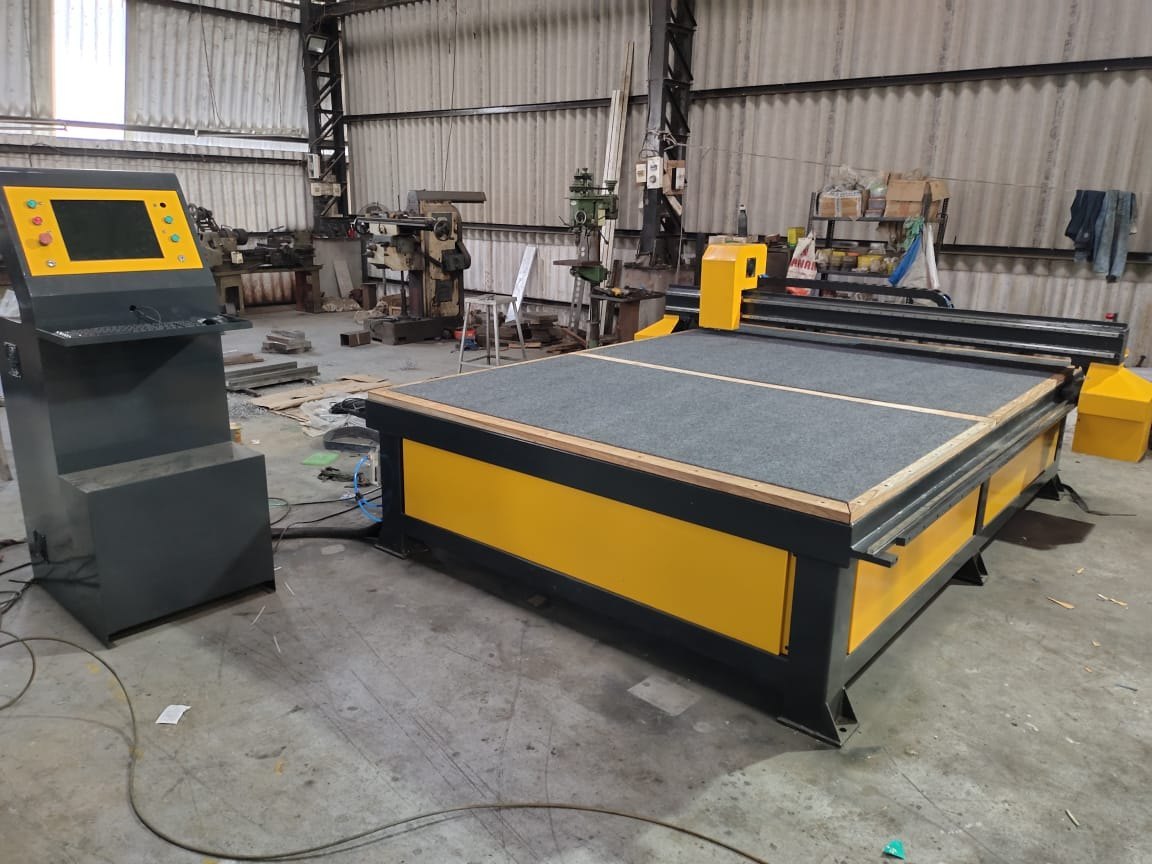
The Art of Glass CNC Cutting
Glass CNC cutting is a precise and intricate process that has revolutionized the way glass materials are shaped and designed. By utilizing Computer Numerical Control (CNC) technology, artisans and manufacturers can achieve unparalleled accuracy and consistency in cutting glass, leading to stunning results.
One of the key advantages of glass CNC cutting is the ability to create complex shapes and patterns with ease. Traditional methods of glass cutting often involve manual labor and are limited in terms of intricacy. With CNC technology, intricate designs can be programmed into the system, allowing for precise cuts that would be nearly impossible to achieve by hand.
Another benefit of glass CNC cutting is its efficiency. The automated nature of CNC machines ensures that cuts are made quickly and accurately, reducing waste and increasing productivity. This efficiency makes glass CNC cutting an ideal choice for large-scale production as well as custom projects that require attention to detail.
Furthermore, the precision of glass CNC cutting results in clean edges and smooth surfaces, enhancing the overall aesthetic appeal of the finished product. Whether it’s creating custom glass artwork, intricate architectural elements, or precision parts for industrial applications, CNC cutting delivers results that meet the highest standards of quality.
In addition to its precision and efficiency, glass CNC cutting offers versatility in terms of materials. From standard float glass to specialty glasses such as tempered or laminated glass, CNC technology can accommodate a wide range of materials with varying thicknesses and properties.
As technology continues to advance, the art of glass CNC cutting evolves with it, opening up new possibilities for creative expression and innovation in design. Whether you’re a designer looking to push boundaries or a manufacturer seeking reliable precision, glass CNC cutting is a versatile tool that continues to shape the future of glass fabrication.
9 Essential Tips for Precision and Safety in CNC Glass Cutting
- Ensure the glass is securely fixed to the cutting bed to prevent movement during cutting.
- Use a high-quality diamond or carbide cutting tool for precise and clean cuts.
- Adjust the cutting speed and depth according to the type and thickness of the glass.
- Regularly check and replace the cutting tool to maintain efficiency and quality.
- Clean the glass surface before cutting to avoid scratches or imperfections on the edges.
- Implement proper ventilation systems when working with glass to avoid inhaling harmful particles.
- Wear appropriate safety gear such as gloves, goggles, and a mask when operating CNC glass-cutting machines.
- Perform test cuts on scrap pieces of glass before starting on your actual project for accuracy.
- Calibrate your CNC machine regularly to ensure consistent and accurate cuts.
Ensure the glass is securely fixed to the cutting bed to prevent movement during cutting.
To achieve precise and accurate cuts in glass CNC cutting, it is crucial to ensure that the glass is securely fixed to the cutting bed. By firmly securing the glass in place, you can prevent any unwanted movement during the cutting process, which could result in errors or imperfections in the final product. This simple yet essential tip helps maintain stability and consistency throughout the cutting process, ensuring that each cut is executed with precision and efficiency.
Use a high-quality diamond or carbide cutting tool for precise and clean cuts.
When engaging in glass CNC cutting, it is essential to utilize a high-quality diamond or carbide cutting tool to achieve precise and clean cuts. These cutting tools are known for their durability and sharpness, allowing for intricate designs and smooth edges on glass materials. By investing in top-notch cutting tools, artisans and manufacturers can ensure that their projects are executed with the highest level of accuracy and craftsmanship, resulting in stunning finished products that meet the most exacting standards.
Adjust the cutting speed and depth according to the type and thickness of the glass.
When engaging in glass CNC cutting, it is essential to adjust the cutting speed and depth based on the specific type and thickness of the glass being used. By customizing these settings to match the characteristics of the glass material, artisans and manufacturers can ensure precise cuts and optimal results. This attention to detail not only enhances the efficiency of the cutting process but also helps prevent damage to the glass, resulting in high-quality finished products that meet exact specifications.
Regularly check and replace the cutting tool to maintain efficiency and quality.
Regularly checking and replacing the cutting tool is essential in ensuring the efficiency and quality of glass CNC cutting. Over time, cutting tools can wear down or become dull, leading to imprecise cuts and potential damage to the glass material. By maintaining a sharp and properly calibrated cutting tool, artisans and manufacturers can uphold high standards of precision and consistency in their work. This simple yet crucial tip not only improves the overall quality of the finished products but also extends the lifespan of the CNC machine, ultimately optimizing productivity and reducing downtime.
Clean the glass surface before cutting to avoid scratches or imperfections on the edges.
To ensure pristine results in glass CNC cutting, it is crucial to thoroughly clean the glass surface before initiating the cutting process. By removing any dust, dirt, or debris from the surface, you can prevent scratches and imperfections that may occur during cutting. A clean surface not only helps maintain the integrity of the glass but also ensures smooth edges and a flawless finish on the final product. Prioritizing this step in the preparation process can significantly enhance the precision and quality of your glass CNC cutting projects.
Implement proper ventilation systems when working with glass to avoid inhaling harmful particles.
When engaging in glass CNC cutting, it is crucial to implement proper ventilation systems to safeguard against inhaling harmful particles. Glass cutting can release fine particles and dust into the air, posing a potential health hazard if inhaled. By ensuring adequate ventilation in the workspace, such as using exhaust fans or air filtration systems, you can minimize the risk of respiratory issues and maintain a safe working environment for all involved in the glass cutting process. Prioritizing proper ventilation is not only essential for personal health but also contributes to overall workplace safety and well-being.
Wear appropriate safety gear such as gloves, goggles, and a mask when operating CNC glass-cutting machines.
When operating CNC glass-cutting machines, it is crucial to prioritize safety by wearing appropriate protective gear. Gloves, goggles, and a mask are essential safeguards that help prevent injuries and exposure to potentially harmful particles or materials. By donning the right safety equipment, operators can ensure a secure work environment and minimize risks associated with glass CNC cutting processes.
Perform test cuts on scrap pieces of glass before starting on your actual project for accuracy.
Performing test cuts on scrap pieces of glass before starting on your actual project is a crucial step to ensure accuracy and precision in glass CNC cutting. By conducting test cuts, you can fine-tune the settings and parameters of the CNC machine to achieve the desired results without risking damage to your final piece. This practice allows you to identify any potential issues or adjustments needed, helping you optimize the cutting process and ultimately produce high-quality work with confidence.
Calibrate your CNC machine regularly to ensure consistent and accurate cuts.
To achieve consistent and accurate cuts in glass CNC cutting, it is crucial to regularly calibrate your CNC machine. Calibration ensures that the machine’s settings are precise and aligned, allowing for reliable performance and uniform results. By maintaining proper calibration, you can optimize the accuracy of your cuts, minimize errors, and enhance the overall quality of your glass cutting projects. Regular calibration is a fundamental practice that helps to uphold the efficiency and precision of your CNC machine, ultimately leading to superior outcomes in glass fabrication.
No Responses