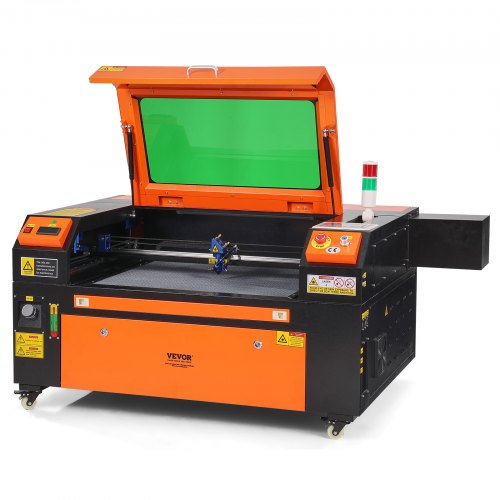
The Art of Precision: Exploring the World of Engraving Machines
Engraving machines are a marvel of modern technology, combining precision engineering with artistic creativity. These versatile tools have revolutionized the way we personalize and customize a wide range of materials, from metal and wood to glass and plastic.
One of the key features that sets engraving machines apart is their ability to etch intricate designs and patterns with incredible accuracy. Whether you’re looking to add a personalized touch to a gift or create intricate signage for your business, an engraving machine offers unmatched precision and detail.
Engraving machines come in various types, including laser engravers, rotary engravers, and CNC engraving machines. Each type offers unique capabilities and advantages, making it essential to choose the right machine for your specific needs.
Laser engraving machines use high-powered lasers to vaporize material and create precise markings on a surface. This technology is ideal for creating detailed designs on a wide range of materials, including metal, wood, acrylic, and leather.
Rotary engraving machines utilize rotating cutting tools to carve designs into materials such as plastics, metals, and wood. These machines are commonly used for creating signs, trophies, and personalized gifts with a high level of detail.
CNC (Computer Numerical Control) engraving machines are programmable devices that use computer-controlled movements to etch designs onto various materials. These versatile machines can be used for both 2D and 3D engraving tasks, making them popular in industries such as jewelry making and industrial manufacturing.
Whether you’re a hobbyist looking to explore your creative side or a professional seeking to enhance your business offerings, investing in an engraving machine can open up a world of possibilities. With their precision accuracy and versatility, these innovative tools are sure to elevate your projects to new heights of craftsmanship.
6 Essential Safety and Performance Tips for Using an Engraving Machine
- Always wear appropriate safety gear, such as goggles and gloves, when operating an engraving machine.
- Ensure the material you are engraving is securely fastened to the machine’s work surface to prevent movement during the engraving process.
- Regularly clean and maintain the engraving machine to ensure optimal performance and longevity.
- Adjust the engraving depth and speed settings based on the material being engraved to achieve the desired results.
- Practice on scrap material before starting a new engraving project to fine-tune your settings and techniques.
- Follow manufacturer guidelines and instructions for operating the specific model of engraving machine you are using.
Always wear appropriate safety gear, such as goggles and gloves, when operating an engraving machine.
When operating an engraving machine, it is crucial to prioritize safety by wearing appropriate protective gear, including goggles and gloves. These safety measures help safeguard your eyes and hands from potential hazards such as debris or laser exposure, ensuring a secure working environment. By adhering to safety protocols and wearing the necessary equipment, you can confidently operate the engraving machine while minimizing risks and prioritizing your well-being.
Ensure the material you are engraving is securely fastened to the machine’s work surface to prevent movement during the engraving process.
To ensure optimal results when using an engraving machine, it is crucial to securely fasten the material you are working with to the machine’s work surface. This step helps prevent any unwanted movement or shifting during the engraving process, ensuring that your design is executed with precision and accuracy. By securely anchoring the material in place, you can minimize the risk of errors and ensure that your finished product meets your expectations.
Regularly clean and maintain the engraving machine to ensure optimal performance and longevity.
Regularly cleaning and maintaining your engraving machine is essential to ensure optimal performance and longevity. By keeping the machine free of dust, debris, and residue buildup, you can prevent potential issues such as reduced precision and malfunctions. Regular maintenance tasks, such as lubricating moving parts and checking for wear and tear, can help extend the lifespan of your engraving machine and ensure that it continues to deliver high-quality results for years to come.
Adjust the engraving depth and speed settings based on the material being engraved to achieve the desired results.
To achieve optimal results when using an engraving machine, it is crucial to adjust the engraving depth and speed settings according to the material being engraved. By fine-tuning these settings based on the specific characteristics of the material, such as hardness and density, you can ensure that the engraving process is precise and yields the desired outcome. This attention to detail not only enhances the quality of the engraving but also prolongs the lifespan of your machine by preventing unnecessary wear and tear.
Practice on scrap material before starting a new engraving project to fine-tune your settings and techniques.
Before embarking on a new engraving project, it is highly recommended to practice on scrap material first. This crucial step allows you to fine-tune your settings and techniques, ensuring that you achieve the desired results when working on your actual piece. By experimenting with different parameters and testing various approaches on scrap material, you can gain valuable insights and confidence that will ultimately lead to a more successful and polished engraving project.
Follow manufacturer guidelines and instructions for operating the specific model of engraving machine you are using.
To ensure optimal performance and safety when using an engraving machine, it is crucial to follow the manufacturer’s guidelines and instructions tailored to the specific model you are operating. By adhering to these recommendations, you can maximize the efficiency of the machine while minimizing the risk of errors or accidents. Manufacturers provide detailed instructions on setup, operation, maintenance, and troubleshooting, empowering users to make the most of their engraving equipment with confidence and precision.
No Responses