The Art of Precision: CNC Engraving for Wood
Woodworking has always been a craft that requires skill, patience, and attention to detail. With the advent of CNC (Computer Numerical Control) technology, engraving intricate designs on wood has reached a whole new level of precision and creativity.
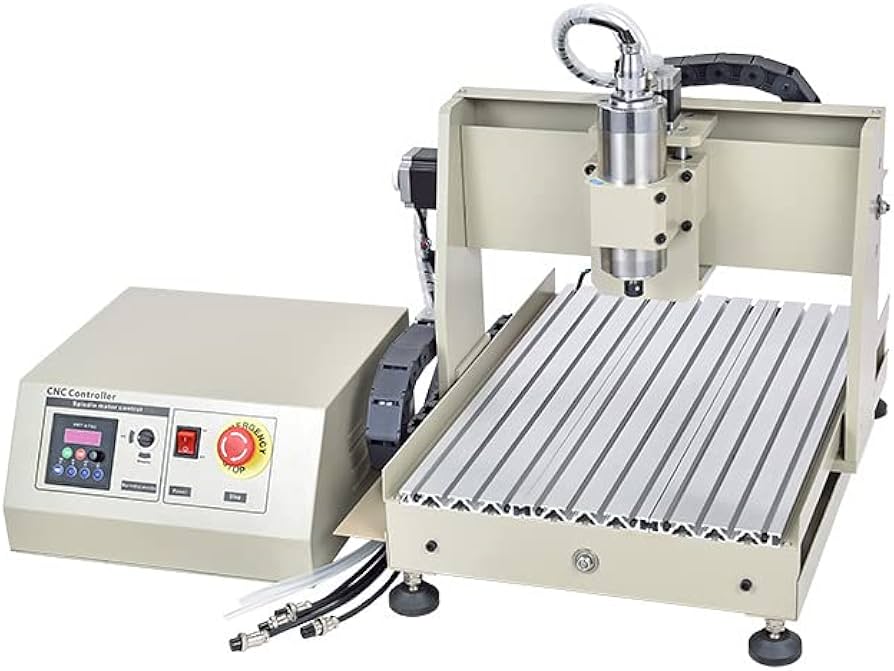
A CNC engraver for wood is a powerful tool that allows artisans and craftsmen to transform plain wooden surfaces into works of art. Whether you’re creating custom furniture, decorative plaques, or personalized gifts, a CNC engraver can bring your designs to life with unparalleled accuracy.
One of the key advantages of using a CNC engraver for wood is the ability to replicate complex patterns and designs with consistency. Traditional hand engraving techniques can be time-consuming and prone to human error, but a CNC machine follows digital instructions precisely, ensuring uniformity across multiple pieces.
Furthermore, CNC engraving opens up a world of creative possibilities. Intricate filigree patterns, detailed portraits, and custom text can all be engraved onto wood with remarkable clarity and depth. The versatility of CNC technology allows artisans to experiment with different techniques and styles, pushing the boundaries of traditional woodworking.
Another benefit of using a CNC engraver for wood is the speed at which designs can be executed. What might have taken hours or even days to carve by hand can now be accomplished in a fraction of the time with a CNC machine. This efficiency not only saves time but also allows craftsmen to take on more projects and explore new avenues of creativity.
Whether you’re a seasoned woodworker looking to enhance your craft or an aspiring artist eager to explore new mediums, a CNC engraver for wood offers endless possibilities for expression and innovation. Embrace the art of precision with this cutting-edge technology and unlock the full potential of your woodworking endeavors.
5 Essential Tips for Mastering Wood Engraving with a CNC Machine
- Use the appropriate bit for the type of wood you are engraving.
- Ensure your wood is securely fastened to prevent movement during engraving.
- Adjust the spindle speed and feed rate based on the hardness of the wood.
- Regularly check and replace dull bits to maintain clean and precise engravings.
- Calibrate your CNC machine regularly to ensure accurate depth and alignment.
Use the appropriate bit for the type of wood you are engraving.
When using a CNC engraver for wood, it is crucial to select the appropriate bit for the type of wood you are engraving. Different woods have varying hardness levels and grain patterns, which can affect the cutting performance of the engraving bit. Choosing the right bit ensures clean and precise cuts, minimizes the risk of splintering or tear-out, and ultimately enhances the quality of your engraved design. By matching the bit to the specific characteristics of the wood, you can achieve optimal results and bring out the natural beauty of your wooden creations with finesse and accuracy.
Ensure your wood is securely fastened to prevent movement during engraving.
To achieve precise and flawless engraving results with your CNC engraver for wood, it is crucial to ensure that your wood material is securely fastened in place to prevent any movement during the engraving process. Securing the wood firmly not only maintains the accuracy of the design but also prevents any potential errors or misalignments that can occur if the material shifts. By taking this simple yet essential step, you can guarantee a smooth and successful engraving operation, producing high-quality woodwork with impeccable detail and precision.
Adjust the spindle speed and feed rate based on the hardness of the wood.
To achieve optimal results when using a CNC engraver for wood, it is crucial to adjust the spindle speed and feed rate according to the hardness of the wood being engraved. Harder woods require slower spindle speeds and lower feed rates to prevent burning or splintering, while softer woods can withstand higher speeds and faster feed rates for efficient cutting without compromising quality. By fine-tuning these settings based on the specific characteristics of the wood, craftsmen can ensure smooth, precise engraving that enhances the overall quality of their woodworking projects.
Regularly check and replace dull bits to maintain clean and precise engravings.
Regularly checking and replacing dull bits is essential for maintaining clean and precise engravings with a CNC engraver for wood. Dull bits can compromise the quality of the engraving, resulting in uneven cuts and blurred lines. By ensuring that your bits are sharp and in good condition, you can achieve crisp and detailed engravings that truly showcase the precision of your work. Make it a priority to monitor the sharpness of your bits and replace them as needed to keep your CNC engraver operating at its best.
Calibrate your CNC machine regularly to ensure accurate depth and alignment.
Regular calibration of your CNC machine is crucial to maintaining precise depth and alignment when engraving wood. By ensuring that your machine is properly calibrated, you can avoid errors in your engravings and achieve consistent results with every project. Taking the time to calibrate your CNC engraver regularly will not only enhance the quality of your work but also save you time and materials in the long run. Prioritizing calibration as part of your routine maintenance routine will help you unleash the full potential of your CNC machine and elevate your woodworking creations to new levels of precision and excellence.
No Responses