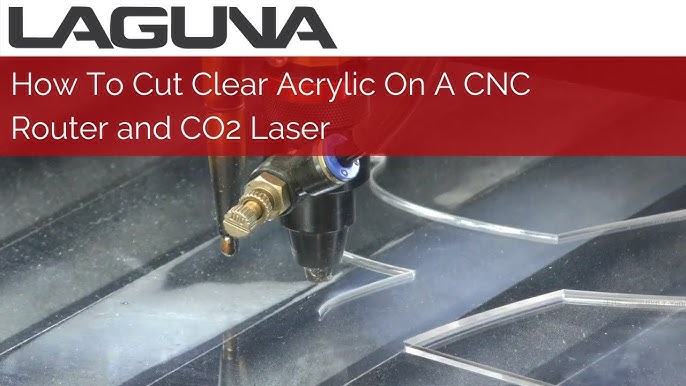
The Beauty of CNC Cut Acrylic: Precision and Versatility
Acrylic, known for its clarity, durability, and versatility, has become a popular material in various industries. When combined with the precision of CNC cutting technology, acrylic takes on a whole new level of beauty and functionality.
CNC (Computer Numerical Control) cutting is a process that uses computerized machinery to precisely cut materials according to programmed designs. When applied to acrylic, CNC cutting allows for intricate and detailed cuts that traditional methods may struggle to achieve.
One of the key advantages of CNC cut acrylic is its precision. Whether you need intricate shapes, sharp angles, or smooth curves, CNC technology ensures that each cut is executed with utmost accuracy. This precision is especially beneficial for industries such as signage, displays, prototyping, and art installations where accuracy is paramount.
Furthermore, CNC cut acrylic offers a high level of consistency. Unlike manual cutting methods that may result in variations from piece to piece, CNC technology ensures uniformity across multiple pieces. This consistency not only enhances the aesthetic appeal but also improves the overall quality and functionality of the finished product.
Another advantage of CNC cut acrylic is its versatility. With the ability to create complex designs quickly and efficiently, CNC cutting opens up a world of creative possibilities. Whether you’re looking to produce intricate patterns, detailed engravings, or custom shapes, CNC technology allows you to bring your ideas to life with ease.
In addition to precision and versatility, CNC cut acrylic offers durability and longevity. Acrylic itself is a resilient material that resists yellowing and maintains its clarity over time. When combined with the precise cuts achieved through CNC technology, acrylic products are not only visually stunning but also built to last.
Whether you’re designing custom signage for your business, creating unique displays for an event, or crafting personalized artwork for your home, consider the beauty and benefits of CNC cut acrylic. With its unmatched precision, versatility, and durability, CNC cut acrylic opens up a world of creative possibilities for designers and manufacturers alike.
Top 5 FAQs About CNC Cut Acrylic: Precision, Advantages, Durability, and Industry Uses
- What is CNC cut acrylic?
- How precise is CNC cutting technology for acrylic?
- What are the advantages of using CNC cut acrylic?
- Is CNC cut acrylic durable?
- In which industries is CNC cut acrylic commonly used?
What is CNC cut acrylic?
CNC cut acrylic refers to the process of using Computer Numerical Control technology to precisely cut acrylic sheets according to programmed designs. This advanced cutting method allows for intricate and detailed cuts that traditional cutting techniques may struggle to achieve. With CNC technology, designers and manufacturers can create custom shapes, patterns, and engravings with exceptional precision and consistency. CNC cut acrylic is widely used in industries such as signage, displays, prototyping, and art installations due to its ability to deliver high-quality results that meet the most demanding specifications.
How precise is CNC cutting technology for acrylic?
CNC cutting technology for acrylic is renowned for its exceptional precision. By utilizing computerized machinery and advanced programming, CNC systems can achieve incredibly accurate cuts on acrylic materials. Whether it’s intricate shapes, fine details, or complex designs, CNC technology ensures that each cut is executed with meticulous precision. This level of accuracy makes CNC cutting ideal for industries where precision is critical, such as signage production, architectural modeling, and prototyping. With CNC technology, the precision of acrylic cuts is consistently high, resulting in flawless finished products that meet the most demanding specifications and exceed expectations.
What are the advantages of using CNC cut acrylic?
When it comes to utilizing CNC cut acrylic, the advantages are plentiful and significant. The precision offered by CNC technology ensures that intricate designs and complex shapes can be executed with utmost accuracy, surpassing the capabilities of traditional cutting methods. This precision not only enhances the aesthetic appeal of acrylic products but also contributes to their overall quality and functionality. Additionally, CNC cut acrylic provides a high level of consistency across multiple pieces, ensuring uniformity in design and dimensions. The versatility of CNC cutting allows for the creation of custom shapes, detailed engravings, and intricate patterns, opening up a world of creative possibilities for designers and manufacturers. Moreover, the durability and longevity of acrylic combined with CNC precision result in products that are not only visually striking but also built to withstand the test of time.
Is CNC cut acrylic durable?
When it comes to CNC cut acrylic, durability is a common concern among customers. CNC cut acrylic is indeed a durable material, known for its resilience and longevity. The precision of CNC cutting technology ensures that acrylic pieces are cut with accuracy and consistency, enhancing their overall strength and durability. Acrylic itself is a robust material that resists yellowing, cracking, and fading over time, making it an excellent choice for various applications. Whether used for signage, displays, prototypes, or decorative elements, CNC cut acrylic combines the durability of the material with the precision of CNC cutting to deliver long-lasting and reliable products that stand the test of time.
In which industries is CNC cut acrylic commonly used?
CNC cut acrylic finds widespread usage across various industries due to its versatility and precision. In the signage industry, CNC cut acrylic is commonly employed to create eye-catching displays, logos, and lettering with intricate designs. The retail sector utilizes CNC cut acrylic for producing product displays, signage, and branding elements that enhance visual appeal. Additionally, the architectural and interior design industries leverage CNC cut acrylic for creating decorative panels, lighting fixtures, and custom installations that add a touch of sophistication to spaces. From art and design to manufacturing and beyond, CNC cut acrylic serves as a versatile material that meets the diverse needs of industries seeking high-quality, precise solutions.
No Responses