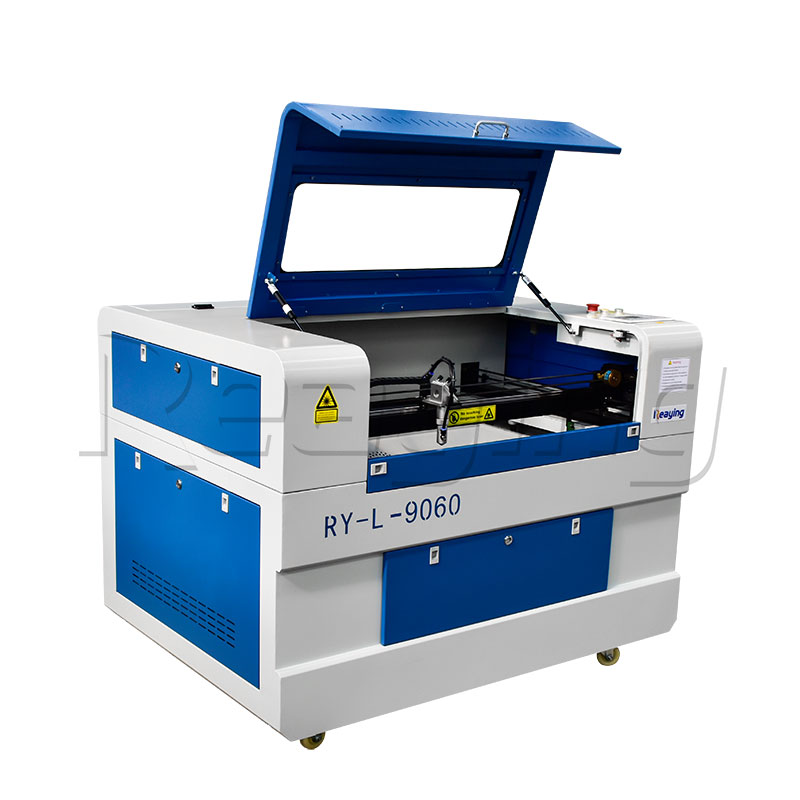
Leather Laser Cutting Machine: A Guide to Precision, Materials, and Safe Operation
A leather laser cutting machine uses a focused beam of light to cut, engrave, or mark leather with accuracy and repeatability. From custom wallets and handbags to footwear components and decorative designs, laser technology can help makers and manufacturers produce detailed work while reducing the need for cutting dies or manual trimming.
Choosing the right machine involves more than comparing power ratings. Leather type, project size, design complexity, ventilation, and production volume all matter. This guide covers how leather laser cutting works, what to consider before buying a machine, and how to use it responsibly.
How Laser Cutting Works on Leather
A laser cutter directs concentrated energy onto a material. The heat separates or alters the leather along a programmed path, following a design created in compatible graphics or CAD software. Depending on the settings and material, a machine can cut all the way through the leather or create a shallower engraved mark.
Many leather projects use a CO₂ laser, which is commonly suited to processing nonmetallic materials. The best results depend on the machine, the leather’s composition and thickness, and careful adjustment of speed, power, and focus. Settings should always be tested on a scrap piece from the same material batch before production.
Benefits of Laser Cutting Leather
- Detailed designs: Lasers can follow intricate curves, small openings, and fine patterns that may be difficult to cut by hand.
- Repeatable results: Once a design and process are tested, the same file can be used to create consistent parts.
- Flexible production: Digital designs can be changed without producing a new physical cutting die.
- Engraving capabilities: Many systems can both cut outlines and add decorative details, logos, or text.
- Efficient material planning: Nesting multiple shapes on a sheet can help make better use of available leather, although natural variation and defects must be considered.
Which Leather Can Be Laser Cut?
Leather varies widely in tanning method, finish, thickness, and chemical treatment. Vegetable-tanned leather is commonly used for laser projects, but suitability depends on the specific product and machine. Finished, dyed, coated, or bonded leather may behave differently and can produce unexpected results.
Do not assume that every material labeled “leather” is safe to laser. Some leather, especially chrome-tanned leather, can release hazardous fumes when heated. Synthetic leather and imitation leather may contain PVC or other materials that can produce dangerous or corrosive emissions. Check the material’s composition and safety documentation with the supplier before processing it. When in doubt, do not laser it.
What to Consider When Choosing a Machine
Work area
Choose a bed size that accommodates your typical leather pieces and the largest designs you plan to produce. A larger work area can be useful for sheets or batch production, but it may require more space and a higher equipment budget.
Laser type and power
CO₂ lasers are widely used for cutting and engraving nonmetallic materials such as leather. The appropriate power depends on the leather’s thickness, the desired edge quality, and your production needs. More power is not automatically better: controlled testing and suitable settings are essential for clean, consistent results.
Motion system and accuracy
For detailed patterns, look for a machine that moves smoothly and maintains consistent positioning. Software compatibility, file formats, and the ease of setting up jobs can also have a major impact on day-to-day productivity.
Air assist and extraction
Air assist can help manage heat and debris around the cutting area, while a properly designed exhaust system removes smoke and fumes. Confirm that the machine can be connected to suitable ventilation and that its filtration or exhaust setup is appropriate for the materials being processed.
Support and maintenance
Ask about training, technical support, replacement parts, and routine maintenance. A machine’s usable value depends not only on its specifications but also on how reliably it can be operated and serviced.
Preparing a Leather Laser-Cutting Job
- Confirm the material: Identify the leather type, tanning method, finish, and any coatings. Review supplier information before processing it.
- Prepare the design: Use the required vector or graphics format. Check dimensions, paths, and duplicate lines so the laser does not make unnecessary passes.
- Inspect and position the leather: Leather is a natural material, so check for scars, wrinkles, and uneven areas. Secure it flat without stretching or distorting it.
- Set focus and test: Focus the laser according to the manufacturer’s instructions. Test settings on scrap from the same piece or batch.
- Run a monitored job: Stay with the machine while it is operating and follow all operating and fire-safety procedures.
- Inspect the result: Check cut-through, edge appearance, engraving depth, and dimensional accuracy before producing a full batch.
Safety and Ventilation
Laser cutting leather produces smoke and fumes, and the material can ignite. Operate the machine only with effective exhaust ventilation and in accordance with the manufacturer’s safety instructions. Keep the work area clean, use the required protective equipment, and never leave an active laser unattended. Keep an appropriate fire extinguisher nearby and make sure operators know how to respond to an emergency.
Material safety is especially important. Never process leather or leather substitutes with unknown coatings or chemical content. Avoid materials that may contain PVC, and do not laser chrome-tanned leather unless qualified safety documentation and equipment guidance establish that the process is appropriate. A fume extractor does not make an unsuitable material safe by itself.
Common Challenges and How to Address Them
- Uneven cutting: Check that the leather is flat, the focus is correct, and the material thickness is consistent.
- Dark or scorched edges: Test adjustments to speed, power, and air assist. Results vary by leather type and finish.
- Inconsistent engraving: Natural grain and color differences can affect appearance. Test the design in several areas before committing to a finished product.
- Excessive smoke: Stop the job if ventilation is inadequate or the material behaves unexpectedly. Inspect the exhaust system and confirm that the material is suitable.
- Wasted material: Arrange shapes carefully, account for leather defects, and leave enough spacing for reliable cutting.
Is a Leather Laser Cutting Machine Right for Your Business?
A laser cutter can be a practical investment for leatherworkers, product designers, custom shops, and manufacturers who need intricate designs or repeatable parts. It may be less suitable when production requires materials that cannot be safely processed, when manual methods are more economical, or when a suitable ventilation and safety setup is unavailable.
Before purchasing, define the materials and products you plan to make, estimate your production volume, and compare machines based on usable work area, support, ventilation requirements, and tested results—not just advertised power. A carefully selected and properly operated leather laser cutting machine can bring greater precision and design flexibility to leather production.
9 Benefits of a Leather Laser Cutting Machine
- Cuts intricate leather patterns with precision.
- Produces consistent results across repeated jobs.
- Supports fast prototyping and custom designs.
- Cuts and engraves with one machine.
- Reduces reliance on physical cutting dies.
- Handles curves and fine details cleanly.
- Makes digital design changes easy.
- Can improve material layout and nesting.
- Works well for small-batch production.
7 Drawbacks of Leather Laser Cutting Machines
- High upfront equipment cost
- Requires effective fume extraction
- Some leather types are unsafe to laser
- Can leave dark or scorched edges
- Needs frequent cleaning and maintenance
- Requires careful setup and test cuts
- Fire risk if left unattended
Cuts intricate leather patterns with precision.
A leather laser cutting machine can reproduce intricate patterns with impressive precision, including fine curves, small openings, and detailed decorative elements. Because the laser follows a digital design, it can create clean, consistent cuts that are difficult to achieve by hand—making it a useful choice for custom accessories, detailed embellishments, and repeatable production.
Produces consistent results across repeated jobs.
A leather laser cutting machine helps produce consistent results across repeated jobs by following the same digital design and cutting path each time. Once the settings are tested and properly adjusted for a specific type and thickness of leather, operators can reproduce patterns with reliable dimensions and details. This repeatability is especially valuable for creating matching product components, fulfilling larger orders, and maintaining a uniform look across a collection.
Supports fast prototyping and custom designs.
A leather laser cutting machine makes it easy to turn a digital idea into a physical sample, helping designers test shapes, fit, and details without waiting for custom cutting dies. When a design changes, the file can be updated quickly, making small-batch production and one-of-a-kind pieces more practical. This flexibility supports faster prototyping and makes it easier to create personalized products, intricate patterns, and custom designs with consistent precision.
Cuts and engraves with one machine.
A leather laser cutting machine can cut shapes and engrave details in a single setup, so there’s no need to switch between separate tools for outlining a piece and adding a design. The same machine can trim a wallet panel, then mark it with a logo, pattern, or text—helping streamline production, reduce handling, and keep the finished design aligned.
Reduces reliance on physical cutting dies.
A leather laser cutting machine reduces reliance on physical cutting dies by creating shapes directly from digital design files. Instead of making or storing a separate die for each pattern, users can update designs in software and switch between jobs with minimal setup. This can save time and storage space, especially for custom orders, prototypes, and short production runs, while making design revisions easier and more cost-effective.
Handles curves and fine details cleanly.
A leather laser cutting machine can follow intricate curves and fine details with impressive precision. It cuts directly from a digital design, making it easier to create smooth contours, small openings, delicate patterns, and consistent edges that may be difficult to achieve by hand. This capability is especially useful for custom leather goods, decorative accents, and designs that require a clean, professional finish.
Makes digital design changes easy.
A leather laser cutting machine makes design changes easy because updates can be made directly in the digital file—no new cutting die or template is required. Adjust a shape, resize a pattern, add a logo, or test a new detail, then send the revised design to the machine. This flexibility helps leatherworkers create custom products, respond to customer requests, and refine designs with less setup time and material waste.
Can improve material layout and nesting.
A leather laser cutting machine can improve material layout and nesting by arranging multiple pattern pieces closely together within a hide or sheet. This helps reduce unused space and material waste while making it easier to plan around natural marks, edges, and defects in the leather. Digital nesting also allows designs to be adjusted quickly, helping businesses use each piece of material more efficiently and keep production consistent.
Works well for small-batch production.
A leather laser cutting machine is well suited to small-batch production because designs can be adjusted digitally without the time and expense of creating new cutting dies. This makes it easier to produce limited runs, personalized items, prototypes, or several variations of a product. With a tested design file and consistent material setup, makers can also reproduce detailed cuts across a batch while keeping production flexible.
High upfront equipment cost
One drawback of a leather laser cutting machine is its high upfront equipment cost. In addition to the machine itself, buyers may need to budget for ventilation, filtration, software, installation, and operator training. These expenses can be difficult for small businesses or hobbyists to justify, especially when production volume is low. Before investing, compare the total setup cost with expected savings in labor, materials, and production time.
Requires effective fume extraction
A leather laser cutting machine requires effective fume extraction because cutting and engraving can release smoke, odors, and potentially harmful airborne contaminants. The extraction system must be suitable for the materials being processed and properly vent fumes away from the operator and workspace. Without adequate ventilation, fumes can build up, creating health risks, unpleasant working conditions, and residue on the machine. Extraction adds equipment, installation, and maintenance costs, so it should be considered when planning a laser-cutting setup.
Some leather types are unsafe to laser
Some types of leather are unsafe to laser cut because heating them can release hazardous fumes. Chrome-tanned leather and materials with unknown coatings or chemical treatments may produce toxic or corrosive emissions, while synthetic leather containing PVC can release especially dangerous gases. Always verify a material’s composition and safety documentation before processing it, and never rely on ventilation alone to make an unsuitable material safe.
Can leave dark or scorched edges
A drawback of using a leather laser cutting machine is that it can leave dark or scorched edges. The laser’s heat may discolor the cut line, especially if the settings are too powerful or the material is sensitive. Because leather varies in thickness, finish, and composition, results can also differ across a single piece. Testing on scrap material and adjusting the speed, power, and air assist can help reduce scorching, but some edge darkening may still occur.
Needs frequent cleaning and maintenance
A leather laser cutting machine needs frequent cleaning and maintenance to keep cuts precise and operation reliable. Leather dust, residue, and smoke can build up on the lens, mirrors, cutting bed, and exhaust system, potentially reducing laser performance, causing uneven results, or creating safety risks. Regularly cleaning these components, checking alignment, and following the manufacturer’s maintenance schedule takes time and can add to operating costs.
Requires careful setup and test cuts
Leather laser cutting machines require careful setup to achieve clean, consistent results. Operators need to position and focus the material correctly, then adjust settings such as speed and power for the leather’s type and thickness. Because natural leather can vary in texture and finish, test cuts on scrap from the same piece are often necessary before starting the final job. Skipping these steps can lead to scorched edges, incomplete cuts, or wasted material.
Fire risk if left unattended
One important drawback of a leather laser cutting machine is the risk of fire if it is left unattended. The laser’s heat can ignite leather, especially if the material is too close to the beam for too long or if sparks and debris build up in the work area. Operators should monitor every job from start to finish, keep the machine clean, follow the manufacturer’s safety instructions, and have appropriate fire-safety equipment nearby.
No Responses