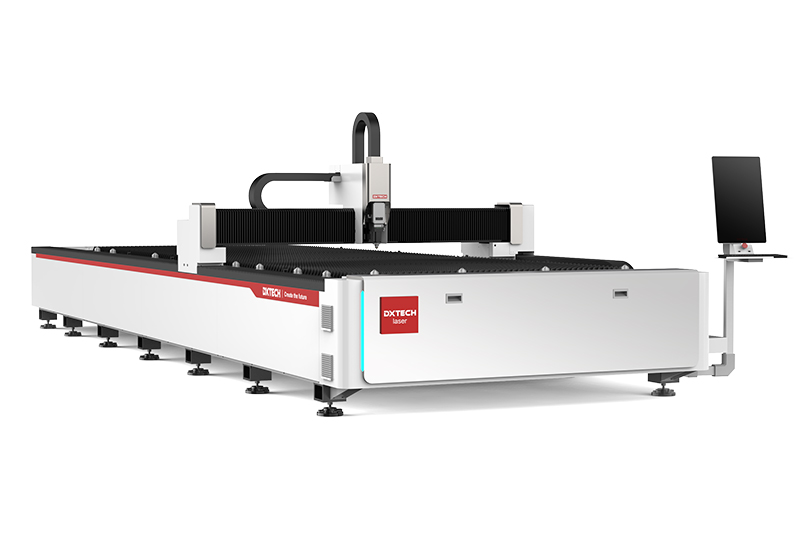
Fiber Laser Cutter Price: What to Expect and What Affects the Cost
A fiber laser cutter can be a major investment, whether you’re starting a metal fabrication business or upgrading an established production line. Prices vary widely depending on the machine’s power, cutting area, automation, and included support. Understanding these factors can help you compare quotes and choose a system that fits your workload—not just your budget.
Typical Fiber Laser Cutter Price Ranges
As a general budgeting guide, new fiber laser cutting systems in the U.S. may fall into these broad price ranges:
- Entry-level machines: Approximately $30,000–$100,000 for lower-power systems with basic features.
- Midrange production machines: Approximately $100,000–$250,000 for higher power, larger work areas, or more production-ready configurations.
- High-power or highly automated systems: Approximately $250,000 to $1 million or more, depending on specifications and integrated equipment.
These figures are estimates, not guaranteed quotes. Prices can change based on the manufacturer, configuration, shipping, installation, and service package. Used machines may cost less, but their condition, maintenance history, and remaining service life should be carefully evaluated.
What Affects the Price?
Laser power
Laser power, measured in kilowatts (kW), is one of the biggest price factors. Higher-power machines can generally cut thicker material and may improve cutting speed for certain jobs. The right power level depends on the metals, thicknesses, and production volumes you expect—not simply on choosing the highest number available.
Cutting area and machine design
A larger cutting bed can handle bigger sheets and reduce the need to reposition material. Larger machines typically require more substantial frames, motion systems, and workspace, which can increase the purchase and installation cost.
Automation and material handling
Features such as automatic sheet loading and unloading, pallet changers, storage towers, and robotic handling can reduce manual work and support higher throughput. They also add to the upfront cost and may require changes to your facility.
Cutting head, controls, and software
The cutting head, CNC controls, nesting software, and operator interface influence both price and day-to-day usability. Check which software licenses and training are included, and whether the system works with your existing design and production tools.
Installation, training, and support
A quoted machine price may not include freight, rigging, electrical work, ventilation, commissioning, or operator training. Warranty coverage, local technical support, replacement parts, and response times also matter—particularly if downtime would disrupt production.
Costs Beyond the Purchase Price
The total cost of ownership includes more than the machine itself. When planning a budget, account for:
- Shipping, unloading, and installation
- Electrical upgrades and facility preparation
- Fume extraction and filtration
- Assist gases, such as nitrogen or oxygen
- Consumables, including nozzles and protective windows
- Routine maintenance, repairs, and replacement parts
- Software, training, and operator labor
Operating costs depend on the materials you cut, the production schedule, gas use, and maintenance needs. Ask suppliers for realistic operating-cost estimates based on your typical jobs.
How to Compare Fiber Laser Cutter Quotes
Before requesting quotes, list the materials and thicknesses you need to cut, your expected production volume, and the maximum sheet size you use. Then ask each supplier to quote a comparable configuration. Confirm the laser power, work area, included software, automation, delivery terms, warranty, installation, and training in writing.
It can also be useful to request a sample cut using your material. This lets you assess cut quality and production speed under conditions closer to your actual work. A lower-priced machine may be a good fit for occasional jobs, while a higher-priced system may offer better value if it significantly improves throughput or reduces labor.
Is a Fiber Laser Cutter Worth the Investment?
A fiber laser cutter may be a worthwhile investment for businesses that regularly process metal and need consistent, accurate cuts. The best choice is the machine that meets your production requirements at a sustainable total cost—not necessarily the cheapest model or the most powerful one. Compare complete quotes, verify the supplier’s support capabilities, and plan for operating expenses before making a decision.
Frequently Asked Questions
Why do fiber laser cutter prices vary so much?
Machines differ in laser power, cutting area, components, automation, software, service coverage, and installation requirements. Two systems with similar headline specifications may include very different equipment and support.
Does a higher-power laser always make more sense?
No. Higher power can be useful for thicker materials or demanding production schedules, but it may increase the purchase price and operating requirements. Match the specification to the work you expect to do.
What should I ask a supplier before buying?
Ask what is included in the price, what costs extra, how installation and training are handled, what the warranty covers, how service requests are supported, and how quickly common replacement parts are available.
Understanding Fiber Laser Cutter Costs: 7 Frequently Asked Questions
- How much does a fiber laser engraving machine cost?
- Is a fiber laser worth it?
- How much does a CNC fiber laser cutting machine cost?
- How much does a fiber laser cutter cost?
- What is the best fiber laser engraver under $1000?
- Why are fiber lasers so expensive?
- What is the price of 1000W fiber laser cutting machine?
How much does a fiber laser engraving machine cost?
A fiber laser engraving machine typically costs about $2,000 to $10,000 for a basic desktop or benchtop model, while enclosed, higher-powered, or production-grade systems can range from $10,000 to $30,000 or more. The final price depends on laser power, work area, enclosure and safety features, rotary attachments, software, automation, and warranty or support. Installation, training, and shipping may also add to the total, so compare complete quotes and choose a machine suited to the materials and production volume you expect.
Is a fiber laser worth it?
A fiber laser cutter can be worth the investment if you regularly cut metal and need reliable accuracy, speed, and consistent results. Whether it makes financial sense depends on your materials, production volume, labor costs, and budget. Compare the full cost of ownership—including installation, assist gas, maintenance, and consumables—with the time and production savings the machine could provide. For occasional or low-volume work, outsourcing or a lower-cost option may be more practical.
How much does a CNC fiber laser cutting machine cost?
A CNC fiber laser cutting machine can cost anywhere from about $30,000 for an entry-level system to several hundred thousand dollars or more for a high-power, automated production line. The price depends on factors such as laser power, cutting area, material-handling features, software, installation, and warranty support. For an accurate estimate, compare complete quotes based on the materials, thicknesses, and production volume you need to handle.
How much does a fiber laser cutter cost?
A fiber laser cutter can cost anywhere from about $30,000 for an entry-level machine to more than $1 million for a high-power, fully automated production system. Many midrange machines fall between $100,000 and $250,000. The final price depends on factors such as laser power, cutting area, automation, software, installation, and support. For an accurate estimate, request a quote based on the materials, thicknesses, and production volume you expect to handle.
What is the best fiber laser engraver under $1000?
The best fiber laser engraver under $1,000 is usually a used or refurbished unit, since new fiber systems capable of reliably engraving metal typically cost more. Before buying, confirm that the machine is genuinely a fiber laser—not a diode engraver marketed for metal marking—and check its laser power, working area, safety enclosure, software compatibility, warranty, and replacement-part availability. If no reputable fiber model fits your budget, a diode laser may work for wood and coated materials, but it is not a direct substitute for engraving bare metal; consider saving for a fiber machine or outsourcing metal engraving instead.
Why are fiber lasers so expensive?
Fiber laser cutters are expensive because they combine high-power laser sources with precision motion systems, specialized cutting heads, sensors, controls, and safety equipment. The machine also needs a rigid frame and advanced software to cut accurately and reliably, often during long production runs. Installation, training, warranties, and technical support can add to the price as well. The total cost depends on the machine’s power, work area, automation, and included services.
What is the price of 1000W fiber laser cutting machine?
A 1,000W fiber laser cutting machine typically costs about $20,000 to $60,000, depending on the cutting area, components, software, and included support. Compact or imported models may cost less, while systems that include installation, training, a larger worktable, or added automation can cost more. When comparing quotes, check whether shipping, taxes, fume extraction, and setup are included, since these expenses can increase the total investment.
No Responses