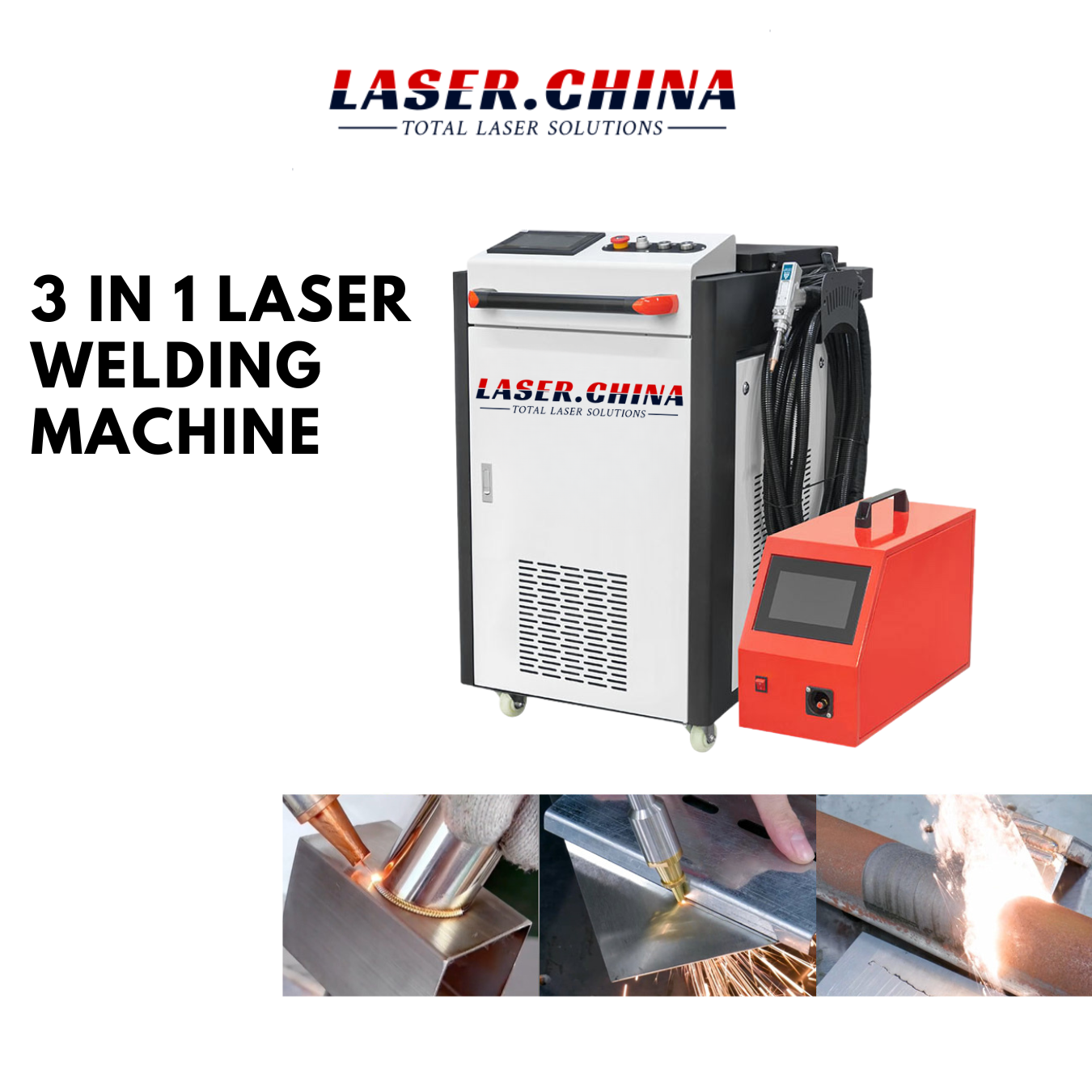
The Power of 3-in-1 Laser Welding Machines
When it comes to precision welding, efficiency is key. Enter the 3-in-1 laser welding machine – a game-changer in the world of manufacturing and fabrication. Combining three essential functions in one powerful device, these machines offer unmatched versatility and performance.
Welding
At the core of its functionality, the 3-in-1 laser welding machine excels at joining metal components with unparalleled accuracy and speed. By harnessing the power of laser technology, it creates strong and durable welds that meet the highest quality standards.
Cutting
But that’s not all – this versatile machine also doubles as a cutting tool. With precision beams that can slice through various materials with ease, it streamlines the manufacturing process by eliminating the need for separate cutting equipment.
Engraving
And as if welding and cutting weren’t impressive enough, the 3-in-1 laser welding machine goes a step further by offering engraving capabilities. Whether you need to mark components with serial numbers or create intricate designs on metal surfaces, this machine delivers precision engraving with finesse.
The Benefits
- Versatility: One machine, multiple functions – saving space and costs.
- Precision: Achieve intricate welds, cuts, and engravings with pinpoint accuracy.
- Efficiency: Streamline your workflow by consolidating multiple tasks into one seamless process.
- Quality: Produce high-quality results that meet industry standards and exceed expectations.
- Innovation: Stay ahead of the curve with advanced laser technology that unlocks new possibilities in manufacturing.
In conclusion, the 3-in-1 laser welding machine represents a leap forward in manufacturing technology. By combining welding, cutting, and engraving capabilities in a single device, it offers unparalleled versatility, efficiency, and precision. Whether you’re in automotive production, aerospace engineering, or jewelry design, this multifunctional machine is poised to revolutionize your workflow and elevate your creations to new heights.
8 Frequently Asked Questions About 3-in-1 Laser Welding Machines
- What is the cost of 3 in 1 welding machine?
- How much does a laser welding machine cost?
- Do those laser welders really work?
- Are laser welders worth it?
- What are the disadvantages of laser welding?
- Is laser welding stronger than MIG?
- What are the downsides of laser welding?
- Is laser welding as strong as MIG?
What is the cost of 3 in 1 welding machine?
The cost of a 3-in-1 laser welding machine can vary depending on several factors, including the brand, specifications, features, and additional accessories included. Generally, these machines are considered a significant investment due to their advanced technology and multifunctional capabilities. It is recommended to contact manufacturers or suppliers directly to inquire about pricing details and any available customization options to ensure that the machine meets your specific requirements and budget constraints.
How much does a laser welding machine cost?
The cost of a laser welding machine can vary significantly depending on several factors such as the machine’s power output, capabilities, brand reputation, and additional features. Generally, a basic entry-level laser welding machine may start at around $10,000 to $20,000, while more advanced models with higher power output and added functionalities can range from $30,000 to over $100,000. It is essential to consider not just the upfront cost but also the long-term benefits and return on investment that a high-quality laser welding machine can provide in terms of efficiency, precision, and overall productivity.
Do those laser welders really work?
The effectiveness of 3-in-1 laser welding machines is a common inquiry among those exploring advanced welding technology. Rest assured, these laser welders are not only real but also highly efficient and reliable. With their precision laser beams and versatile capabilities, these machines deliver exceptional welding, cutting, and engraving results with unmatched accuracy. Countless industries rely on the performance of 3-in-1 laser welding machines to streamline their production processes and achieve superior quality welds. So, to answer the question – yes, those laser welders really work, and they work exceptionally well, revolutionizing the way we approach metal fabrication and manufacturing tasks.
Are laser welders worth it?
When considering the investment in a 3-in-1 laser welding machine, the question of whether laser welders are worth it often arises. The answer lies in the unique advantages that laser welding technology offers. Laser welders provide unmatched precision, allowing for intricate welds with minimal heat-affected zones. They are highly efficient, speeding up production processes and reducing operational costs in the long run. Additionally, laser welders offer versatility by accommodating a wide range of materials and applications. While the initial cost may be higher than traditional welding methods, the superior quality, efficiency, and flexibility of laser welders make them a worthwhile investment for industries that prioritize precision and performance.
What are the disadvantages of laser welding?
Laser welding, while a highly efficient and precise process, does come with its own set of disadvantages. One common drawback is the initial cost of acquiring and setting up laser welding equipment, which can be significant compared to traditional welding methods. Additionally, laser welding may not be suitable for all materials, especially those with high reflectivity or thickness variations. Another challenge is the need for skilled operators to ensure proper alignment and calibration of the laser beam, which can impact the quality of welds. Furthermore, laser welding generates heat that could potentially distort or damage sensitive components if not carefully controlled. Despite these limitations, advancements in laser technology continue to address these issues and expand the capabilities of laser welding in various industries.
Is laser welding stronger than MIG?
When comparing laser welding to MIG (Metal Inert Gas) welding, the strength of the welds produced by each method depends on various factors such as material type, joint design, and welding parameters. Laser welding is known for its high precision and minimal heat-affected zone, resulting in strong and durable welds that exhibit excellent mechanical properties. On the other hand, MIG welding is valued for its versatility and ease of use, making it a popular choice for a wide range of applications. Ultimately, the strength of a weld produced by laser welding versus MIG welding will vary depending on the specific requirements of the project and the expertise of the operator.
What are the downsides of laser welding?
Laser welding, while a highly efficient and precise method of joining materials, does have some potential downsides to consider. One common concern is the initial cost of acquiring and setting up laser welding equipment, which can be higher compared to traditional welding methods. Additionally, the maintenance and repair of laser welding machines may require specialized knowledge and training, adding to operational expenses. Another challenge is the limited thickness of materials that can be effectively welded with lasers, as extremely thick or reflective materials may pose difficulties for the process. Furthermore, safety precautions must be strictly followed when working with lasers to prevent potential hazards such as eye damage from exposure to intense light beams. Despite these drawbacks, the benefits of laser welding in terms of speed, precision, and quality often outweigh these considerations for many industries seeking advanced welding solutions.
Is laser welding as strong as MIG?
When comparing laser welding to MIG welding in terms of strength, it’s important to consider the specific application and material being welded. While MIG welding is known for its versatility and strength in joining thicker materials, laser welding offers its own set of advantages. Laser welding can produce welds with high precision and minimal heat-affected zones, resulting in strong and durable joints. Additionally, laser welding is often preferred for applications requiring intricate designs or where minimizing distortion is crucial. Ultimately, the strength of a laser weld compared to a MIG weld depends on various factors such as material type, joint design, and welding parameters.
No Responses