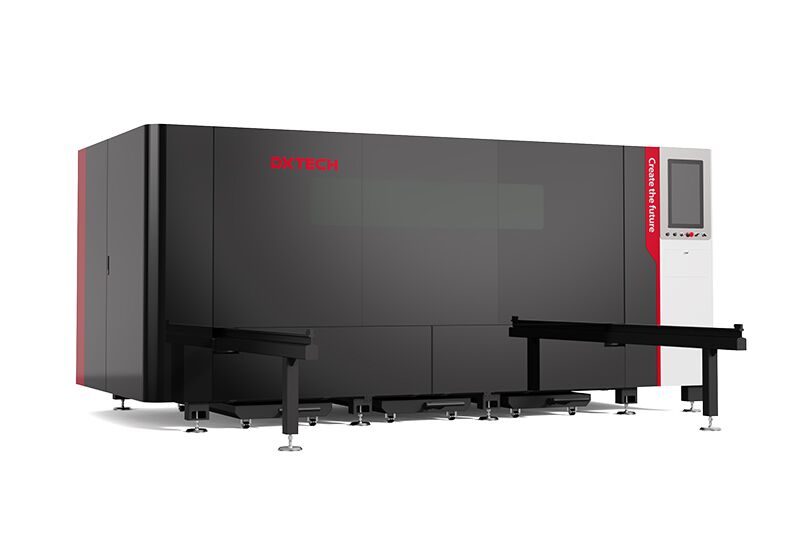
The Power of Fiber Laser Metal Cutting Machines
When it comes to precision cutting of metal materials, fiber laser metal cutting machines have revolutionized the industry. These cutting-edge machines utilize advanced fiber laser technology to deliver unparalleled accuracy and efficiency in metal fabrication.
One of the key advantages of fiber laser metal cutting machines is their ability to cut through a wide range of metal materials with exceptional speed and precision. Whether it’s stainless steel, aluminum, copper, or other alloys, fiber lasers can effortlessly slice through these materials with minimal heat-affected zones and superior edge quality.
Compared to traditional cutting methods such as plasma or flame cutting, fiber laser technology offers significant benefits. The focused beam of a fiber laser ensures a narrow kerf width, resulting in minimal material wastage and higher cutting speeds. This translates to increased productivity and cost savings for manufacturers.
Moreover, fiber laser metal cutting machines are known for their versatility and flexibility. With the ability to perform intricate cuts and patterns with ease, these machines are ideal for a wide range of industries, including automotive, aerospace, electronics, and more. Whether you need to cut thin sheets or thick plates, fiber lasers can handle the job with precision.
Another advantage of fiber laser technology is its low maintenance requirements and energy efficiency. Unlike traditional CO2 lasers that require frequent maintenance and consume more power, fiber lasers are designed for long-term reliability and reduced operating costs. This makes them an attractive investment for businesses looking to enhance their manufacturing capabilities.
In conclusion, fiber laser metal cutting machines represent the future of metal fabrication technology. With their unmatched precision, speed, versatility, and cost-effectiveness, these machines are transforming the way manufacturers approach metal cutting processes. As industries continue to demand higher quality standards and faster turnaround times, fiber lasers are poised to play a crucial role in meeting these evolving needs.
Everything You Need to Know About Fiber Laser Metal Cutting Machines: FAQs and Expert Insights
- What is a fiber laser metal cutting machine?
- How does a fiber laser metal cutting machine work?
- What types of metal materials can be cut with a fiber laser machine?
- What are the advantages of using a fiber laser metal cutting machine over other cutting methods?
- What industries commonly use fiber laser metal cutting machines?
- Are fiber laser metal cutting machines easy to maintain?
- What factors should be considered when choosing a fiber laser metal cutting machine?
What is a fiber laser metal cutting machine?
A fiber laser metal cutting machine is a state-of-the-art tool used in metal fabrication that harnesses the power of fiber laser technology to precisely cut through various types of metal materials. Unlike traditional cutting methods, such as plasma or flame cutting, fiber lasers produce a focused beam of light that delivers exceptional accuracy and efficiency. These machines are capable of cutting through metals like stainless steel, aluminum, and copper with minimal heat-affected zones, resulting in superior edge quality and reduced material wastage. With their versatility, speed, and cost-effectiveness, fiber laser metal cutting machines have become indispensable in industries requiring high-precision metal cutting solutions.
How does a fiber laser metal cutting machine work?
A fiber laser metal cutting machine operates by generating a high-intensity laser beam through a fiber optic cable and directing it onto the surface of the metal workpiece. The focused laser beam rapidly heats and melts the material at the point of contact, while a high-pressure gas jet blows away the molten metal to create a precise cut. This process, known as thermal laser cutting, results in minimal heat-affected zones and superior edge quality, making fiber lasers ideal for achieving intricate cuts with high precision. By harnessing advanced fiber laser technology, these machines offer unmatched efficiency and accuracy in metal fabrication processes across various industries.
What types of metal materials can be cut with a fiber laser machine?
A fiber laser metal cutting machine is capable of cutting a wide range of metal materials with precision and efficiency. Commonly cut metals include stainless steel, aluminum, copper, brass, titanium, and various alloys. Whether it’s thin sheets or thick plates, fiber lasers can handle these materials with ease, delivering clean cuts and high-quality edges. The versatility of fiber laser technology allows for intricate cutting of different metal types, making it a versatile solution for various industries requiring precise metal fabrication processes.
What are the advantages of using a fiber laser metal cutting machine over other cutting methods?
When comparing fiber laser metal cutting machines to other cutting methods, the advantages are clear. Fiber lasers offer unparalleled precision, speed, and versatility in metal fabrication. Unlike traditional cutting methods like plasma or flame cutting, fiber lasers produce narrow kerf widths, resulting in minimal material wastage and higher cutting speeds. With the ability to cut through a wide range of metal materials with exceptional accuracy and edge quality, fiber lasers excel in industries where precision is paramount. Additionally, fiber laser technology boasts lower maintenance requirements and higher energy efficiency compared to CO2 lasers, making them a cost-effective and reliable choice for businesses seeking to enhance their manufacturing capabilities.
What industries commonly use fiber laser metal cutting machines?
Fiber laser metal cutting machines are widely utilized across various industries for their exceptional precision and efficiency. Industries that commonly rely on fiber laser technology include automotive, aerospace, electronics, medical device manufacturing, and metal fabrication. In the automotive sector, fiber lasers are used for cutting intricate components with tight tolerances. Aerospace companies leverage fiber laser machines to produce lightweight yet durable parts for aircraft and spacecraft. The electronics industry benefits from the precise cutting capabilities of fiber lasers for circuit boards and electronic components. Medical device manufacturers utilize fiber laser cutting machines to create intricate medical instruments and implants with high accuracy. Lastly, metal fabrication shops across different sectors employ fiber lasers for a wide range of applications due to their versatility and superior cutting quality.
Are fiber laser metal cutting machines easy to maintain?
Fiber laser metal cutting machines are known for their ease of maintenance, making them a preferred choice for many manufacturers. Unlike traditional CO2 lasers that require frequent adjustments and consumable replacements, fiber lasers are designed for minimal upkeep. With fewer moving parts and robust construction, these machines offer increased reliability and reduced downtime. Routine maintenance tasks such as cleaning optics and checking alignment are straightforward and can be easily performed by trained technicians. Overall, the simplified maintenance requirements of fiber laser metal cutting machines contribute to their cost-effectiveness and long-term operational efficiency.
What factors should be considered when choosing a fiber laser metal cutting machine?
When selecting a fiber laser metal cutting machine, several key factors should be taken into consideration to ensure optimal performance and efficiency. Firstly, the power output of the laser is crucial, as it determines the machine’s cutting capabilities on different metal thicknesses. Additionally, the size of the working area and the maximum cutting speed are important considerations based on your specific production needs. The laser source quality, such as beam stability and reliability, plays a significant role in achieving consistent cutting results. Furthermore, factors like maintenance requirements, software compatibility, and after-sales support should also be evaluated to make an informed decision when choosing a fiber laser metal cutting machine that best suits your business requirements.
No Responses