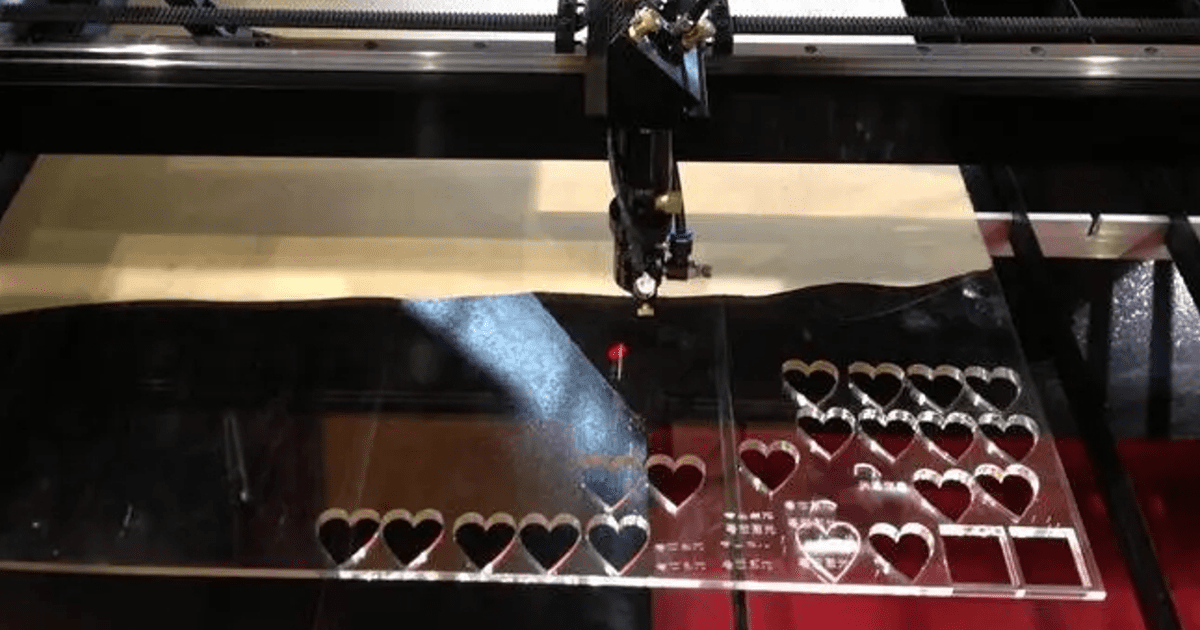
The Power of CO2 Laser Acrylic Cutting
Acrylic, a versatile material known for its clarity and durability, has become a popular choice in various industries, from signage to fabrication. When it comes to precision cutting of acrylic, CO2 laser technology stands out as a game-changer.
CO2 lasers emit a high-powered beam of infrared light that is absorbed by the acrylic material, resulting in a clean and precise cut. This technology offers numerous advantages over traditional cutting methods, such as sawing or routing.
Benefits of CO2 Laser Acrylic Cutting:
- Precision: CO2 lasers can achieve intricate cuts with exceptional accuracy, allowing for complex designs and shapes to be created with ease.
- Smooth Edges: The heat generated by the laser beam melts the acrylic, resulting in smooth edges that require minimal post-processing.
- Speed: CO2 lasers can cut through acrylic at high speeds, increasing efficiency and productivity in manufacturing processes.
- Versatility: From thin sheets to thick blocks, CO2 lasers can effectively cut acrylic of varying thicknesses without compromising quality.
- Cleanliness: Unlike traditional cutting methods that produce dust and debris, CO2 laser cutting is a clean process that minimizes waste and contamination.
Whether you’re creating intricate designs for artistic projects or precise components for industrial applications, CO2 laser acrylic cutting offers unmatched precision and efficiency. The ability to achieve complex cuts with smooth edges makes this technology indispensable for businesses looking to elevate their production capabilities.
Investing in CO2 laser technology for acrylic cutting not only improves the quality of your products but also enhances your overall workflow. With its speed, precision, and versatility, CO2 laser acrylic cutting is revolutionizing the way we work with acrylic materials across industries.
Experience the power of CO2 laser acrylic cutting and unlock new possibilities in design and fabrication today!
9 Advantages of CO2 Laser Cutting for Acrylic: Precision, Efficiency, and Sustainability
- 1. Precision cutting for intricate designs.
- 2. Smooth edges that require minimal post-processing.
- 3. High cutting speed for increased efficiency.
- 4. Versatile cutting capabilities for various acrylic thicknesses.
- 5. Clean process with minimal waste and debris.
- 6. Ability to create complex shapes with ease.
- 7. Minimal risk of material warping or distortion.
- 8. Reduced need for manual labor due to automation.
- 9. Environmentally friendly compared to traditional cutting methods.
Challenges of CO2 Laser Acrylic Cutting: Thermal Damage, High Costs, and Thickness Limitations
1. Precision cutting for intricate designs.
CO2 laser acrylic cutting offers unparalleled precision when it comes to creating intricate designs. The high-powered laser beam can navigate through the acrylic material with exceptional accuracy, allowing for the realization of complex and detailed patterns that traditional cutting methods may struggle to achieve. Whether it’s delicate filigree work or intricate geometric shapes, CO2 laser technology ensures that every cut is precise and flawless, making it the ideal choice for projects that demand the utmost precision and attention to detail.
2. Smooth edges that require minimal post-processing.
One of the standout advantages of CO2 laser acrylic cutting is the ability to achieve smooth edges that demand minimal post-processing. The precision of the laser beam results in clean, polished edges on acrylic materials, eliminating the need for extensive finishing work. This not only saves time and labor costs but also ensures a high-quality end product with a professional finish. The smooth edges produced by CO2 laser cutting enhance the overall aesthetics of acrylic creations, making them visually appealing and ready for immediate use or display.
3. High cutting speed for increased efficiency.
One of the key advantages of CO2 laser acrylic cutting is its high cutting speed, which contributes to increased efficiency in production processes. The ability of CO2 lasers to cut through acrylic material swiftly allows for rapid completion of projects, leading to shorter lead times and improved overall productivity. This high cutting speed not only saves time but also enhances the throughput of manufacturing operations, making CO2 laser acrylic cutting a valuable asset for businesses seeking to streamline their workflow and meet tight deadlines with ease.
4. Versatile cutting capabilities for various acrylic thicknesses.
One of the key advantages of CO2 laser acrylic cutting is its versatile cutting capabilities for various acrylic thicknesses. Whether you need to cut thin sheets or thick blocks of acrylic, CO2 lasers excel in delivering precise and clean cuts across a wide range of material thicknesses. This versatility allows for flexibility in design and production, making CO2 laser technology a valuable asset for industries that require precision cutting of acrylic materials of different thicknesses.
5. Clean process with minimal waste and debris.
One of the significant advantages of CO2 laser acrylic cutting is its clean process with minimal waste and debris. Unlike traditional cutting methods that can generate dust and residue, CO2 laser cutting produces precise cuts without leaving behind unwanted materials. This not only contributes to a cleaner working environment but also minimizes post-processing efforts, making the production process more efficient and environmentally friendly.
6. Ability to create complex shapes with ease.
The ability of CO2 laser acrylic cutting to create complex shapes with ease is a game-changer for industries that require intricate designs and precise detailing. With the precision and accuracy of CO2 lasers, businesses can effortlessly bring even the most intricate designs to life, allowing for a level of creativity and customization that was once unimaginable. This capability not only streamlines production processes but also opens up a world of possibilities for innovative products and projects that demand intricate shapes and patterns.
7. Minimal risk of material warping or distortion.
One significant advantage of CO2 laser acrylic cutting is the minimal risk of material warping or distortion. Unlike traditional cutting methods that can subject acrylic to heat buildup and mechanical stress, CO2 lasers provide a precise and controlled cutting process that minimizes the chances of warping or distortion. This ensures that the integrity of the acrylic material is maintained, resulting in clean, accurate cuts without compromising the quality of the final product.
8. Reduced need for manual labor due to automation.
One significant advantage of CO2 laser acrylic cutting is the reduced need for manual labor due to automation. By harnessing the power of advanced laser technology, tasks that once required extensive human intervention can now be automated, leading to increased efficiency and productivity. This automation not only streamlines the cutting process but also minimizes the risk of human error, ensuring consistent and precise results with minimal human intervention. As a result, businesses can optimize their operations, reduce labor costs, and focus on higher-value tasks while relying on CO2 laser technology to handle acrylic cutting with precision and reliability.
9. Environmentally friendly compared to traditional cutting methods.
One significant advantage of CO2 laser acrylic cutting is its environmental friendliness when compared to traditional cutting methods. The precision of CO2 lasers minimizes material waste, reducing the impact on the environment. Additionally, the clean and efficient process of laser cutting produces minimal dust and debris, contributing to a healthier work environment and reducing the need for extensive cleanup. By choosing CO2 laser technology for acrylic cutting, businesses can align with sustainable practices while maintaining high-quality production standards.
Potential for thermal damage
One significant drawback of CO2 laser acrylic cutting is the potential for thermal damage. As the laser beam interacts with the acrylic material, heat is generated, which can result in undesirable effects along the cut edges. This thermal damage may manifest as discoloration, melting, or roughening of the acrylic surface, compromising the overall quality of the cut. Careful consideration and precise control of laser parameters are essential to minimize thermal damage and ensure clean and precise cuts when using CO2 laser technology for acrylic cutting.
Cost of equipment and maintenance
One significant drawback of CO2 laser acrylic cutting is the high cost associated with the equipment and maintenance. While the precision and efficiency of CO2 lasers are undeniable, the initial investment required to purchase a quality laser cutting system can be substantial. Additionally, ongoing maintenance and servicing of the equipment are necessary to ensure optimal performance, adding to the overall cost of ownership. Businesses considering CO2 laser technology for acrylic cutting must carefully weigh the financial implications of acquiring and maintaining such equipment against the potential benefits it offers in terms of productivity and quality.
Limited thickness capacity
When considering the use of CO2 laser technology for acrylic cutting, one important limitation to keep in mind is its restricted thickness capacity. While CO2 lasers excel in precision cutting of various acrylic materials, they may struggle when it comes to handling very thick acrylics. In such cases, alternative cutting methods may be necessary to achieve the desired results for thicker cuts. It’s essential to evaluate the thickness requirements of your project carefully and consider the specific capabilities of CO2 lasers to ensure optimal outcomes in acrylic cutting applications.
No Responses