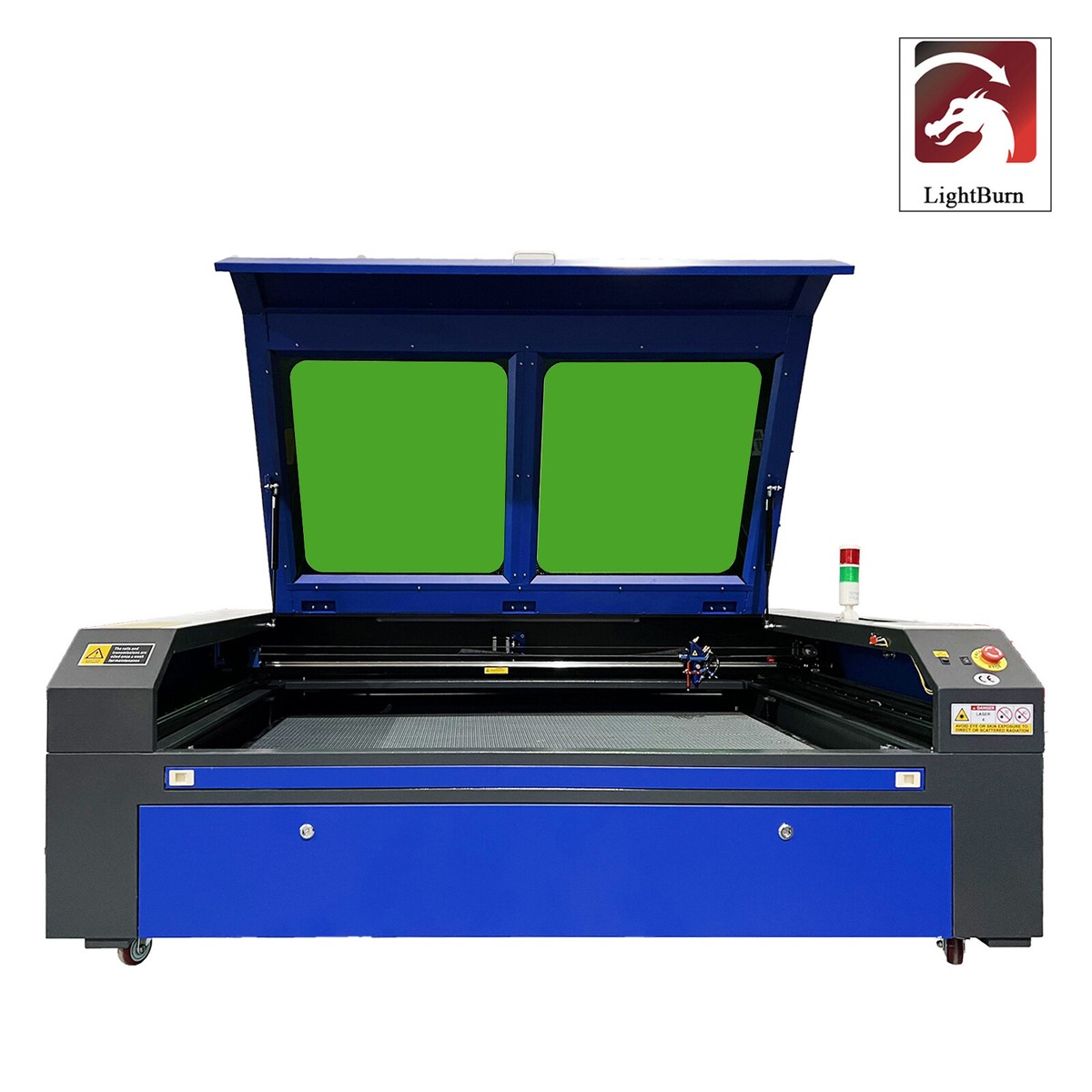
The Power of CO2 Laser Engravers for Metal
CO2 laser engraving technology has revolutionized the way metal materials are marked, engraved, and cut. These powerful machines utilize a high-powered CO2 laser beam to etch intricate designs, logos, serial numbers, and more onto a variety of metal surfaces with precision and speed.
One of the key advantages of using a CO2 laser engraver for metal is its versatility. Whether you’re working with stainless steel, aluminum, brass, or titanium, these machines can handle a wide range of metal types and thicknesses. This versatility makes CO2 laser engravers ideal for industries such as aerospace, automotive, jewelry making, and more.
Another benefit of CO2 laser engraving on metal is the level of detail that can be achieved. The focused laser beam can create intricate patterns and fine lines with exceptional accuracy, allowing for highly customized and professional-looking engravings. This level of precision is essential for applications where quality and consistency are paramount.
Furthermore, CO2 laser engravers are known for their efficiency and cost-effectiveness. Compared to traditional engraving methods like mechanical milling or chemical etching, CO2 lasers offer faster processing speeds and lower maintenance requirements. This results in reduced production times and operational costs, making them a smart investment for businesses looking to improve their productivity.
In addition to marking and engraving metals, CO2 laser systems can also be used for cutting thin metal sheets with precision. By adjusting the power and speed settings of the laser beam, operators can achieve clean cuts without causing distortion or burrs on the edges of the material.
Overall, CO2 laser engravers have become indispensable tools in the metalworking industry due to their versatility, precision, efficiency, and cost-effectiveness. Whether you’re looking to add permanent markings to your products or create intricate designs on metal surfaces, a CO2 laser engraver offers unmatched capabilities that can elevate your craftsmanship to new heights.
7 Essential Tips for Safe and Effective Metal Engraving with a CO2 Laser
- Ensure proper ventilation in the workspace to remove fumes and smoke produced during engraving.
- Wear appropriate personal protective equipment, such as safety glasses and gloves, when operating the CO2 laser engraver.
- Calibrate the laser settings correctly for different types of metal to achieve optimal engraving results.
- Regularly clean the lens and mirrors of the laser engraver to maintain its efficiency and performance.
- Securely fix the metal material being engraved to prevent movement or vibrations during the engraving process.
- Follow manufacturer’s guidelines for maintenance and servicing of the CO2 laser engraver to prolong its lifespan.
- Practice on scrap metal pieces before working on final projects to test settings and ensure desired outcomes.
Ensure proper ventilation in the workspace to remove fumes and smoke produced during engraving.
Ensuring proper ventilation in the workspace is crucial when using a CO2 laser engraver for metal. The fumes and smoke generated during the engraving process can be harmful if inhaled, so it’s essential to have adequate ventilation to remove these byproducts from the air. By maintaining good airflow and implementing proper ventilation systems, you not only create a safer working environment but also minimize the risk of exposure to potentially hazardous gases and particles, promoting a healthier and more comfortable workspace for operators and anyone nearby.
Wear appropriate personal protective equipment, such as safety glasses and gloves, when operating the CO2 laser engraver.
When using a CO2 laser engraver for metal, it is crucial to prioritize safety by wearing appropriate personal protective equipment. This includes safety glasses to protect your eyes from the intense laser beam and gloves to shield your hands from any potential heat or debris. By taking these precautions, operators can ensure a safe working environment and minimize the risk of accidents or injuries while operating the CO2 laser engraver.
Calibrate the laser settings correctly for different types of metal to achieve optimal engraving results.
Calibrating the laser settings correctly for different types of metal is crucial to achieving optimal engraving results with a CO2 laser engraver. By adjusting factors such as power, speed, and frequency based on the specific properties of the metal being engraved, operators can ensure that the laser beam interacts with the material in a way that produces clear and precise engravings. Proper calibration not only enhances the quality of the finished product but also helps prolong the lifespan of the equipment by preventing unnecessary wear and tear.
Regularly clean the lens and mirrors of the laser engraver to maintain its efficiency and performance.
Regularly cleaning the lens and mirrors of your CO2 laser engraver is essential for maintaining its efficiency and performance. Dust, debris, and residue can accumulate on these critical components over time, affecting the quality of your engravings and reducing the overall effectiveness of the machine. By incorporating routine cleaning into your maintenance schedule, you can ensure that the laser beam remains focused and precise, allowing you to achieve consistent results with every project. A clean lens and mirrors not only prolong the lifespan of your CO2 laser engraver but also contribute to optimal performance, enabling you to maximize productivity and output quality.
Securely fix the metal material being engraved to prevent movement or vibrations during the engraving process.
To ensure precise and accurate results when using a CO2 laser engraver for metal, it is crucial to securely fix the metal material being engraved in place. By preventing any movement or vibrations during the engraving process, you can maintain the integrity of the design and avoid any distortions or errors that may occur due to shifting. Securing the metal material firmly in place not only enhances the quality of the engraving but also helps to optimize the efficiency of the machine, resulting in clean and professional-looking outcomes.
Follow manufacturer’s guidelines for maintenance and servicing of the CO2 laser engraver to prolong its lifespan.
Following the manufacturer’s guidelines for maintenance and servicing of your CO2 laser engraver is crucial in prolonging its lifespan and ensuring optimal performance. Regular maintenance tasks such as cleaning the lens, checking for loose components, and calibrating the machine according to specifications can help prevent wear and tear, reduce downtime, and extend the longevity of your equipment. By adhering to the recommended maintenance schedule, you not only protect your investment but also maintain the quality and precision of your metal engraving projects over time.
Practice on scrap metal pieces before working on final projects to test settings and ensure desired outcomes.
It is highly recommended to practice on scrap metal pieces before proceeding with final projects when using a CO2 laser engraver for metal. This allows operators to test different settings, such as power levels and engraving speeds, to ensure that the desired outcomes are achieved. By experimenting on scrap pieces, users can fine-tune their parameters and optimize their engraving process, leading to more accurate and successful results when working on actual projects. This practice not only helps in minimizing errors but also enhances efficiency and confidence in utilizing the CO2 laser engraver effectively for metal applications.
No Responses