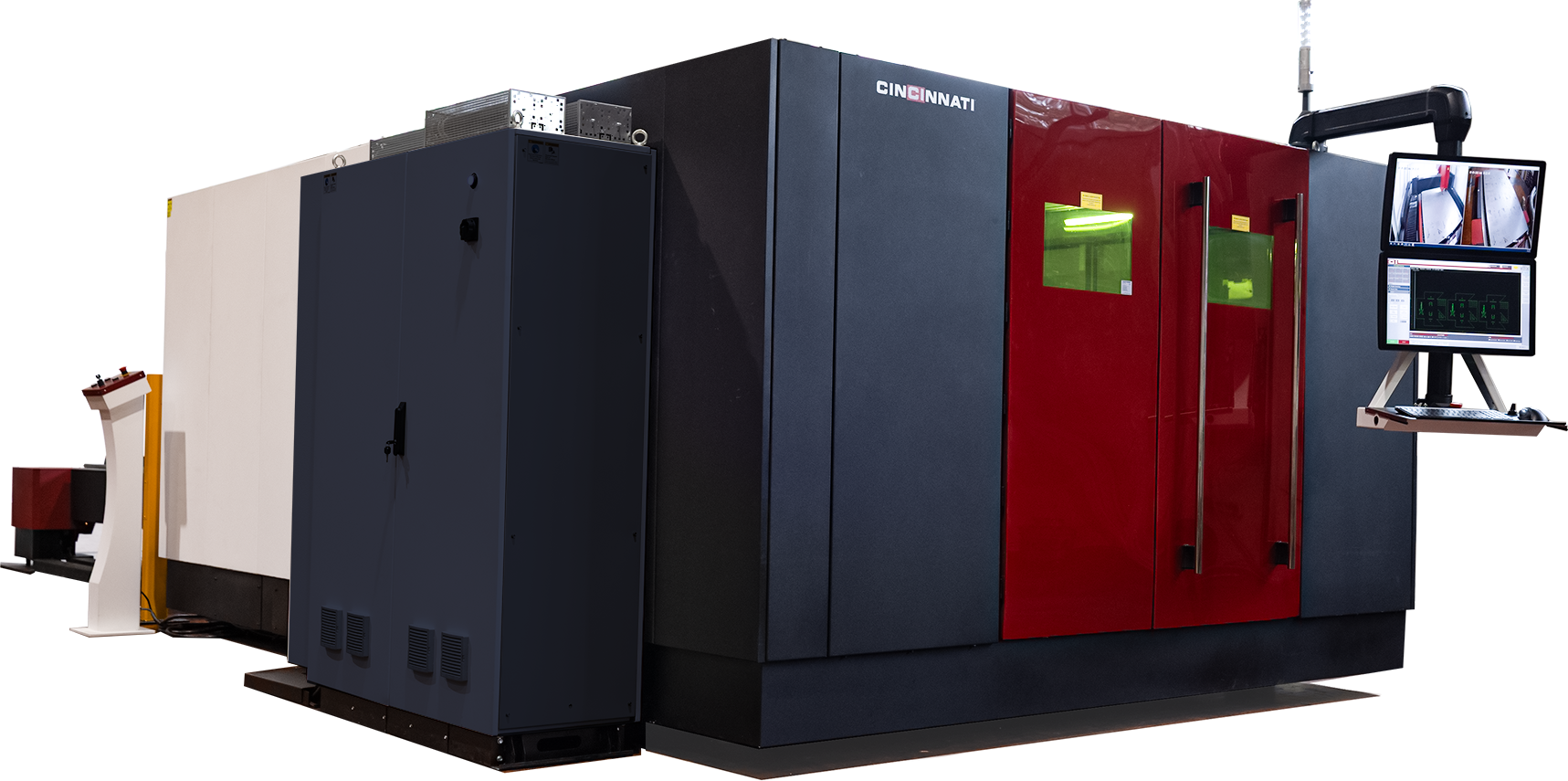
The Power of Fiber Optic Laser Cutting Machines
Fiber optic laser cutting machines are revolutionizing the world of manufacturing with their precision, speed, and versatility. These cutting-edge machines use fiber optic technology to deliver high-powered laser beams that can cut through various materials with incredible accuracy.
One of the key advantages of fiber optic laser cutting machines is their ability to cut through a wide range of materials, including metals, plastics, and composites. The intense heat generated by the laser beam allows for clean and precise cuts, making these machines ideal for industries that require intricate designs and tight tolerances.
Another benefit of fiber optic laser cutting machines is their speed. Compared to traditional cutting methods, such as mechanical cutting or plasma cutting, fiber optic lasers can complete cuts in a fraction of the time. This increased efficiency not only saves time but also reduces production costs.
Additionally, fiber optic laser cutting machines offer greater flexibility in terms of design and customization. With computer numerical control (CNC) capabilities, operators can program the machine to create complex shapes and patterns with ease. This level of precision opens up new possibilities for manufacturers looking to push the boundaries of what is possible.
Furthermore, fiber optic laser cutting machines are known for their reliability and low maintenance requirements. The solid-state design of these machines means they have fewer moving parts compared to other cutting technologies, resulting in less wear and tear over time.
In conclusion, fiber optic laser cutting machines represent a significant advancement in manufacturing technology. Their ability to deliver precise cuts at high speeds while offering flexibility and reliability make them indispensable tools for industries seeking to stay ahead in today’s competitive market.
Top FAQs About Fiber Optic Laser Cutting Machines: Best Brands, Cutting Capacity, Costs, and Drawbacks
- Who makes the best fiber laser cutting machine?
- How thick will a 1000w fiber laser cut?
- How much does a fiber laser cutting machine cost?
- What are the disadvantages of fiber laser cutting?
Who makes the best fiber laser cutting machine?
When it comes to determining who makes the best fiber laser cutting machine, the answer can vary depending on specific needs and preferences. Several reputable manufacturers in the industry, such as Trumpf, Amada, Bystronic, and Mazak, are known for producing high-quality fiber laser cutting machines that offer precision, speed, and reliability. Each of these companies has a strong track record of innovation and customer satisfaction, making them popular choices among businesses looking for top-tier cutting solutions. Ultimately, the best fiber laser cutting machine for a particular application will depend on factors such as budget, required specifications, and desired features.
How thick will a 1000w fiber laser cut?
The thickness that a 1000W fiber laser can cut depends on various factors, including the type of material being cut, its composition, and the desired cutting speed. In general, a 1000W fiber laser has the capability to cut through a range of materials with different thicknesses. For example, it can typically cut through thin metals like stainless steel or aluminum up to several millimeters thick with high precision and efficiency. However, when cutting thicker materials or more dense substances, the cutting speed may need to be adjusted accordingly to achieve optimal results. It is recommended to consult with experts or refer to specific machine specifications for precise guidelines on maximum cutting thickness for different materials.
How much does a fiber laser cutting machine cost?
The cost of a fiber laser cutting machine can vary significantly depending on several factors, including the machine’s power output, cutting capabilities, brand, and additional features. Generally, entry-level fiber laser cutting machines can start at around $20,000 to $30,000 for smaller models suitable for small businesses or hobbyists. However, industrial-grade fiber laser cutting machines with higher power and advanced features can range from $100,000 to over $1 million. It is essential to consider your specific cutting needs and budget constraints when evaluating the cost of a fiber laser cutting machine to ensure that you invest in a machine that meets your requirements and provides a solid return on investment in the long run.
What are the disadvantages of fiber laser cutting?
When considering fiber laser cutting technology, it’s important to acknowledge some of its disadvantages. One notable drawback of fiber laser cutting machines is their initial cost, which can be higher than traditional cutting methods. Additionally, the maintenance and repair of fiber optic lasers may require specialized knowledge and technical expertise, leading to increased operational expenses. Another potential limitation is the restricted thickness range of materials that can be effectively cut with fiber lasers, as they may not be as suitable for extremely thick materials. Despite these challenges, advancements in technology and ongoing research are continuously addressing these limitations, making fiber laser cutting an increasingly attractive option for various industries seeking precision and efficiency in their manufacturing processes.
No Responses