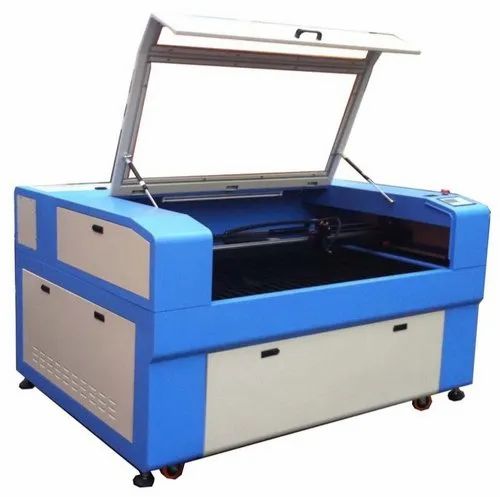
The Power of 2D Laser Cutting Machines
2D laser cutting machines have revolutionized the manufacturing industry with their precision, speed, and versatility. These machines use a high-powered laser beam to cut through various materials with incredible accuracy, making them essential tools for a wide range of applications.
One of the key advantages of 2D laser cutting machines is their ability to cut complex shapes and designs with ease. Whether you’re working with metal, plastic, wood, or other materials, these machines can create intricate patterns and detailed cuts that traditional cutting methods simply cannot match.
Another benefit of 2D laser cutting machines is their speed and efficiency. Unlike traditional cutting tools that may require multiple passes or manual adjustments, laser cutting machines can complete cuts in a fraction of the time. This not only increases productivity but also allows manufacturers to meet tight deadlines and deliver high-quality products to their customers.
Furthermore, 2D laser cutting machines offer exceptional precision and consistency. The laser beam follows a predetermined path programmed into the machine’s software, ensuring that each cut is accurate and uniform. This level of precision is crucial for industries such as aerospace, automotive, electronics, and more where even the slightest deviation can lead to costly errors.
In addition to their cutting capabilities, 2D laser cutting machines are also known for their versatility. They can perform a variety of tasks beyond cutting, including engraving, marking, and etching. This flexibility makes them valuable tools for creating custom designs, branding products, or adding serial numbers and barcodes to items.
Overall, 2D laser cutting machines represent a significant advancement in manufacturing technology. Their ability to cut precisely, quickly, and efficiently has transformed how industries approach production processes. As technology continues to evolve, we can expect even greater innovations in the field of laser cutting that will further enhance productivity and quality across various sectors.
8 Advantages of 2D Laser Cutting Machines: Precision, Versatility, and Efficiency
- High precision cutting for intricate designs.
- Fast and efficient production process.
- Versatile capabilities beyond cutting, such as engraving and marking.
- Consistent results with uniform cuts every time.
- Ability to work with a variety of materials, including metal, plastic, and wood.
- Minimal material wastage due to precise cutting paths.
- Enhanced productivity by reducing manual labor and processing time.
- Ideal for industries requiring high accuracy, such as aerospace and electronics.
7 Drawbacks of 2D Laser Cutting Machines: Costs, Limitations, and Safety Concerns
- High initial investment cost
- Maintenance and repair costs can be expensive
- Limited thickness of materials that can be cut
- Risk of material warping or distortion during cutting process
- May produce harmful fumes or smoke, requiring proper ventilation systems
- Complex setup and calibration process may require skilled operators
- Not suitable for all materials, such as highly reflective surfaces
High precision cutting for intricate designs.
The high precision cutting capability of 2D laser cutting machines enables the creation of intricate designs with unparalleled accuracy and detail. Whether it’s intricate patterns, delicate filigree work, or complex shapes, these machines excel in delivering precise cuts that meet the most demanding design requirements. This level of precision ensures that every cut is consistent and flawless, allowing manufacturers and designers to bring their creative visions to life with exceptional quality and craftsmanship.
Fast and efficient production process.
The fast and efficient production process facilitated by 2D laser cutting machines is a game-changer for manufacturers seeking to optimize their operations. With the ability to complete cuts in a fraction of the time compared to traditional methods, these machines significantly increase productivity and throughput. This efficiency not only allows for quicker turnaround times on projects but also enables manufacturers to meet tight deadlines and fulfill customer orders promptly. The speed and precision of 2D laser cutting machines streamline the production process, resulting in cost savings and improved overall operational efficiency.
Versatile capabilities beyond cutting, such as engraving and marking.
The versatile capabilities of 2D laser cutting machines extend beyond traditional cutting functions, allowing for precise engraving and marking on a variety of materials. This added versatility enables users to create intricate designs, customize products with logos or serial numbers, and add detailed markings with exceptional accuracy. Whether for artistic creations, branding purposes, or industrial applications, the ability to engrave and mark with a 2D laser cutting machine opens up a world of creative possibilities and enhances the overall value of these advanced machines.
Consistent results with uniform cuts every time.
One of the standout advantages of 2D laser cutting machines is their ability to deliver consistent results with uniform cuts every time. The precision and reliability of these machines ensure that each cut is executed with exacting accuracy, regardless of the complexity of the design or the material being processed. This consistency not only enhances the overall quality of the end product but also minimizes waste and rework, making 2D laser cutting machines a valuable asset for industries that prioritize efficiency and precision in their manufacturing processes.
Ability to work with a variety of materials, including metal, plastic, and wood.
The versatility of 2D laser cutting machines shines through their remarkable ability to work seamlessly with a diverse range of materials, from sturdy metals to resilient plastics and delicate woods. This capability allows manufacturers and artisans alike to explore endless creative possibilities, knowing that they can rely on the precision and consistency of laser cutting technology to bring their designs to life with exceptional quality and efficiency.
Minimal material wastage due to precise cutting paths.
One significant advantage of 2D laser cutting machines is their ability to minimize material wastage thanks to their precise cutting paths. By following predetermined patterns with pinpoint accuracy, these machines ensure that cuts are made efficiently and effectively, reducing the amount of scrap material generated during the manufacturing process. This not only helps companies save on material costs but also contributes to a more sustainable and environmentally friendly approach to production. The precise cutting paths of 2D laser cutting machines result in optimized usage of materials, making them a valuable asset for industries looking to enhance efficiency and minimize waste.
Enhanced productivity by reducing manual labor and processing time.
One of the key advantages of 2D laser cutting machines is their ability to enhance productivity by significantly reducing the need for manual labor and processing time. By automating the cutting process with a high-powered laser beam, these machines can swiftly and accurately cut through materials, eliminating the need for time-consuming manual cutting methods. This not only speeds up production but also allows manufacturers to allocate resources more efficiently, leading to increased output and overall productivity in a streamlined manner.
Ideal for industries requiring high accuracy, such as aerospace and electronics.
The exceptional precision of 2D laser cutting machines makes them ideal for industries that demand high levels of accuracy, such as aerospace and electronics. In these sectors, even the smallest deviation can have significant consequences, making the precise cuts achieved by laser technology essential for ensuring quality and consistency in manufacturing processes. By utilizing 2D laser cutting machines, companies in aerospace and electronics can achieve intricate designs and exact specifications with confidence, leading to improved product performance and reliability.
High initial investment cost
One significant drawback of 2D laser cutting machines is the high initial investment cost associated with acquiring and setting up these advanced systems. The sophisticated technology and precision components required for laser cutting machines result in a substantial upfront expense for businesses looking to integrate this equipment into their manufacturing processes. This initial financial outlay can be a barrier for smaller companies or startups with limited capital resources, potentially limiting their ability to leverage the benefits of 2D laser cutting technology until they can justify the cost through increased efficiency and productivity gains over time.
Maintenance and repair costs can be expensive
Maintenance and repair costs for 2D laser cutting machines can pose a significant challenge to businesses. Due to the complex nature of these machines and the high-tech components involved, servicing and repairing them can be costly. Regular maintenance is essential to ensure optimal performance and longevity, but the expenses associated with specialized parts and skilled technicians can add up quickly. Moreover, unexpected breakdowns or malfunctions may require immediate repairs, leading to unplanned downtime and additional expenses. Managing maintenance and repair costs effectively is crucial for businesses utilizing 2D laser cutting machines to minimize disruptions and maintain operational efficiency.
Limited thickness of materials that can be cut
One significant drawback of 2D laser cutting machines is their limitation in cutting thicker materials. While these machines excel at precision cutting of various materials, including metals, plastics, and woods, their effectiveness diminishes when it comes to thicker substrates. The power and intensity of the laser beam may not be sufficient to penetrate and cut through materials beyond a certain thickness, thereby restricting the range of applications for which 2D laser cutting machines can be effectively utilized. Manufacturers and users must consider this limitation when choosing a cutting method for projects that involve thicker materials, as alternative cutting technologies may be more suitable for such applications.
Risk of material warping or distortion during cutting process
One notable drawback of 2D laser cutting machines is the risk of material warping or distortion during the cutting process. The intense heat generated by the laser beam can sometimes cause certain materials, especially metals, to warp or bend due to thermal expansion and contraction. This can result in inaccuracies in the final cut and may require additional steps to correct or compensate for the distortion. Manufacturers need to carefully consider material properties and cutting parameters to minimize the risk of warping and ensure precise results when using 2D laser cutting machines.
May produce harmful fumes or smoke, requiring proper ventilation systems
One significant drawback of 2D laser cutting machines is that they may produce harmful fumes or smoke during the cutting process, necessitating the implementation of proper ventilation systems. The materials being cut, especially plastics and certain metals, can release toxic gases when exposed to the intense heat of the laser beam. Without adequate ventilation in place, these fumes can pose health risks to operators and other personnel in the vicinity. Therefore, it is crucial for businesses utilizing 2D laser cutting machines to invest in effective ventilation systems to ensure a safe working environment and mitigate potential health hazards associated with the emission of harmful substances.
Complex setup and calibration process may require skilled operators
The complexity of the setup and calibration process for 2D laser cutting machines can be a significant drawback, as it often necessitates skilled operators with specialized training and expertise. Ensuring that the machine is properly configured and calibrated to achieve precise cuts can be a time-consuming task that may pose challenges for less experienced users. The need for skilled operators adds to the overall cost of operating the machine and may limit accessibility for smaller businesses or those without access to trained personnel. Additionally, any errors or inaccuracies during setup and calibration can result in subpar cutting quality, leading to wasted materials and production delays.
Not suitable for all materials, such as highly reflective surfaces
One notable drawback of 2D laser cutting machines is their limitation when it comes to certain materials, particularly highly reflective surfaces. The nature of laser technology relies on the absorption of light to cut through materials effectively. However, materials with high reflectivity, such as polished metals or mirrors, can deflect the laser beam and hinder the cutting process. This limitation poses a challenge for industries that work extensively with reflective materials, requiring them to seek alternative cutting methods or surface treatment solutions to achieve the desired results.
No Responses