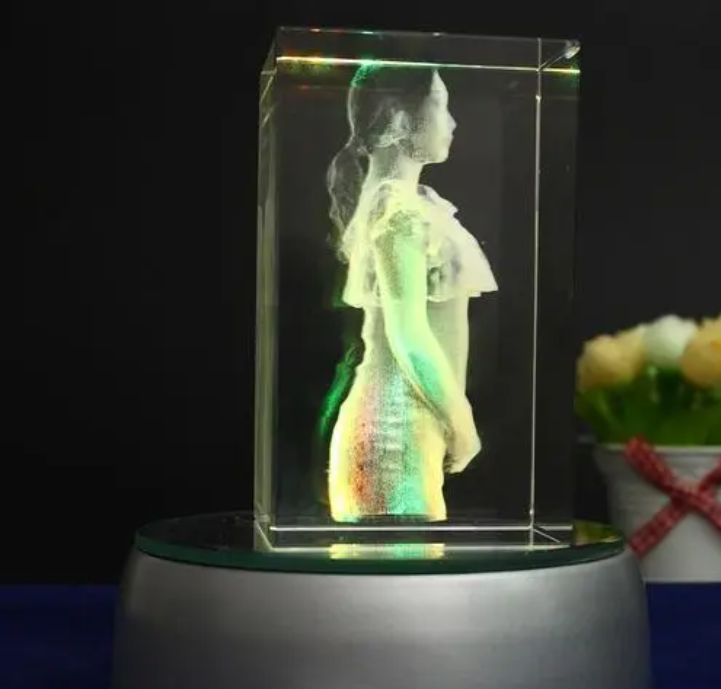
The Art of Sub-Surface Laser Engraving
Sub-surface laser engraving is a cutting-edge technique that allows for the creation of intricate designs and images inside transparent materials such as glass or crystal. Unlike traditional surface engraving methods, sub-surface laser engraving produces stunning 3D effects that seem to float within the material itself.
How does it work? A high-powered laser beam is focused below the surface of the material, creating minuscule fractures and changes in the structure of the material. These alterations interact with light in fascinating ways, producing a three-dimensional effect that is both visually striking and durable.
Sub-surface laser engraving is commonly used for creating personalized gifts, awards, and decorative items. The level of detail that can be achieved with this technique is unparalleled, making it a popular choice for commemorating special occasions or honoring achievements.
One of the key advantages of sub-surface laser engraving is its permanence. Unlike surface engravings that can wear off over time, sub-surface engravings are protected within the material itself, ensuring that your design remains pristine for years to come.
Whether you’re looking to add a touch of elegance to your home decor or create a unique gift that will be treasured forever, sub-surface laser engraving offers endless possibilities for creativity and personalization. Explore this mesmerizing art form and discover how it can elevate your designs to new heights.
Frequently Asked Questions: Mastering Sub Surface Laser Engraving Techniques and Best Practices
- How do you do 3D laser engraving?
- What should you not laser engrave?
- How is a Bubblegram made?
- Can you laser engrave an uneven surface?
- How much to charge per hour for laser engraving?
- What are three types of engraving?
How do you do 3D laser engraving?
To achieve 3D laser engraving, a process known as sub-surface laser engraving is utilized. This technique involves focusing a high-powered laser beam beneath the surface of transparent materials like glass or crystal. By creating intricate patterns of fractures and modifications within the material, a three-dimensional effect is produced, giving the illusion of depth and dimensionality to the engraved design. The precision and detail achievable through 3D laser engraving make it a popular choice for creating visually captivating and durable personalized items, awards, and decorative pieces that stand out with their unique aesthetic appeal.
What should you not laser engrave?
When considering sub-surface laser engraving, it is important to be mindful of the materials that are not suitable for this process. Certain materials, such as PVC or vinyl, can release toxic fumes when subjected to laser engraving, posing health risks. Additionally, materials with reflective surfaces, like metals or mirrored glass, may cause the laser beam to bounce back and damage the equipment. It is crucial to avoid engraving on these materials to ensure both safety and the longevity of your laser engraving machine.
How is a Bubblegram made?
A Bubblegram, a mesmerizing form of art created through sub-surface laser engraving, is made by capturing a 3D image and converting it into a series of depth layers. These layers are then engraved into a transparent material, such as glass or acrylic, using a high-powered laser beam focused beneath the surface. The intricate patterns of light and shadow produced by the engraved layers give the illusion of a three-dimensional image suspended within the material, creating a captivating visual effect that appears almost magical to the viewer.
Can you laser engrave an uneven surface?
When it comes to sub-surface laser engraving, the technique is specifically designed to work within transparent materials, creating stunning effects beneath the surface. While sub-surface laser engraving is ideal for smooth and flat surfaces, it may present challenges when attempting to engrave on uneven surfaces. The precision of the laser beam requires a consistent depth to achieve optimal results. However, with advancements in technology and specialized equipment, some degree of unevenness can be accommodated. It’s essential to consult with experienced professionals in sub-surface laser engraving to determine the feasibility of engraving on a particular uneven surface and explore potential solutions for achieving the desired outcome.
How much to charge per hour for laser engraving?
Determining the hourly rate for sub-surface laser engraving can vary depending on several factors, including the complexity of the design, the type of material being engraved, and the level of detail required. It is common for laser engraving services to charge anywhere from $50 to $150 per hour, with some businesses offering package deals or discounts for bulk orders. Ultimately, the pricing structure should reflect the quality of work provided, ensuring that customers receive exceptional value for their investment in this precise and visually captivating art form.
What are three types of engraving?
In the realm of sub-surface laser engraving, three prominent types of engraving techniques stand out: surface engraving, deep engraving, and 3D sub-surface engraving. Surface engraving involves etching designs or text onto the surface of a material, creating a flat two-dimensional effect. Deep engraving goes beyond the surface, carving designs into the material with greater depth for a more pronounced appearance. 3D sub-surface engraving takes the art to another level by using lasers to create intricate three-dimensional designs within transparent materials like glass or crystal, resulting in captivating visual effects that seem to defy gravity. Each type of engraving offers its own unique aesthetic appeal and application possibilities within the realm of laser technology.
No Responses