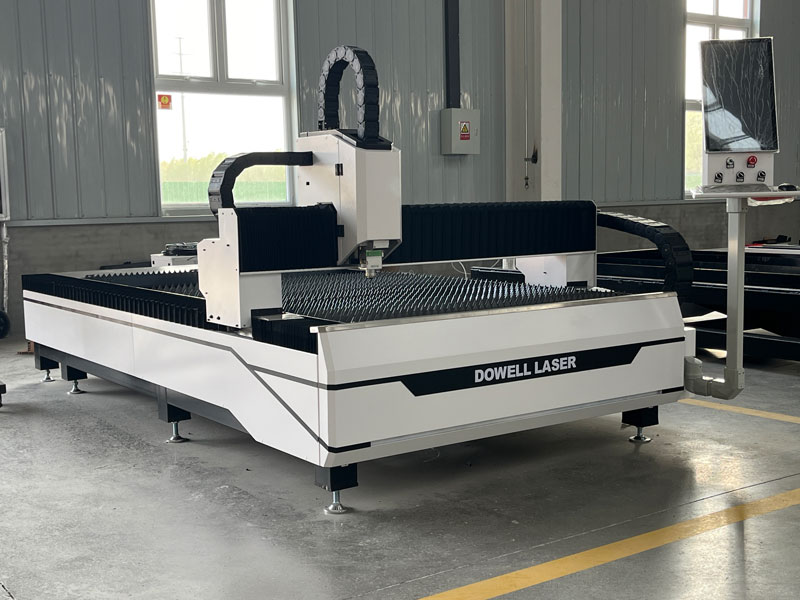
The Power of CNC Fiber Laser Technology
In the world of manufacturing and industrial applications, precision and efficiency are paramount. One technology that has revolutionized the way we cut and engrave materials is CNC fiber laser technology. Utilizing high-powered lasers generated through fiber optics, CNC fiber lasers offer unparalleled accuracy and speed in cutting a wide range of materials.
One of the key advantages of CNC fiber laser technology is its ability to cut through various materials with incredible precision. From metals like steel, aluminum, and copper to non-metallic materials such as plastics and composites, CNC fiber lasers can deliver clean, smooth cuts with minimal heat-affected zones.
Unlike traditional cutting methods that rely on mechanical tools, CNC fiber lasers produce narrow laser beams that can achieve intricate designs and shapes with ease. This level of precision allows manufacturers to create complex parts and components with tight tolerances, reducing the need for secondary processing.
Another significant benefit of CNC fiber laser technology is its high cutting speed. The concentrated energy generated by fiber lasers enables rapid material removal, resulting in faster production times and increased throughput. This efficiency not only boosts productivity but also reduces operational costs in the long run.
Furthermore, CNC fiber lasers are known for their low maintenance requirements and energy efficiency. The solid-state design of fiber lasers eliminates the need for frequent adjustments or replacements, leading to consistent performance over extended periods. Additionally, fiber lasers consume less power compared to other laser technologies, making them a sustainable choice for environmentally conscious manufacturers.
Whether used in metal fabrication, automotive manufacturing, aerospace engineering, or signage production, CNC fiber laser technology continues to redefine what is possible in the realm of precision cutting. With its combination of speed, accuracy, and versatility, CNC fiber lasers have become indispensable tools for modern industries seeking to stay ahead in a competitive market.
As advancements in laser technology continue to evolve, the future holds even greater potential for CNC fiber lasers to drive innovation across diverse sectors. From improving product quality to streamlining production processes, the power of CNC fiber laser technology is set to shape the manufacturing landscape for years to come.
7 Advantages of CNC Fiber Laser Cutting: Precision, Versatility, and Efficiency
- High precision cutting
- Versatile in cutting various materials
- Fast cutting speed
- Intricate and complex designs achievable
- Low maintenance requirements
- Energy efficient operation
- Reduced heat-affected zones
Challenges of CNC Fiber Lasers: Costs, Maintenance, and Safety Concerns
- High initial investment cost for acquiring CNC fiber laser equipment.
- Complex maintenance requirements due to the intricate nature of fiber laser components.
- Limitations in cutting thickness for certain materials compared to other cutting technologies.
- Possibility of reflective materials causing damage to the laser system if not properly managed.
- Noisy operation during cutting process, requiring additional noise reduction measures in the workspace.
- Potential safety hazards associated with high-powered lasers, necessitating strict adherence to safety protocols.
High precision cutting
High precision cutting is a standout advantage of CNC fiber laser technology, enabling manufacturers to achieve intricate and accurate cuts with exceptional detail. The focused laser beam produced by fiber lasers ensures minimal material wastage and precise edge quality, making it ideal for applications that demand exacting specifications and tight tolerances. This level of precision not only enhances the overall quality of finished products but also reduces the need for additional finishing processes, ultimately saving time and resources in production.
Versatile in cutting various materials
One of the key advantages of CNC fiber laser technology is its versatility in cutting a wide range of materials with precision and efficiency. From metals like steel, aluminum, and copper to non-metallic materials such as plastics and composites, CNC fiber lasers excel in delivering clean cuts across diverse material types. This versatility allows manufacturers to work with different materials on the same machine, streamlining production processes and expanding the possibilities for creating intricate designs and components across various industries.
Fast cutting speed
One of the standout advantages of CNC fiber laser technology is its remarkable fast cutting speed. By harnessing the concentrated energy of high-powered lasers generated through fiber optics, CNC fiber lasers can swiftly and efficiently cut through a wide range of materials with precision and accuracy. This rapid material removal not only enhances productivity by reducing production times but also allows manufacturers to meet tight deadlines and increase throughput, making CNC fiber lasers a valuable asset for industries seeking to optimize their manufacturing processes.
Intricate and complex designs achievable
One of the standout advantages of CNC fiber laser technology is its ability to achieve intricate and complex designs with remarkable precision. By harnessing the focused energy of fiber lasers, manufacturers can effortlessly create detailed patterns, fine contours, and intricate shapes on a variety of materials. This capability opens up a world of creative possibilities for industries such as jewelry making, custom signage production, and architectural design, where intricate detailing is essential. The versatility and accuracy of CNC fiber lasers empower businesses to bring their most elaborate visions to life with unparalleled intricacy and finesse.
Low maintenance requirements
One of the standout advantages of CNC fiber laser technology is its low maintenance requirements. Unlike traditional cutting methods that often require frequent adjustments and part replacements, fiber lasers are known for their solid-state design that minimizes the need for ongoing maintenance. This translates to increased operational efficiency and reduced downtime, allowing manufacturers to focus on production without constant interruptions for upkeep. Additionally, the longevity and reliability of CNC fiber lasers make them a cost-effective investment in the long term, providing consistent performance without the hassle of extensive maintenance routines.
Energy efficient operation
One notable advantage of CNC fiber laser technology is its energy-efficient operation. Compared to other laser technologies, fiber lasers consume less power while maintaining high cutting speeds and precision. This not only reduces operational costs for manufacturers but also aligns with sustainable practices, making CNC fiber lasers a preferred choice for environmentally conscious industries. The energy efficiency of CNC fiber lasers not only contributes to cost savings but also minimizes the environmental impact, showcasing their commitment to both productivity and sustainability.
Reduced heat-affected zones
One of the key advantages of CNC fiber laser technology is its ability to significantly reduce heat-affected zones during the cutting process. By delivering focused and precise laser beams, CNC fiber lasers minimize thermal distortion in the material being cut, resulting in clean and smooth edges without compromising structural integrity. This reduction in heat-affected zones not only enhances the overall quality of the cut but also allows for greater design flexibility and accuracy in producing intricate shapes and patterns.
High initial investment cost for acquiring CNC fiber laser equipment.
One significant drawback of CNC fiber laser technology is the high initial investment cost associated with acquiring the necessary equipment. The sophisticated nature of fiber laser systems, coupled with their advanced capabilities and precision, often results in a substantial upfront financial outlay for businesses looking to implement this technology. This initial cost barrier may pose a challenge for smaller enterprises or startups seeking to adopt CNC fiber lasers, potentially limiting access to the efficiency and quality benefits that these systems offer. Despite the long-term advantages of improved productivity and reduced operational costs, the high upfront investment required for CNC fiber laser equipment remains a notable con for businesses evaluating their manufacturing technology options.
Complex maintenance requirements due to the intricate nature of fiber laser components.
One significant drawback of CNC fiber laser technology is the complex maintenance requirements stemming from the intricate nature of fiber laser components. The delicate and precise construction of fiber lasers necessitates specialized expertise and careful handling during maintenance procedures. Any errors or mishandling during maintenance can result in costly repairs or downtime, making it essential for operators to have a thorough understanding of the intricate components involved in fiber laser systems. This complexity adds an additional layer of challenge for manufacturers and operators seeking to optimize the performance and longevity of CNC fiber laser machines.
Limitations in cutting thickness for certain materials compared to other cutting technologies.
One notable limitation of CNC fiber laser technology is its restricted cutting thickness for certain materials when compared to other cutting technologies. While fiber lasers excel in precision cutting of thin to medium-thickness materials, they may face challenges when processing thicker substrates. In such cases, alternative cutting methods like plasma or waterjet cutting may be more suitable for achieving desired results. It’s important for manufacturers to carefully assess the material requirements and thicknesses involved in their projects to determine the most appropriate cutting technology that aligns with their specific needs and production goals.
Possibility of reflective materials causing damage to the laser system if not properly managed.
One significant drawback of CNC fiber laser technology is the potential risk posed by reflective materials, which can cause damage to the laser system if not adequately managed. When a high-powered laser beam interacts with reflective surfaces such as metals with glossy finishes, the energy can bounce back and affect the internal components of the laser system. This phenomenon not only poses a safety hazard to operators but also increases the likelihood of premature wear and tear on critical parts of the machine. Proper precautions and safety measures must be implemented to mitigate the risks associated with reflective materials when using CNC fiber lasers in industrial applications.
Noisy operation during cutting process, requiring additional noise reduction measures in the workspace.
One notable drawback of CNC fiber laser technology is its noisy operation during the cutting process, which can create a disruptive work environment. The high-energy laser beams and rapid material removal generate significant noise levels that may exceed acceptable limits in industrial settings. To mitigate this issue, additional noise reduction measures, such as soundproof enclosures or acoustic barriers, may need to be implemented in the workspace. These measures add complexity and cost to the overall setup of CNC fiber laser systems, highlighting the importance of considering noise management strategies when integrating this technology into manufacturing facilities.
Potential safety hazards associated with high-powered lasers, necessitating strict adherence to safety protocols.
One significant con of CNC fiber laser technology is the potential safety hazards posed by high-powered lasers. The intense energy generated by fiber lasers can cause harm to operators and bystanders if proper safety measures are not followed. Strict adherence to safety protocols, including wearing protective gear, implementing laser-safe work environments, and providing comprehensive training, is essential to mitigate the risks associated with high-powered lasers. Failure to prioritize safety could result in serious injuries or accidents, emphasizing the critical importance of maintaining a vigilant approach when working with CNC fiber laser systems.
No Responses