The Importance of Quality Cleaning Equipment
Keeping your surroundings clean and hygienic is essential for a healthy environment. Whether it’s your home, office, or commercial space, having the right cleaning equipment can make all the difference in maintaining cleanliness and sanitation.
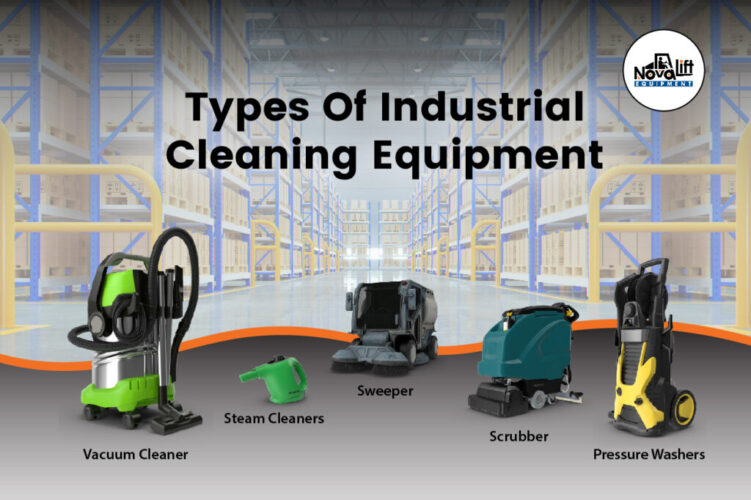
Quality cleaning equipment not only ensures effective cleaning but also saves time and effort. From vacuum cleaners and mops to scrubbers and pressure washers, each tool plays a crucial role in achieving spotless results.
Investing in high-quality cleaning equipment can lead to long-term cost savings. Durable and efficient tools are less likely to break down or require frequent replacements, reducing maintenance costs in the long run.
Furthermore, using the right cleaning equipment can improve indoor air quality by removing dust, allergens, and pollutants effectively. This is especially important for individuals with respiratory issues or allergies.
When choosing cleaning equipment, consider factors such as durability, efficiency, ease of use, and environmental impact. Opting for eco-friendly options can help reduce your carbon footprint while maintaining a clean environment.
In conclusion, quality cleaning equipment is an essential investment for achieving cleanliness, hygiene, and overall well-being. By choosing the right tools for the job, you can ensure a cleaner and healthier living or working space for yourself and others.
Essential Tips for Keeping Your Equipment Clean and Efficient
- 1. Regularly wipe down equipment with a damp cloth to remove dust and dirt.
- 2. Use appropriate cleaning solutions recommended by the equipment manufacturer.
- 3. Pay special attention to areas that accumulate grime or bacteria, such as handles and buttons.
- 4. Allow equipment to fully dry before using it again to prevent damage or malfunctions.
- 5. Clean filters and vents to maintain proper airflow and prevent overheating.
- 6. Inspect cords and cables for any damage and replace them if necessary to avoid safety hazards.
- 7. Store equipment in a clean and dry environment when not in use to prolong its lifespan.
- 8. Follow the maintenance schedule provided by the manufacturer for optimal performance.
1. Regularly wipe down equipment with a damp cloth to remove dust and dirt.
Regularly wiping down equipment with a damp cloth is a simple yet effective way to maintain cleanliness and extend the lifespan of your cleaning tools. By removing dust and dirt buildup, you not only ensure optimal performance but also promote a hygienic environment. This quick and easy maintenance routine can prevent grime from accumulating, making it easier to keep your equipment in top condition for long-term use.
2. Use appropriate cleaning solutions recommended by the equipment manufacturer.
To ensure optimal performance and longevity of your cleaning equipment, it is crucial to follow the manufacturer’s recommendations regarding the use of appropriate cleaning solutions. Using the right cleaning solutions recommended by the equipment manufacturer helps maintain the integrity of the equipment and prevents damage that may occur from using harsh or incompatible chemicals. By adhering to these guidelines, you can effectively clean your equipment without compromising its functionality, ensuring that it continues to operate efficiently for years to come.
3. Pay special attention to areas that accumulate grime or bacteria, such as handles and buttons.
When cleaning equipment, it is crucial to pay special attention to areas that tend to accumulate grime or bacteria, such as handles and buttons. These high-touch surfaces can harbor germs and dirt if not cleaned regularly and thoroughly. By focusing on these specific areas during your cleaning routine, you can help prevent the spread of bacteria and maintain a hygienic environment for yourself and others.
4. Allow equipment to fully dry before using it again to prevent damage or malfunctions.
To maintain the longevity and effectiveness of your cleaning equipment, it is crucial to follow the tip of allowing the equipment to fully dry before using it again. By ensuring that the equipment is completely dry, you can prevent potential damage or malfunctions that may arise from moisture buildup. This simple yet important step not only protects your investment in cleaning tools but also helps to maintain optimal performance for continued use.
5. Clean filters and vents to maintain proper airflow and prevent overheating.
To ensure optimal performance and longevity of your cleaning equipment, it is crucial to regularly clean filters and vents. By maintaining proper airflow, you not only enhance the efficiency of the equipment but also prevent overheating issues. Clogged filters and vents can obstruct airflow, leading to reduced suction power and potential damage to the motor. Regularly inspecting and cleaning filters and vents will help your cleaning equipment operate smoothly and effectively, prolonging its lifespan and ensuring consistent performance.
6. Inspect cords and cables for any damage and replace them if necessary to avoid safety hazards.
Inspecting cords and cables for any damage is a crucial step in maintaining safety when using cleaning equipment. Frayed or damaged cords can pose serious safety hazards, including electrical shocks or fires. By regularly checking and replacing damaged cords, you can ensure the safe and efficient operation of your cleaning tools, protecting both yourself and others from potential accidents. Safety should always be a top priority when handling cleaning equipment to create a secure environment for all users.
7. Store equipment in a clean and dry environment when not in use to prolong its lifespan.
To prolong the lifespan of your cleaning equipment, it is crucial to follow the tip of storing the tools in a clean and dry environment when not in use. Proper storage helps prevent rust, corrosion, and damage caused by moisture, ensuring that your equipment remains in optimal condition for longer periods. By maintaining a tidy storage area, you can protect your cleaning tools from wear and tear, ultimately saving you time and money on replacements.
8. Follow the maintenance schedule provided by the manufacturer for optimal performance.
Following the maintenance schedule provided by the manufacturer is crucial for ensuring optimal performance and longevity of your cleaning equipment. Regular maintenance, such as cleaning filters, lubricating moving parts, and inspecting for wear and tear, can prevent breakdowns and extend the life of your tools. By adhering to the manufacturer’s guidelines, you can maximize the efficiency of your equipment and maintain its effectiveness in keeping your surroundings clean and sanitized.
No Responses