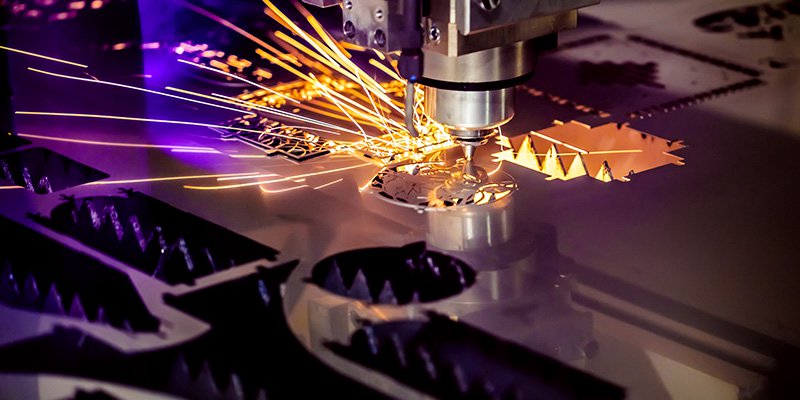
The Power of 2D Laser Cutting Machines
When it comes to precision cutting and versatility, 2D laser cutting machines are at the forefront of modern manufacturing technology. These machines utilize high-powered lasers to cut through various materials with incredible accuracy, making them indispensable tools in industries such as automotive, aerospace, electronics, and more.
One of the key advantages of 2D laser cutting machines is their ability to cut complex shapes and intricate designs with ease. Whether you need to create precise components for a spacecraft or intricate patterns for jewelry, a 2D laser cutting machine can deliver results that are unmatched by traditional cutting methods.
Furthermore, 2D laser cutting machines offer significant time and cost savings compared to other cutting techniques. With their high cutting speeds and minimal material waste, these machines can streamline production processes and improve overall efficiency.
Another benefit of 2D laser cutting machines is their versatility in working with a wide range of materials. From metals like steel and aluminum to non-metallic materials such as plastics and composites, these machines can handle diverse materials with precision and consistency.
In addition to their cutting capabilities, many 2D laser cutting machines also offer features such as engraving, marking, and etching. This versatility allows manufacturers to perform multiple tasks on a single machine, further enhancing productivity and flexibility.
Overall, 2D laser cutting machines represent a powerful solution for manufacturers looking to achieve high levels of precision, efficiency, and flexibility in their production processes. With their advanced technology and capabilities, these machines continue to drive innovation across a wide range of industries.
Top 9 Advantages of 2D Laser Cutting Machines: Precision, Efficiency, and Versatility
- High precision cutting for intricate designs
- Versatility in cutting various materials
- Efficient and fast cutting speeds
- Minimal material waste, leading to cost savings
- Ability to cut complex shapes with ease
- Enhanced productivity and streamlined production processes
- Consistent and reliable results
- Additional features like engraving and marking capabilities
- Environmentally friendly with low energy consumption
Challenges of 2D Laser Cutting Machines: Cost, Material Limits, Thermal Risks, and Maintenance Needs
- High initial investment cost
- Limited thickness of materials that can be cut
- Potential for thermal damage to the material being cut
- Requires regular maintenance and calibration for optimal performance
High precision cutting for intricate designs
One of the standout advantages of 2D laser cutting machines is their ability to deliver high precision cutting for intricate designs. These machines excel at cutting complex shapes and detailed patterns with unparalleled accuracy, making them essential tools for industries that require meticulous craftsmanship. Whether it’s creating intricate components for electronics or producing delicate jewelry pieces, the precision offered by 2D laser cutting machines ensures that every cut is exact and every design detail is flawlessly executed.
Versatility in cutting various materials
The versatility of 2D laser cutting machines in cutting various materials is a game-changer for manufacturers across industries. From metals like steel and aluminum to non-metallic materials such as plastics and composites, these machines offer unmatched flexibility in handling a wide range of materials with precision and consistency. This capability not only simplifies production processes but also opens up new possibilities for creating intricate designs and components that would be challenging or impossible to achieve with traditional cutting methods.
Efficient and fast cutting speeds
The efficient and fast cutting speeds of 2D laser cutting machines revolutionize the manufacturing process by significantly reducing production time and increasing overall productivity. With the ability to cut through materials swiftly and accurately, these machines enable manufacturers to meet tight deadlines and handle high-volume production with ease. The rapid cutting speeds not only save time but also minimize operational costs, making 2D laser cutting machines a cost-effective solution for businesses seeking to optimize their manufacturing processes.
Minimal material waste, leading to cost savings
One significant advantage of 2D laser cutting machines is their ability to minimize material waste, resulting in substantial cost savings for manufacturers. By precisely cutting materials with high accuracy, these machines ensure that the amount of scrap produced is significantly reduced compared to traditional cutting methods. This efficiency not only helps companies save money on raw materials but also contributes to a more sustainable and environmentally friendly manufacturing process.
Ability to cut complex shapes with ease
The ability of 2D laser cutting machines to effortlessly cut complex shapes is a game-changer in modern manufacturing. With precision and accuracy, these machines can intricately carve out intricate designs and detailed patterns that would be challenging or impossible to achieve using traditional cutting methods. This capability not only expands the creative possibilities for designers and engineers but also ensures consistent quality and efficiency in producing complex components across various industries.
Enhanced productivity and streamlined production processes
The enhanced productivity and streamlined production processes offered by 2D laser cutting machines are a game-changer for manufacturers seeking to optimize efficiency and output. By significantly reducing cutting time and minimizing material waste, these machines enable companies to meet tight deadlines and handle high-volume production with ease. The precision and consistency of cuts achieved by 2D laser cutting machines also contribute to improved quality control, ensuring that each component meets exact specifications. Overall, the integration of 2D laser cutting technology leads to increased productivity, cost savings, and a more streamlined manufacturing workflow.
Consistent and reliable results
The consistent and reliable results produced by 2D laser cutting machines are unmatched in the manufacturing industry. These machines offer precision cutting with minimal margin for error, ensuring that each piece is cut exactly to specifications every time. Manufacturers can rely on the consistency of 2D laser cutting machines to deliver high-quality results consistently, leading to increased efficiency and reduced waste in production processes.
Additional features like engraving and marking capabilities
In addition to its precision cutting capabilities, one of the key advantages of a 2D laser cutting machine is its ability to offer additional features such as engraving and marking capabilities. This versatility allows users to not only cut through materials with exceptional accuracy but also to create intricate designs, add branding elements, or personalize products with detailed engravings and markings. By combining cutting, engraving, and marking functionalities in a single machine, 2D laser cutting machines provide manufacturers with enhanced flexibility and efficiency in their production processes.
Environmentally friendly with low energy consumption
One significant advantage of 2D laser cutting machines is their environmentally friendly nature, characterized by low energy consumption. Unlike traditional cutting methods that may produce waste and consume more energy, 2D laser cutting machines operate efficiently, minimizing their impact on the environment. By utilizing advanced laser technology to cut through materials with precision while conserving energy, these machines contribute to sustainable manufacturing practices and help reduce overall carbon footprint in production processes.
High initial investment cost
One significant drawback of 2D laser cutting machines is the high initial investment cost associated with acquiring and setting up these advanced systems. The sophisticated technology and precision components required for laser cutting machines contribute to their expensive price tag, making them a substantial financial commitment for businesses, especially small-scale operations or startups. This upfront cost can be a barrier for companies looking to adopt laser cutting technology, requiring careful consideration of budget constraints and long-term return on investment before making a purchase decision.
Limited thickness of materials that can be cut
One notable limitation of 2D laser cutting machines is the restricted thickness of materials that can be effectively cut. While these machines excel at cutting thin to medium-thickness materials with precision, they may struggle when it comes to thicker materials. This constraint can pose challenges for industries that require cutting through dense or bulky materials, as the laser’s power and focal length may not be sufficient to achieve clean and accurate cuts. Manufacturers and fabricators must carefully consider material thickness requirements when choosing a cutting solution to ensure optimal results and efficiency in their operations.
Potential for thermal damage to the material being cut
One significant drawback of 2D laser cutting machines is the potential for thermal damage to the material being cut. The intense heat generated by the laser beam can sometimes cause unwanted effects such as melting, warping, or discoloration of the material, particularly when working with sensitive or heat-sensitive materials. This thermal damage can compromise the quality and integrity of the final cut, leading to additional processing steps or material wastage. Manufacturers must carefully consider the material properties and adjust cutting parameters to minimize the risk of thermal damage when using 2D laser cutting machines.
Requires regular maintenance and calibration for optimal performance
One significant drawback of 2D laser cutting machines is that they require regular maintenance and calibration to ensure optimal performance. The intricate components and high precision of these machines necessitate careful upkeep to prevent wear and tear, as well as to maintain accurate cutting capabilities. Regular maintenance schedules can result in downtime for production, impacting overall efficiency and output. Additionally, the need for precise calibration adds an extra layer of complexity to the operation of 2D laser cutting machines, requiring skilled technicians and specialized equipment for adjustments.
No Responses