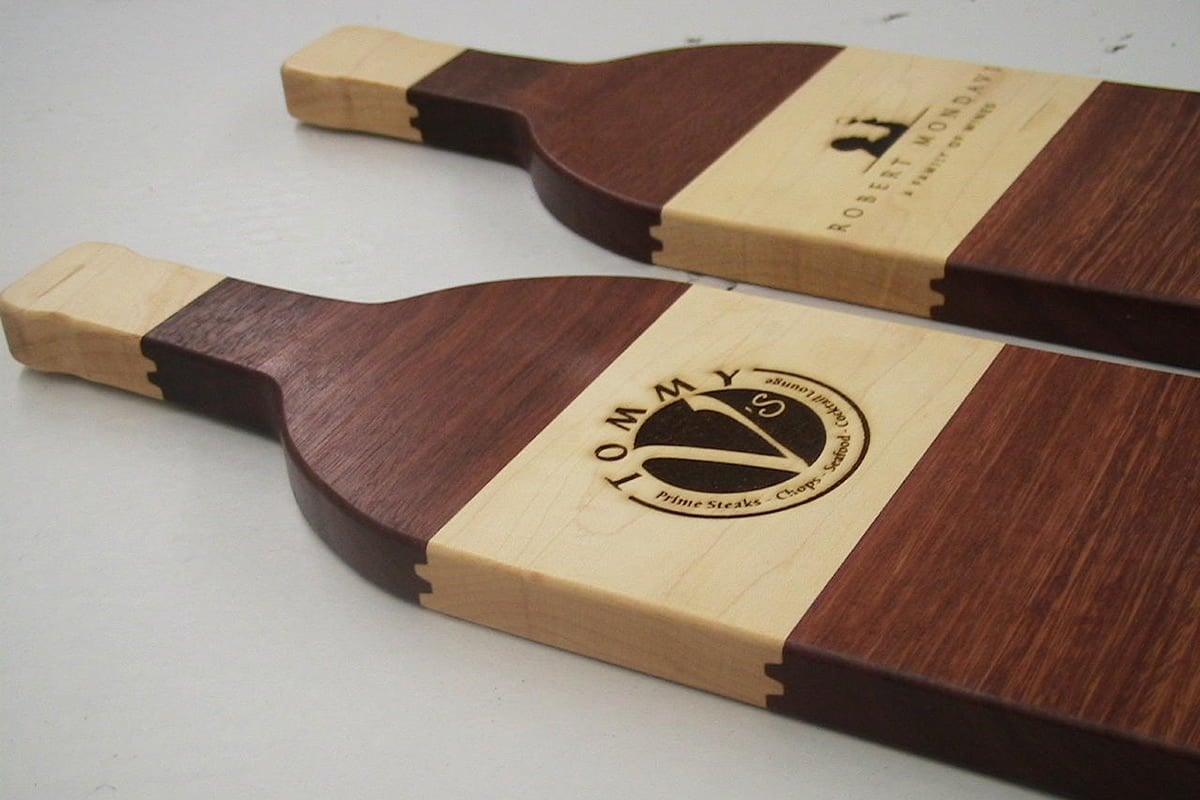
The Cutting Edge: Exploring Laser Cutter Products
In the realm of modern manufacturing and design, laser cutter products have emerged as indispensable tools for precision cutting and engraving. These powerful machines harness the focused energy of a laser beam to cut through various materials with unparalleled accuracy and speed.
One of the key advantages of laser cutter products is their versatility. From intricate designs on wood and acrylic to precise cuts on metal and fabric, these machines can handle a wide range of materials with ease. This flexibility makes them essential in industries such as signage, apparel, electronics, and beyond.
Advanced laser cutter products offer features such as adjustable power settings, variable cutting speeds, and high-resolution scanning capabilities. These functionalities allow users to achieve intricate designs, sharp edges, and smooth finishes with remarkable consistency.
Moreover, the precision of laser cutter products minimizes material waste and reduces the need for post-processing, leading to cost savings and increased efficiency in production processes. Whether creating prototypes, custom signage, or personalized gifts, these machines empower users to bring their ideas to life with unparalleled precision.
As technology continues to evolve, so do laser cutter products. Innovations in software integration, automation, and connectivity are transforming the capabilities of these machines, making them even more accessible and user-friendly for a wide range of applications.
Whether you’re a seasoned professional looking to enhance your workflow or a hobbyist exploring new creative possibilities, laser cutter products offer a world of opportunities at your fingertips. With their cutting-edge technology and endless potential for customization, these machines are poised to shape the future of design and manufacturing for years to come.
Essential FAQs About Laser Cutter Products: Materials, Profitability, and Limitations
- What are 2 disadvantages of laser cutter?
- What materials can be used in a laser cutter?
- What are the best selling laser cut items?
- What products do laser cutters make?
- Is a laser cutter profitable?
- What materials Cannot be cut on a laser cutter?
- How thick of wood can a 100W CO2 laser cut?
What are 2 disadvantages of laser cutter?
When considering laser cutter products, it is important to acknowledge a couple of potential disadvantages. One common drawback is the initial investment required for purchasing a laser cutter, as these machines can be costly upfront. Additionally, operating and maintaining a laser cutter may involve ongoing expenses for consumables such as lenses and gases, as well as periodic maintenance to ensure optimal performance. Despite these considerations, the precision, efficiency, and versatility offered by laser cutter products often outweigh these drawbacks for many users seeking high-quality cutting and engraving solutions.
What materials can be used in a laser cutter?
A frequently asked question regarding laser cutter products is, “What materials can be used in a laser cutter?” Laser cutters are versatile machines capable of cutting and engraving a wide range of materials, including wood, acrylic, leather, paper, fabric, glass, and even certain metals. The key to successful laser cutting lies in understanding the properties of each material and adjusting the settings of the laser cutter accordingly. By selecting the appropriate power levels and cutting speeds, users can achieve precise cuts and intricate designs on various materials, making laser cutters invaluable tools for a diverse array of applications across industries.
What are the best selling laser cut items?
When it comes to the best selling laser cut items, a wide range of products consistently stand out for their popularity and versatility. From personalized jewelry and intricate home decor pieces to custom signage and promotional materials, the demand for laser cut items spans across various industries and consumer preferences. Laser cut wooden ornaments, acrylic keychains, metal art pieces, and leather accessories are among the top sellers due to their unique designs, high-quality finishes, and customizable options that cater to individual tastes and occasions. Whether for personal use or business branding, these best selling laser cut items showcase the limitless creative possibilities that these cutting-edge machines offer.
What products do laser cutters make?
Laser cutters are incredibly versatile tools that can create a wide range of products across various industries. From intricate jewelry pieces and detailed architectural models to personalized signage and custom packaging, laser cutters excel at producing precise cuts and intricate designs on materials such as wood, acrylic, leather, fabric, and metal. In addition to decorative items, laser cutters are also used in manufacturing processes to create components for electronics, automotive parts, medical devices, and more. The possibilities are virtually endless with laser cutters, making them indispensable tools for both professional creators and hobbyists alike.
Is a laser cutter profitable?
The profitability of a laser cutter largely depends on various factors such as initial investment, operating costs, market demand, and utilization. While a laser cutter can be a lucrative investment for businesses that require precision cutting and engraving services, it is essential to conduct thorough research and analysis to determine its profitability in a specific context. Factors like pricing strategy, target market, competition, and operational efficiency play a significant role in determining the financial success of integrating a laser cutter into a business. By carefully considering these factors and developing a strategic approach, businesses can maximize the profitability of their laser cutter investment over time.
What materials Cannot be cut on a laser cutter?
Certain materials are unsuitable for cutting on a laser cutter due to their composition and properties. For instance, materials like PVC and vinyl can release toxic fumes when exposed to the intense heat of a laser beam, posing health hazards. Similarly, reflective surfaces such as metals can reflect the laser beam back into the machine, causing damage to the equipment. Additionally, materials like polycarbonate and fiberglass may produce inconsistent results or emit harmful gases when cut with a laser cutter. It is essential for users to be aware of these limitations and always consult manufacturer guidelines to ensure safe and effective operation of their laser cutting equipment.
How thick of wood can a 100W CO2 laser cut?
One frequently asked question regarding laser cutter products is, “How thick of wood can a 100W CO2 laser cut?” The cutting capability of a 100W CO2 laser on wood typically ranges from 1/8 inch to 1 inch, depending on the type and density of the wood. Thicker and denser woods may require multiple passes or adjustments to the laser settings to achieve clean and precise cuts. It’s essential to consider factors such as material composition, laser power, focal length, and cutting speed when determining the maximum thickness of wood that a 100W CO2 laser can effectively cut.
No Responses