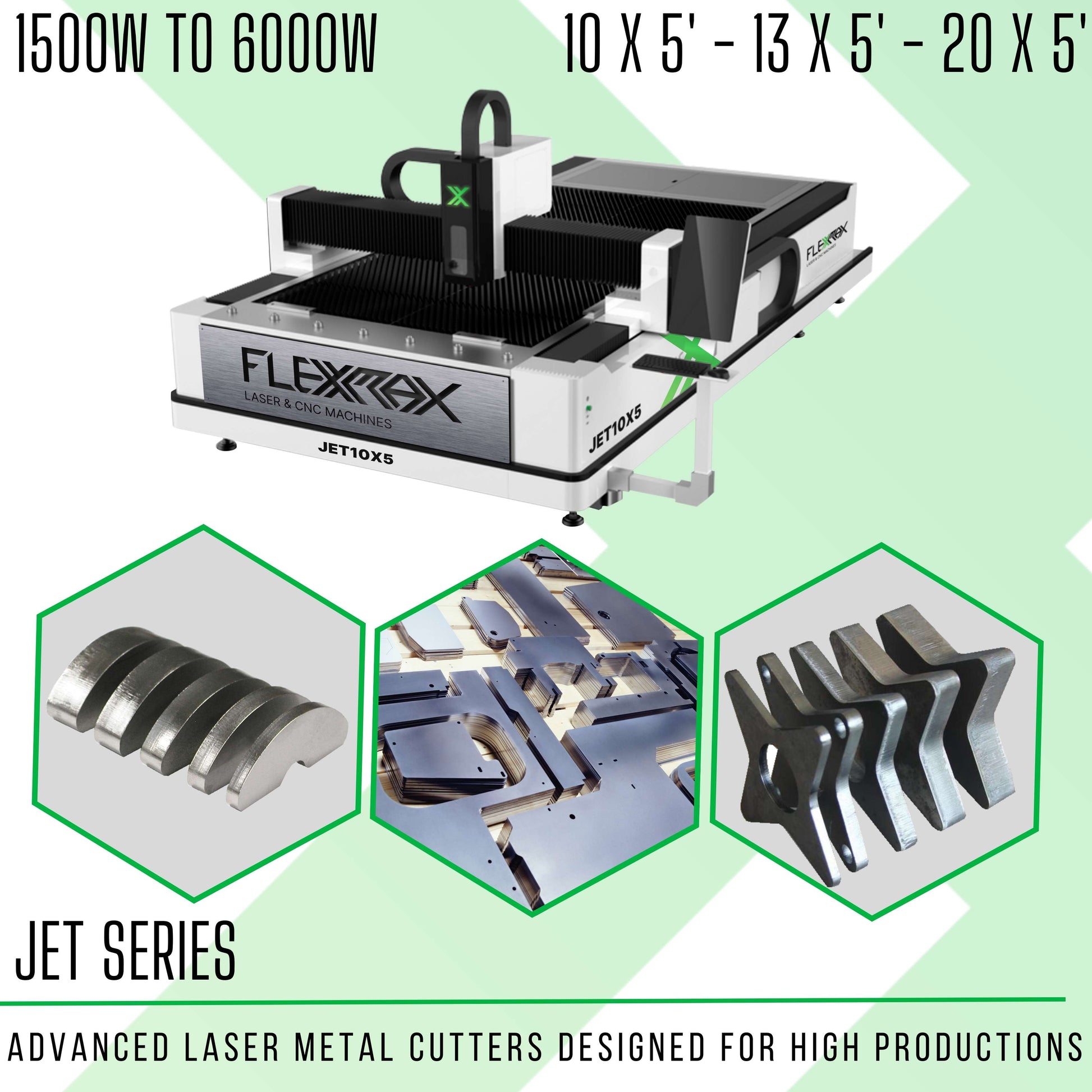
The Cost of Laser Cutting Machines
When it comes to investing in a laser cutting machine, one of the key considerations for businesses is the cost. Laser cutting machines offer precision, speed, and versatility, making them a popular choice for various industries such as manufacturing, automotive, aerospace, and more. However, the cost of these machines can vary depending on several factors.
Factors Affecting the Cost:
- Machine Type: The type of laser cutting machine you choose will greatly impact its cost. CO2 laser cutters are typically more affordable compared to fiber laser cutters which are known for their high-speed cutting capabilities.
- Cutting Capacity: The size and power of the laser cutting machine will also influence its cost. Machines with larger cutting areas and higher power output tend to be more expensive.
- Additional Features: Advanced features such as automatic focusing, rotary attachments for cylindrical objects, and dual lasers can increase the overall cost of the machine.
- Brand and Quality: Well-known brands that offer high-quality machines may come at a premium price compared to lesser-known brands. Investing in a reputable brand can ensure reliability and performance.
- Maintenance and Support: Consider the ongoing maintenance costs and availability of technical support when evaluating the total cost of ownership for a laser cutting machine.
Average Cost Range:
The cost of a basic entry-level desktop CO2 laser cutter can start from around $3,000 to $5,000. On the other hand, industrial-grade fiber laser cutting machines with larger cutting areas and higher power output can range from $20,000 to $200,000 or more depending on specifications.
Conclusion:
Ultimately, the cost of a laser cutting machine is an important investment that should be carefully considered based on your specific needs and budget. By understanding the factors that influence pricing and comparing different options available in the market, businesses can make an informed decision when purchasing a laser cutting machine that meets their requirements while providing long-term value.
7 Cost-Saving Advantages of Investing in a Laser Cutting Machine
- Precision cutting results in minimal material wastage, saving costs on raw materials.
- High cutting speeds increase productivity and efficiency, leading to cost savings on labor.
- Versatility allows for cutting a wide range of materials, reducing the need for multiple machines.
- Low maintenance requirements result in lower ongoing operational costs.
- Automation capabilities reduce the need for manual intervention, saving time and labor costs.
- Scalability options enable businesses to expand their operations without significant additional costs.
- Long-term durability and reliability ensure a high return on investment over time.
5 Hidden Costs of Laser Cutting Machines: What to Consider Before Investing
- High initial investment cost can be a barrier for small businesses or startups.
- Maintenance and repair costs can add up over time, impacting the overall cost of ownership.
- Upgrading to more advanced features or higher power output can significantly increase the cost.
- Training employees to operate the machine effectively may require additional expenses.
- Unexpected downtime due to technical issues can result in lost productivity and revenue.
Precision cutting results in minimal material wastage, saving costs on raw materials.
Precision cutting achieved by laser cutting machines leads to minimal material wastage, ultimately translating into significant cost savings on raw materials. The accuracy and efficiency of laser technology allow for intricate cuts with minimal margin for error, ensuring that each piece is precisely shaped according to the design specifications. This reduction in material wastage not only optimizes resource utilization but also contributes to a more sustainable and cost-effective production process. By minimizing scrap and maximizing material yield, businesses can achieve higher efficiency and profitability while maintaining a commitment to environmental responsibility.
High cutting speeds increase productivity and efficiency, leading to cost savings on labor.
High cutting speeds offered by laser cutting machines significantly enhance productivity and efficiency in manufacturing processes. The ability to swiftly cut through materials translates to faster completion of tasks, reducing production time and increasing output. This boost in efficiency not only streamlines operations but also results in substantial cost savings on labor expenses. By maximizing productivity through rapid cutting speeds, businesses can optimize their resources and improve overall profitability while maintaining high-quality output.
Versatility allows for cutting a wide range of materials, reducing the need for multiple machines.
The versatility of laser cutting machines in handling a wide range of materials is a significant advantage that directly impacts the cost-effectiveness of operations. By being able to cut through various materials such as metals, plastics, wood, and fabrics with precision and efficiency, businesses can streamline their production processes and eliminate the need for multiple specialized machines. This versatility not only saves on equipment costs but also reduces floor space requirements and simplifies workflow management, making laser cutting machines a versatile and cost-efficient solution for diverse manufacturing needs.
Low maintenance requirements result in lower ongoing operational costs.
The low maintenance requirements of laser cutting machines contribute to lower ongoing operational costs, making them a cost-effective solution for businesses. With minimal upkeep needed, such as occasional cleaning and routine checks, companies can save on maintenance expenses and downtime. This advantage allows businesses to focus their resources on maximizing productivity and output, ultimately leading to increased efficiency and profitability in the long run.
Automation capabilities reduce the need for manual intervention, saving time and labor costs.
The automation capabilities of laser cutting machines offer a significant advantage by minimizing the need for manual intervention, leading to savings in both time and labor costs. By streamlining the cutting process through automation, tasks that would typically require manual handling and supervision can be efficiently executed with precision and consistency. This not only increases productivity but also reduces the likelihood of human error, ultimately enhancing operational efficiency and cost-effectiveness for businesses utilizing laser cutting technology.
Scalability options enable businesses to expand their operations without significant additional costs.
Scalability options inherent in laser cutting machines offer businesses the flexibility to expand their operations seamlessly without incurring substantial additional costs. By investing in a laser cutting machine with scalable features, businesses can easily adjust production capacities, accommodate growing demands, and explore new opportunities without the need for significant capital investments. This cost-effective scalability empowers businesses to adapt to market fluctuations and scale their operations efficiently, ultimately enhancing their competitiveness and growth potential in the long run.
Long-term durability and reliability ensure a high return on investment over time.
The long-term durability and reliability of laser cutting machines contribute significantly to a high return on investment over time. By investing in a quality laser cutting machine, businesses can benefit from consistent performance, minimal downtime, and reduced maintenance costs. The robust construction and precision engineering of these machines ensure longevity, allowing companies to maximize their productivity and efficiency for years to come. This reliability translates into higher output, improved product quality, and ultimately, a solid return on investment that continues to grow as the machine proves its worth over time.
High initial investment cost can be a barrier for small businesses or startups.
The high initial investment cost of laser cutting machines can pose a significant barrier for small businesses or startups looking to leverage the benefits of this advanced technology. For many entrepreneurs with limited capital resources, the upfront expense of acquiring a laser cutting machine may be prohibitive, hindering their ability to compete effectively in the market and take advantage of the efficiency and precision that laser cutting offers. This financial obstacle underscores the importance of exploring alternative financing options or seeking out affordable entry-level models to make laser cutting technology more accessible to smaller enterprises striving to innovate and grow.
Maintenance and repair costs can add up over time, impacting the overall cost of ownership.
Maintenance and repair costs can be a significant drawback when considering the overall cost of owning a laser cutting machine. While the initial purchase price is a key consideration, ongoing expenses for regular maintenance, repairs, and replacement parts can accumulate over time, potentially impacting the total cost of ownership. Businesses must factor in these additional costs when budgeting for a laser cutting machine to ensure that they can sustainably manage the expenses associated with keeping the machine in optimal working condition. Failure to account for maintenance and repair costs upfront may lead to unforeseen financial burdens down the line, affecting the long-term viability of utilizing a laser cutting machine for business operations.
Upgrading to more advanced features or higher power output can significantly increase the cost.
When considering the cost of laser cutting machines, one notable drawback is that upgrading to more advanced features or higher power output can substantially raise the overall expense. While these enhancements may offer increased efficiency, precision, and versatility, they often come at a premium price. Businesses looking to invest in cutting-edge technology must weigh the benefits of advanced features against the added cost implications to ensure that the upgrade aligns with their specific needs and budget constraints.
Training employees to operate the machine effectively may require additional expenses.
Training employees to operate a laser cutting machine effectively can be a significant con in terms of cost. Ensuring that staff members have the necessary skills and knowledge to operate the machine safely and efficiently may require investing in specialized training programs or hiring external trainers. Additionally, the time and resources spent on training employees can result in downtime and reduced productivity during the learning curve. This additional expense should be factored into the overall cost of owning and operating a laser cutting machine to ensure that employees can maximize its capabilities while maintaining a safe working environment.
Unexpected downtime due to technical issues can result in lost productivity and revenue.
Unexpected downtime due to technical issues can be a significant con of laser cutting machine cost. When a machine experiences malfunctions or breakdowns, it can lead to delays in production schedules, resulting in lost productivity and revenue for businesses. The time and resources spent on troubleshooting and repairing technical issues can further exacerbate the impact on operations, highlighting the importance of investing in reliable machines with robust maintenance plans to minimize the risk of downtime and ensure continuous workflow efficiency.
No Responses