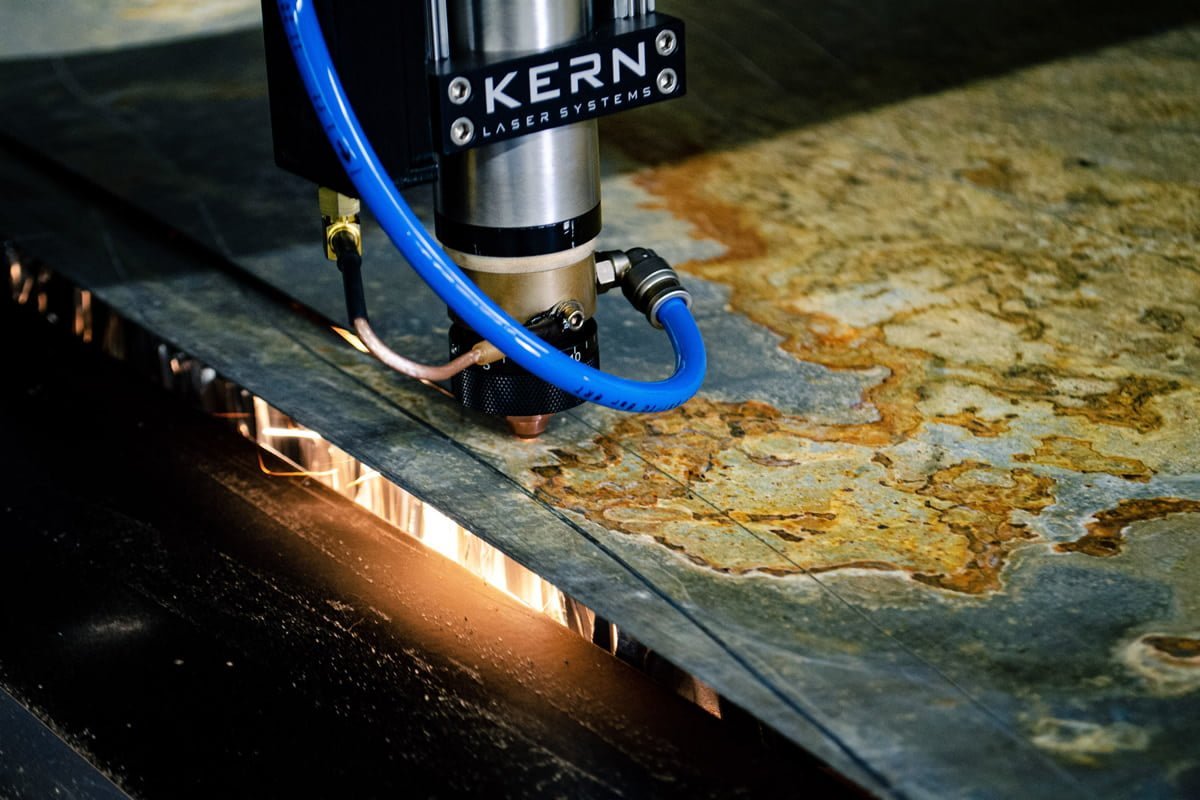
The Power of Steel Laser Cutters
Steel laser cutters have revolutionized the manufacturing industry with their precision and efficiency. These cutting-edge machines use high-powered lasers to cut through steel with incredible accuracy, making them essential tools for a wide range of applications.
One of the key advantages of steel laser cutters is their ability to produce intricate designs and shapes with minimal waste. Traditional cutting methods often result in material loss due to imprecise cuts, but laser cutters can create complex patterns with unmatched precision, maximizing the use of steel and reducing production costs.
Furthermore, steel laser cutters offer fast processing speeds, allowing manufacturers to increase productivity and meet tight deadlines. Whether cutting thin sheets or thick plates, these machines deliver consistent results with high repeatability, ensuring uniformity across multiple parts.
Another benefit of steel laser cutters is their versatility. They can handle a variety of steel types, including carbon steel, stainless steel, and alloy steel, making them suitable for diverse industries such as automotive, aerospace, construction, and electronics. With the ability to cut through different thicknesses and grades of steel, laser cutters provide flexibility for various manufacturing needs.
In addition to their cutting capabilities, steel laser cutters are also known for their clean and precise edges. The heat-affected zone is minimal compared to traditional cutting methods, resulting in smooth edges that require minimal post-processing. This not only enhances the overall quality of the finished product but also reduces production time and costs.
As technology continues to advance, steel laser cutters are becoming increasingly sophisticated and efficient. With features such as automatic material handling systems, real-time monitoring sensors, and advanced software interfaces, these machines offer enhanced performance and ease of operation for manufacturers seeking optimal results.
In conclusion, steel laser cutters represent a significant advancement in the field of metal fabrication. Their precision, speed, versatility, and quality make them indispensable tools for modern manufacturing processes. As industries continue to evolve and demand higher standards of efficiency and accuracy, steel laser cutters will remain at the forefront of innovation.
5 Essential Tips for Safe and Efficient Steel Laser Cutting
- Ensure proper ventilation to remove fumes and smoke generated during cutting.
- Regularly check and maintain the laser cutter’s lenses for optimal performance.
- Use appropriate safety gear such as goggles and gloves when operating the machine.
- Calibrate the laser cutter regularly to ensure accurate cutting results.
- Follow manufacturer’s guidelines for material thickness and cutting speed settings.
Ensure proper ventilation to remove fumes and smoke generated during cutting.
Ensuring proper ventilation is crucial when operating a steel laser cutter to effectively remove fumes and smoke generated during the cutting process. These byproducts can be hazardous to health and safety if not adequately ventilated. Proper ventilation not only maintains a safe working environment for operators but also helps prevent potential damage to the machine and ensures optimal cutting performance. Implementing a robust ventilation system will promote air quality, reduce the risk of exposure to harmful emissions, and contribute to a more efficient and productive work environment when using a steel laser cutter.
Regularly check and maintain the laser cutter’s lenses for optimal performance.
Regularly checking and maintaining the lenses of your steel laser cutter is essential for ensuring optimal performance. Over time, dust, debris, or residue can accumulate on the lenses, affecting the quality of the laser beam and ultimately impacting the precision of cuts. By keeping the lenses clean and in good condition, you can maximize the efficiency and effectiveness of your laser cutter, resulting in consistently high-quality cuts and minimizing the need for rework or repairs. Taking the time to inspect and care for the lenses will not only prolong their lifespan but also contribute to achieving superior results in your metal fabrication projects.
Use appropriate safety gear such as goggles and gloves when operating the machine.
When operating a steel laser cutter, it is crucial to prioritize safety by using appropriate protective gear such as goggles and gloves. The high-powered lasers used in these machines can pose potential risks to the eyes and skin, making it essential to shield yourself from any harmful exposure. Goggles protect your eyes from intense light and potential debris, while gloves provide a barrier against heat and sharp edges. By wearing the proper safety equipment, operators can minimize the risk of accidents and ensure a safe working environment when using a steel laser cutter.
Calibrate the laser cutter regularly to ensure accurate cutting results.
Regular calibration of the laser cutter is essential to maintain precise cutting results when working with steel. By calibrating the machine on a consistent basis, operators can ensure that the laser beam remains aligned and focused, leading to accurate cuts with minimal errors. This proactive approach not only enhances the quality of the finished products but also prolongs the lifespan of the equipment by preventing premature wear and tear. Investing time in calibration ultimately pays off in improved efficiency, reduced material waste, and overall cost savings in steel cutting operations.
Follow manufacturer’s guidelines for material thickness and cutting speed settings.
To ensure optimal performance and precision when using a steel laser cutter, it is essential to follow the manufacturer’s guidelines for material thickness and cutting speed settings. These guidelines are designed to maximize efficiency and quality by providing recommended parameters that align with the capabilities of the machine. By adhering to these specifications, operators can achieve accurate cuts, minimize material waste, and prolong the lifespan of the equipment. Failure to follow the manufacturer’s guidelines may result in subpar results, increased maintenance requirements, and potential safety risks. Therefore, it is crucial to prioritize compliance with recommended settings for material thickness and cutting speed to fully leverage the capabilities of a steel laser cutter.
No Responses