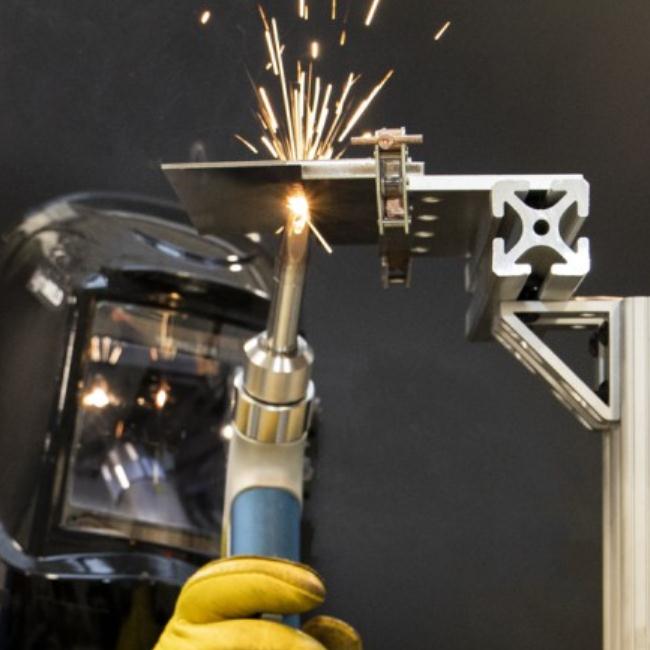
Handheld Laser Cutter for Metal: Revolutionizing Fabrication
In the realm of metal fabrication, precision and efficiency are paramount. The advent of handheld laser cutters has transformed the way metalworkers approach their craft, offering a level of versatility and accuracy that was once unimaginable.
Unlike traditional cutting tools that rely on physical blades or bits, handheld laser cutters utilize focused beams of light to slice through metal with incredible speed and precision. This technology allows for intricate designs and complex shapes to be effortlessly created, opening up a world of possibilities for artisans and manufacturers alike.
One of the key advantages of handheld laser cutters is their portability. No longer confined to bulky machinery or stationary workstations, metalworkers can now bring the power of laser cutting directly to the job site. This flexibility not only saves time but also enables on-the-fly adjustments and modifications, enhancing workflow efficiency.
Furthermore, handheld laser cutters are incredibly user-friendly, making them accessible to both seasoned professionals and beginners. With intuitive controls and ergonomic designs, operators can quickly master the art of laser cutting without extensive training or experience.
From automotive parts to intricate jewelry pieces, the applications of handheld laser cutters in metal fabrication are virtually limitless. Whether you’re a hobbyist looking to unleash your creativity or a professional seeking to streamline production processes, a handheld laser cutter is a powerful tool that can elevate your work to new heights.
As technology continues to advance, handheld laser cutters will undoubtedly play a pivotal role in shaping the future of metal fabrication. With their unparalleled precision, portability, and ease of use, these innovative devices are revolutionizing the way we think about cutting metal – one beam at a time.
Essential FAQs About Handheld Laser Cutters for Metal: Everything You Need to Know
- Do handheld laser cutters exist?
- Which laser cutter can cut metal?
- Can a home laser cutter cut metal?
- How powerful does a laser need to be to cut metal?
- What cannot be cut with a laser cutter?
- How much does a metal laser cutter cost?
- What type of laser is best for cutting through metal?
Do handheld laser cutters exist?
Yes, handheld laser cutters for metal do indeed exist. These innovative devices have revolutionized the field of metal fabrication by offering a portable, user-friendly solution for cutting through various metals with precision and efficiency. Handheld laser cutters utilize focused beams of light to slice through metal, enabling users to create intricate designs and shapes with ease. Their compact design and intuitive controls make them accessible to both professionals and hobbyists, providing a versatile tool that can be used in a wide range of applications. The existence of handheld laser cutters has opened up new possibilities in metalworking, allowing for greater flexibility and creativity in the fabrication process.
Which laser cutter can cut metal?
When it comes to cutting metal, laser cutters are the go-to choice for achieving precise and clean cuts. Among the various types of laser cutters available, fiber laser cutters stand out as the most efficient and effective option for cutting through metal materials. Equipped with high-powered fiber lasers, these machines can effortlessly slice through a wide range of metals, including stainless steel, aluminum, copper, and more. Their ability to deliver fast cutting speeds and exceptional accuracy makes fiber laser cutters the preferred choice for industrial applications and metalworking projects that demand superior results.
Can a home laser cutter cut metal?
The question “Can a home laser cutter cut metal?” is a common inquiry among DIY enthusiasts and hobbyists looking to expand their crafting capabilities. While traditional home laser cutters are typically designed for cutting materials like wood, acrylic, and paper, specialized handheld laser cutters equipped with high-powered lasers can indeed cut through thin metal sheets with precision. These advanced devices offer a convenient and compact solution for metal cutting tasks, allowing users to create intricate designs and prototypes right in the comfort of their own homes. However, it’s important to note that the thickness and type of metal that can be effectively cut by a home laser cutter may be limited compared to industrial-grade machines.
How powerful does a laser need to be to cut metal?
The power of a laser required to cut metal depends on various factors such as the type of metal, its thickness, and the desired cutting speed. In general, cutting through thicker or denser metals like steel or titanium requires a higher-powered laser compared to thinner metals like aluminum or copper. A laser cutter’s wattage typically ranges from 200 watts for thin materials to over 1000 watts for thick metals. It’s essential to consider not just the power level but also the beam quality and focus capability of the laser to achieve clean and precise cuts in metal fabrication processes.
What cannot be cut with a laser cutter?
When it comes to the capabilities of a handheld laser cutter for metal, it’s important to note that while these devices are incredibly versatile and precise, there are certain materials that cannot be cut effectively with a laser beam. Materials such as reflective metals like copper and aluminum can pose challenges due to their high reflectivity, which can cause the laser beam to bounce off rather than penetrate the surface. Similarly, materials like polycarbonate and PVC emit toxic fumes when exposed to high temperatures, making them unsuitable for laser cutting. Understanding the limitations of a laser cutter is crucial in ensuring optimal results and safety in metal fabrication processes.
How much does a metal laser cutter cost?
The cost of a metal laser cutter can vary significantly depending on various factors such as the power and capabilities of the machine, brand reputation, and additional features included. Entry-level handheld laser cutters for metal can start at around $2,000 to $5,000, while more advanced models with higher power output and precision features can range from $10,000 to $50,000 or more. It’s essential to consider not only the initial purchase price but also ongoing maintenance costs and potential upgrades to ensure that you invest in a machine that meets your specific needs and budget constraints.
What type of laser is best for cutting through metal?
When it comes to cutting through metal using a handheld laser cutter, the type of laser that is considered best is typically a fiber laser. Fiber lasers are renowned for their exceptional cutting capabilities on various metals, including stainless steel, aluminum, and carbon steel. These lasers offer high energy efficiency, precise beam quality, and low maintenance requirements, making them ideal for achieving clean cuts with minimal heat-affected zones. Additionally, fiber lasers provide superior speed and accuracy, making them a popular choice among metal fabricators seeking optimal performance and reliability in their cutting operations.
No Responses