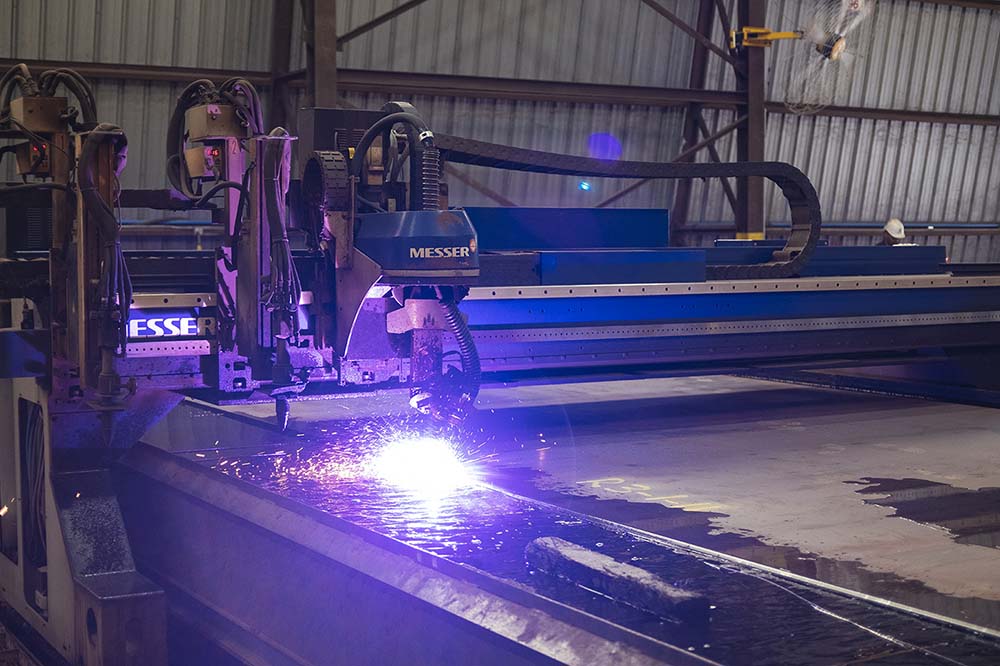
The Power of Plasma Laser Cutting Machines
Plasma laser cutting machines are revolutionizing the world of metal fabrication with their precision, speed, and versatility. These cutting-edge machines use a high-velocity jet of ionized gas (plasma) to cut through electrically conductive materials such as steel, aluminum, copper, and brass with incredible accuracy.
One of the key advantages of plasma laser cutting machines is their ability to produce clean, burr-free cuts on a wide range of materials and thicknesses. Whether you’re working on thin sheets or thick plates, a plasma laser cutter can deliver smooth edges and intricate shapes with minimal heat-affected zones.
Another benefit of plasma laser cutting machines is their high cutting speed. Compared to traditional cutting methods, such as sawing or shearing, plasma cutting can significantly reduce production time and increase efficiency. This rapid cutting speed makes plasma laser cutters ideal for large-scale manufacturing operations that require quick turnaround times.
Furthermore, plasma laser cutting machines offer exceptional precision and repeatability. With advanced CNC controls and software integration, operators can program intricate designs and patterns with ease. This level of precision ensures consistent quality across multiple parts and minimizes material waste.
Additionally, plasma laser cutting machines are highly versatile tools that can handle a variety of applications. From creating custom metal parts for automotive industries to fabricating intricate artwork for architectural projects, the possibilities are endless with a plasma cutter at your disposal.
In conclusion, plasma laser cutting machines represent the pinnacle of modern metal fabrication technology. Their combination of precision, speed, and versatility makes them indispensable tools for industries that demand high-quality cuts and efficient production processes. Whether you’re a seasoned fabricator or a novice craftsman, investing in a plasma laser cutter can elevate your work to new heights.
Essential Safety and Maintenance Tips for Optimal Plasma Laser Cutting
- Ensure proper ventilation when operating the plasma laser cutting machine to remove fumes and gases.
- Regularly inspect and maintain the machine’s components to ensure optimal performance.
- Wear appropriate personal protective equipment, such as safety glasses and gloves, when using the machine.
- Follow all safety guidelines provided by the manufacturer to prevent accidents or injuries.
- Adjust the cutting parameters based on the material being cut for precise and efficient results.
- Clean the work area regularly to prevent debris buildup that can affect cutting quality.
- Properly ground the machine to reduce the risk of electric shock during operation.
- Train operators thoroughly on how to use the plasma laser cutting machine safely and effectively.
Ensure proper ventilation when operating the plasma laser cutting machine to remove fumes and gases.
When operating a plasma laser cutting machine, it is crucial to ensure proper ventilation to effectively remove fumes and gases generated during the cutting process. Adequate ventilation not only helps maintain a safe working environment for operators but also prevents the buildup of harmful substances that can pose health risks. By implementing proper ventilation systems and following recommended safety protocols, users can minimize exposure to potentially hazardous fumes and gases, ensuring a healthier and more productive workspace.
Regularly inspect and maintain the machine’s components to ensure optimal performance.
Regularly inspecting and maintaining the components of your plasma laser cutting machine is crucial to ensure its optimal performance and longevity. By conducting routine checks and addressing any issues promptly, you can prevent potential breakdowns, minimize downtime, and extend the lifespan of your machine. Paying attention to details such as cleanliness, lubrication, and calibration can make a significant difference in the precision and efficiency of your cuts. Investing time in maintenance not only enhances the performance of your plasma laser cutting machine but also safeguards your investment for years to come.
Wear appropriate personal protective equipment, such as safety glasses and gloves, when using the machine.
It is crucial to prioritize safety when operating a plasma laser cutting machine. To protect yourself from potential hazards, always wear appropriate personal protective equipment, such as safety glasses and gloves. Safety glasses shield your eyes from flying debris and intense light emitted during the cutting process, while gloves provide protection against heat and sharp edges. By wearing the right gear, you can ensure a safe working environment and minimize the risk of injuries while operating the machine.
Follow all safety guidelines provided by the manufacturer to prevent accidents or injuries.
It is crucial to follow all safety guidelines provided by the manufacturer when operating a plasma laser cutting machine to prevent accidents or injuries. These guidelines are designed to ensure the safe and proper use of the machine, protecting both the operator and those in the vicinity. By adhering to these safety protocols, you can minimize risks and create a secure working environment, allowing you to harness the full potential of the plasma laser cutting machine effectively and without compromise.
Adjust the cutting parameters based on the material being cut for precise and efficient results.
To achieve precise and efficient results with a plasma laser cutting machine, it is crucial to adjust the cutting parameters according to the material being cut. By fine-tuning factors such as cutting speed, power level, gas flow rate, and nozzle size based on the specific characteristics of the material, operators can optimize the cutting process for superior accuracy and productivity. This attention to detail ensures that each cut is clean, smooth, and free of imperfections, ultimately enhancing the overall quality of the finished product.
Clean the work area regularly to prevent debris buildup that can affect cutting quality.
Regularly cleaning the work area of your plasma laser cutting machine is essential to maintaining optimal cutting quality. By removing debris buildup, such as metal shavings and dust, you can prevent interference with the cutting process and ensure smooth, precise cuts. A clean work area not only promotes better cutting results but also prolongs the lifespan of your machine by reducing wear and tear on components. Make it a routine to clear away debris before each cutting session to maximize the performance and efficiency of your plasma laser cutter.
Properly ground the machine to reduce the risk of electric shock during operation.
To ensure safe operation of a plasma laser cutting machine, it is crucial to properly ground the equipment. By establishing a solid electrical connection to the ground, you significantly reduce the risk of electric shock during operation. Grounding the machine helps dissipate any excess electrical charge and prevents potential hazards that could arise from electrical malfunctions. Prioritizing proper grounding not only enhances the safety of operators but also safeguards the integrity and longevity of the equipment, making it a fundamental practice in maintaining a secure working environment.
Train operators thoroughly on how to use the plasma laser cutting machine safely and effectively.
To ensure safe and effective operation of a plasma laser cutting machine, it is crucial to thoroughly train operators on its usage. Proper training not only enhances safety protocols but also maximizes the machine’s efficiency and performance. By providing comprehensive training sessions that cover operating procedures, safety precautions, maintenance guidelines, and troubleshooting techniques, operators can confidently handle the plasma laser cutting machine with precision and care. Investing in thorough operator training is a proactive step towards promoting a secure working environment and achieving optimal results in metal fabrication processes.
No Responses