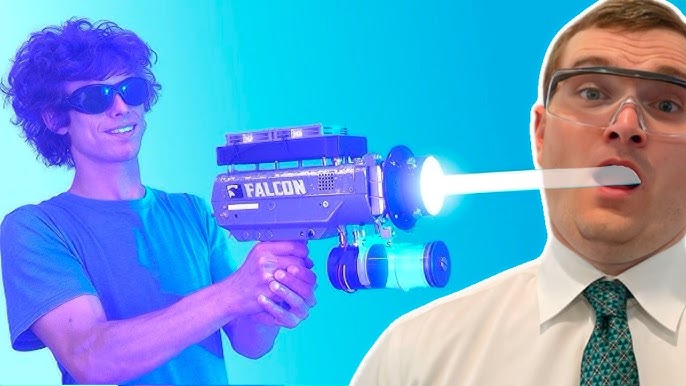
The Role of a Laser Engineer in Advanced Technology
As technology continues to advance at a rapid pace, the role of a laser engineer has become increasingly crucial in various industries. Laser engineers are highly skilled professionals who specialize in the design, development, and implementation of laser systems for a wide range of applications.
One of the key responsibilities of a laser engineer is to research and innovate new laser technologies that can be used in fields such as manufacturing, healthcare, telecommunications, and defense. They work on creating cutting-edge laser systems that are not only efficient and precise but also safe to use.
Furthermore, laser engineers play a vital role in optimizing existing laser technologies to improve performance and reliability. They conduct thorough testing and analysis to ensure that laser systems meet industry standards and regulatory requirements.
In addition to designing and developing laser systems, laser engineers are also involved in troubleshooting technical issues and providing solutions to enhance the functionality of lasers. Their expertise is essential in addressing complex problems and ensuring that laser technology operates at its full potential.
Overall, the work of a laser engineer is integral to driving innovation and progress in various industries where precision, efficiency, and reliability are paramount. Their contributions continue to shape the future of technology by harnessing the power of lasers for diverse applications.
Mastering Laser Engineering: 7 Essential Tips for Success
- Understand the principles of optics and laser technology
- Stay updated with the latest advancements in laser engineering
- Practice safety measures when working with lasers
- Develop strong analytical and problem-solving skills
- Gain hands-on experience through internships or research projects
- Collaborate with other professionals in related fields for interdisciplinary projects
- Consider pursuing advanced degrees for career advancement
Understand the principles of optics and laser technology
To excel as a laser engineer, it is crucial to have a deep understanding of the principles of optics and laser technology. Mastery of these fundamental concepts allows engineers to design and optimize laser systems with precision and efficiency. By grasping the intricacies of how light behaves and interacts with materials, laser engineers can develop innovative solutions that push the boundaries of what is possible in various industries. A strong foundation in optics and laser technology serves as the cornerstone for creating cutting-edge technologies that drive progress and innovation forward.
Stay updated with the latest advancements in laser engineering
To excel as a laser engineer, it is essential to stay updated with the latest advancements in laser engineering. Keeping abreast of cutting-edge technologies and emerging trends in the field not only enhances one’s knowledge but also ensures the ability to innovate and adapt to new challenges. By staying informed about the latest developments, laser engineers can leverage new tools, techniques, and methodologies to push the boundaries of what is possible with laser technology, ultimately contributing to advancements in various industries and applications.
Practice safety measures when working with lasers
When working as a laser engineer, it is paramount to practice stringent safety measures to ensure the well-being of yourself and those around you. Laser technology, while powerful and precise, can also pose potential risks if not handled properly. Always wear appropriate protective gear, follow established safety protocols, and be mindful of laser classifications and radiation hazards. By prioritizing safety in your work with lasers, you can mitigate risks and create a secure environment for conducting research, development, and implementation of laser systems.
Develop strong analytical and problem-solving skills
Developing strong analytical and problem-solving skills is essential for a laser engineer to excel in their role. Laser engineers often encounter complex technical challenges that require a systematic approach to identify issues, analyze data, and devise effective solutions. By honing their analytical abilities, laser engineers can efficiently troubleshoot problems, optimize laser systems, and innovate new technologies that push the boundaries of what is possible in the field of laser engineering. These skills not only enhance the engineer’s ability to address technical issues but also contribute to their overall effectiveness in driving advancements in laser technology.
Gain hands-on experience through internships or research projects
Gaining hands-on experience through internships or research projects is a valuable tip for aspiring laser engineers. By immersing themselves in real-world settings, students can apply theoretical knowledge to practical situations, honing their skills and understanding of laser technology. Internships and research projects provide opportunities to work alongside experienced professionals, tackle challenging problems, and gain insight into the latest developments in the field. This hands-on experience not only enhances technical abilities but also fosters critical thinking, problem-solving, and teamwork skills essential for a successful career as a laser engineer.
Collaborate with other professionals in related fields for interdisciplinary projects
Collaboration with professionals in related fields is a valuable tip for laser engineers looking to engage in interdisciplinary projects. By working with experts from diverse backgrounds such as optics, materials science, and electronics, laser engineers can leverage a range of perspectives and skill sets to tackle complex challenges and drive innovation. This collaborative approach not only fosters creativity and knowledge-sharing but also leads to the development of more robust and holistic solutions that push the boundaries of laser technology across various industries.
Consider pursuing advanced degrees for career advancement
For laser engineers looking to advance their careers, considering pursuing advanced degrees can open up new opportunities and enhance their expertise in the field. Obtaining a master’s or doctoral degree in laser engineering or a related discipline can provide specialized knowledge, research experience, and advanced skills that can set them apart in the competitive job market. Advanced degrees not only demonstrate a commitment to continuous learning and professional growth but also equip laser engineers with the tools needed to tackle complex challenges and lead innovative projects in the ever-evolving landscape of laser technology.
No Responses